Bondi’s Epstein Testimony Fight: Justice or Cover-Up?
Former AG Pam Bondi faces a renewed push for testimony regarding the Jeffrey Epstein files, with Democrats threatening contempt charges. Her refusal to appear for a deposition has drawn criticism from both parties, highlighting ongoing debates about accountability and transparency in high-profile investigations.

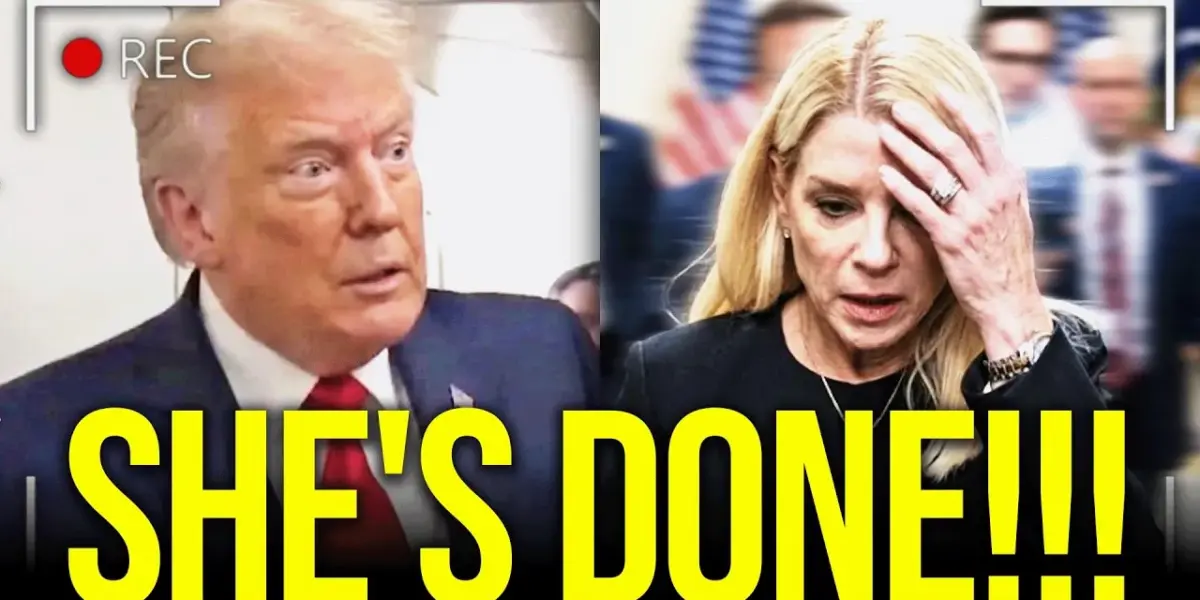
Bondi’s Epstein Testimony Fight: Justice or Cover-Up?
Former Florida Attorney General Pam Bondi is at the center of a growing controversy regarding her potential testimony about the Jeffrey Epstein files. Democrats on a House committee are pushing hard for her to testify, even threatening contempt charges if she refuses. This situation highlights a larger debate about accountability and transparency, especially when powerful figures are involved.
The Push for Testimony
Robert Garcia, a top Democrat on the committee, has made it clear that Bondi must testify, regardless of her current title. A subpoena was issued for her to appear for a deposition on April 14th. However, Bondi has not shown up, leading to a second subpoena and increased pressure. This refusal to appear has drawn sharp criticism from various corners, including Republican Representative Nancy Mace.
Mace has been a vocal critic of the handling of the Epstein files and Bondi’s role. Her office stated that Bondi cannot simply avoid accountability because she no longer holds public office. The subpoena was for Bondi by name, not by her official title. The committee plans to reschedule her deposition, emphasizing that the American people deserve answers.
The committee will contact Pam Bondi’s personal counsel to discuss next steps regarding scheduling her deposition.
Questions About the Files
The core of this issue lies in what Pam Bondi might know about the Epstein files. These documents, related to the wealthy financier Jeffrey Epstein’s sex trafficking crimes, have remained a subject of intense public interest. Many believe the files contain information that could implicate powerful individuals, and there is a strong desire to uncover the full truth.
Thomas Massie, a Republican congressman, has suggested that Bondi might have initially been willing to release the files but was later pressured to conceal information. He raised questions about who might have influenced her to cover up aspects of the case. This perspective suggests a potential political motivation behind the resistance to transparency.
Historical Context
Jeffrey Epstein’s crimes and the subsequent investigation have cast a long shadow. The handling of his case and the release of related documents have been fraught with controversy for years. Previous efforts to gain full transparency have often met with resistance, leading to public frustration.
The Epstein files themselves are part of a broader discussion about justice for victims and the accountability of those who enabled or benefited from Epstein’s actions. The debate over Bondi’s testimony is not happening in a vacuum; it is part of a continuing effort to ensure that all relevant information sees the light of day.
The Justice Department’s Role
Adding another layer to the situation, the Justice Department has reportedly intervened, suggesting that Bondi should not have to appear because she is no longer the Attorney General. This stance has been met with skepticism, particularly from Nancy Mace. She argues that the Justice Department is trying to shield Bondi from testifying, which raises questions about their commitment to transparency in this matter.
Mace, teaming up with Democrats, has pointed out that the Justice Department has not fully complied with the Epstein Transparency Act. This suggests a potential conflict between the desire for public disclosure and the actions of government agencies tasked with managing such sensitive information.
A Shifting Political Landscape
The involvement of figures like Nancy Mace, a Republican, in challenging the actions of a former Trump administration appointee is notable. It suggests a potential shift within the Republican party, where some members are showing a willingness to go against Trump-aligned figures. This could indicate a growing desire for accountability that transcends party lines, or it could be a strategic move in a complex political environment.
The presenter of the original video commentary notes that this type of bipartisan cooperation on issues like this is a sign that the political landscape is changing. He views it as a positive development, suggesting that even within a strong party base, there can be room for independent action and a pursuit of truth.
Accountability and the Future
The central question remains whether Pam Bondi will be compelled to testify and what she might reveal. The legal and political battles surrounding her deposition highlight the challenges in obtaining testimony from former officials. The outcome could have significant implications for how future investigations involving high-profile individuals are handled.
The public’s demand for answers in the Epstein case is strong. The efforts to subpoena Bondi reflect a belief that accountability is essential, especially in cases involving serious allegations and potential cover-ups. The coming days will likely bring more developments as the committee works to schedule Bondi’s deposition and the Justice Department navigates its role.
Why This Matters
This situation is important because it touches on fundamental principles of justice and government accountability. When individuals who may have crucial information about serious crimes resist or are shielded from testifying, it erodes public trust. The Epstein case, in particular, has captured widespread attention due to the nature of the crimes and the alleged involvement of influential people.
The ongoing efforts to secure Pam Bondi’s testimony underscore the public’s desire to understand the full scope of the Epstein scandal. It also raises questions about the influence of political power and the potential for it to obstruct justice. The outcome of this legal and political struggle will send a message about whether powerful individuals can be held accountable for their actions or their knowledge of wrongdoing.
Implications and Outlook
If Bondi is forced to testify, her deposition could shed new light on the handling of the Epstein files and potentially reveal more about the individuals connected to him. This could lead to further investigations or legal actions. Conversely, if she successfully avoids testimony, it might be seen as a victory for those who wish to keep certain information private, potentially fueling further public suspicion.
The trend of increased scrutiny on high-profile cases and the push for transparency are likely to continue. As more information about past events comes to light, the public’s expectation for accountability from both government officials and private citizens will likely grow. The way this specific situation with Pam Bondi is resolved will be a key indicator of future trends in political and legal accountability.
Source: Pam Bondi FLEES after THREAT OF JAIL?! (YouTube)

Related Articles


Melania Trump Statement on Epstein: Ex-Official Details Planning, Independence
Former Melania Trump official Stephanie Grisham discusses the former First Lady's carefully planned statement on Jeffrey Epstein, highlighting Mrs. Trump's independent nature and meticulous approach to public communication. Grisham expresses skepticism about President Trump's alleged unawareness of the statement's details.


Melania Trump’s Epstein Statement Stuns Democrats, Raises New Questions
Melania Trump's unexpected statement on the Jeffrey Epstein case has drawn criticism from Democrats, who question its timing and her claims of no prior knowledge. Congressman Robert Garcia called the announcement "bizarre" and suggested the former First Lady could help by pushing for the release of remaining Epstein files. The discussion also covers calls for Congressman Eric Swalwell to withdraw from the governor's race amid sexual misconduct allegations.

Trump’s Pardon Promises Fuel Lawlessness Fears
Donald Trump's controversial promise to pardon those near the Oval Office raises alarms about encouraging lawlessness. Legal experts warn that while pardons have limits, such statements signal a disregard for legal principles and could embolden supporters to engage in questionable activities, believing they will be shielded from consequences.