US Demands Iran Reopen Hormuz Strait for Peace Deal
The United States is demanding Iran fully reopen the critical Strait of Hormuz as part of a new ceasefire agreement. While early signs suggest the waterway is beginning to open, global shipping operators remain cautious about resuming normal operations due to security concerns. This demand underscores the strait's vital role in global energy supply.

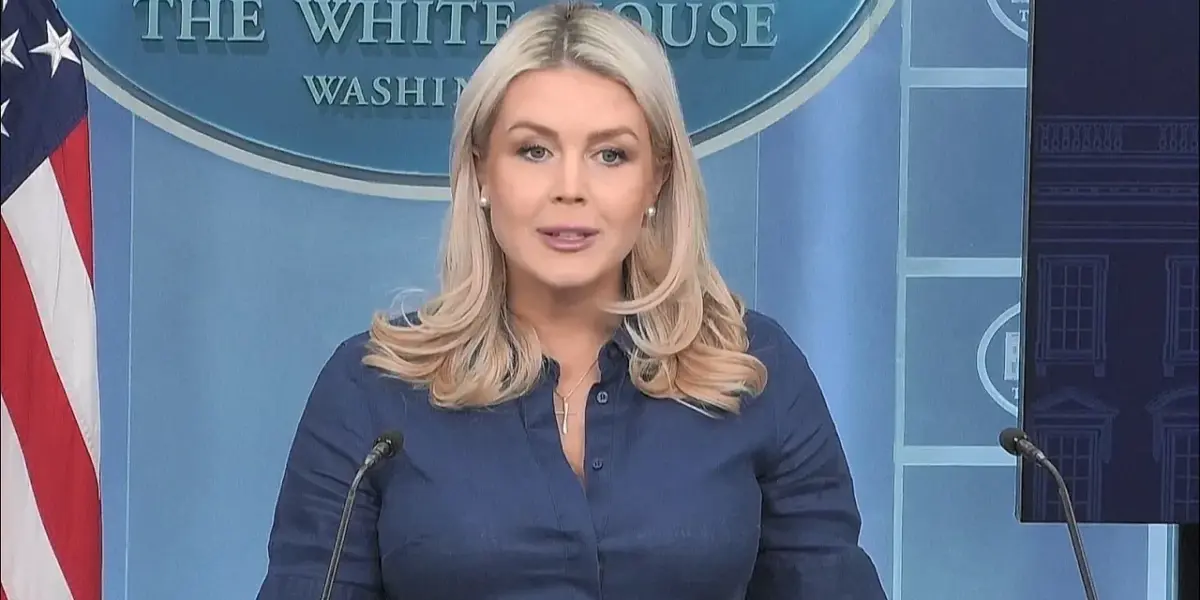
US Demands Iran Reopen Hormuz Strait for Peace Deal
The United States has made a significant demand as part of a new ceasefire agreement: Iran must fully reopen the Strait of Hormuz. This vital waterway is a critical shipping route, and its closure has caused major disruptions. Early signs suggest the strait is already beginning to open, with the first ships reportedly passing through.
A Crucial Waterway
White House Press Secretary Caroline Levid emphasized the importance of reopening the Strait of Hormuz, calling it a key condition of the ceasefire. President Trump also took to social media, stating that the U.S. would help manage any traffic buildup in the strait. He even suggested this could usher in a “golden age” for the Middle East.
“This ceasefire is subject to the free, safe, and immediate reopening of the Strait of Hormuz.”
According to ABC News, the President is considering a joint venture with Iran to manage ships passing through the strait, potentially charging tolls. Levid confirmed this idea has been discussed and will continue to be explored over the next two weeks. However, the immediate goal remains the complete reopening of the strait without any restrictions, including tolls.
Signs of Reopening
Data from tracking services shows that the Strait of Hormuz is indeed starting to reopen. Marine Traffic posted footage on Wednesday showing vessels flagged by Greece and Liberia successfully navigating the passage. International efforts are underway to ensure the complete and safe reopening of this crucial chokepoint.
British Prime Minister Keir Starmer visited Saudi Arabia, stating that it is their job to work with regional partners. This collaboration aims not only to stop the fighting but also to reopen the strait. Starmer also met with representatives from the British shipping sector, who expressed concerns about safety.
“In order for them to feel safe to move through the Strait of Hormuz, they need to know there are diplomatic and political confidence behind what they’re doing. We’re here to build that.”
Cautious Optimism
While the ceasefire is welcomed, many global shipping operators remain cautious. A spokesman for the German government acknowledged the ceasefire but warned that a return to normal will take time. Reopening the Strait of Hormuz will not instantly restore the situation to its previous state; shipping levels are expected to take a while to return to pre-war numbers.
Even major shipping companies like Maersk see potential opportunities from the ceasefire. However, they also stated that the current security situation does not yet provide enough certainty to resume normal operations. The path to a fully functional and secure Strait of Hormuz is still being paved.
Why This Matters
The Strait of Hormuz is one of the world’s most important oil transit points. Roughly 20-30% of the world’s oil supply passes through it daily. Any disruption here can cause significant price spikes and supply shortages globally. The U.S. demand for its reopening is therefore not just a regional issue but a global economic necessity.
Historical Context
The Strait of Hormuz has been a point of tension for decades. Its strategic location between Iran and Oman makes it vulnerable to blockades or military action. In recent years, tensions between the U.S. and Iran have often led to fears of the strait being closed, impacting global energy markets.
Trends and Future Outlook
This event highlights a broader trend of using economic and diplomatic leverage to achieve peace. The demand for the strait’s reopening as part of a ceasefire shows the interconnectedness of global trade and international security. While optimistic, the cautious approach from shipping companies suggests that rebuilding trust and ensuring consistent security will be crucial. The future likely involves continued diplomatic efforts to guarantee safe passage, potentially with international oversight, to prevent future disruptions and ensure global energy stability.
Source: US Demands Iran Fully Reopen Hormuz Strait as Part of Ceasefire (YouTube)

Related Articles
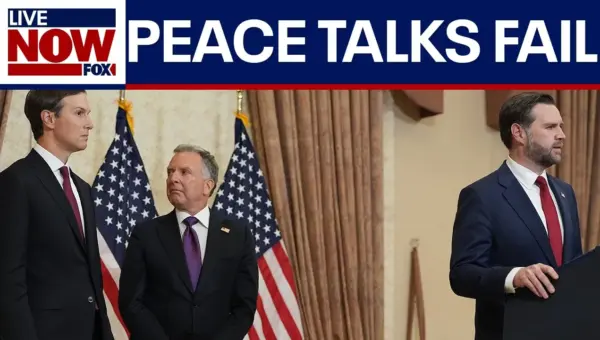
US-Iran Nuclear Talks Collapse; Ceasefire Remains Fragile
U.S. and Iran ceasefire talks in Pakistan have ended without an agreement after 21 hours, with both sides blaming each other. Key sticking points included Iran's nuclear program and its refusal to accept American terms. The fragile two-week ceasefire remains in place, but regional tensions are high.

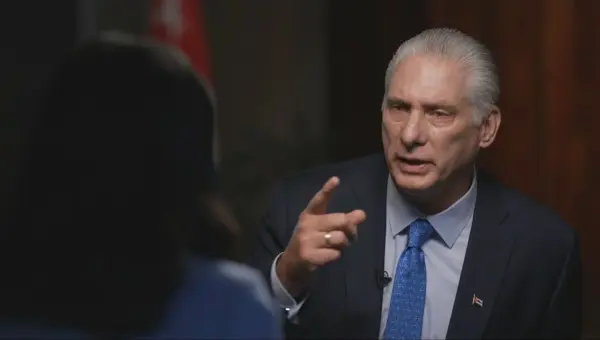
Cuba Vows Fierce Resistance to U.S. Invasion Threats
Cuban President Miguel Díaz-Canel issued a strong warning against U.S. invasion, vowing fierce resistance and sacrifice. He highlighted Cuba's resilience under a decades-long blockade, rejected narratives of collapse, and detailed the nation's defensive strategies and efforts to overcome economic hardship.

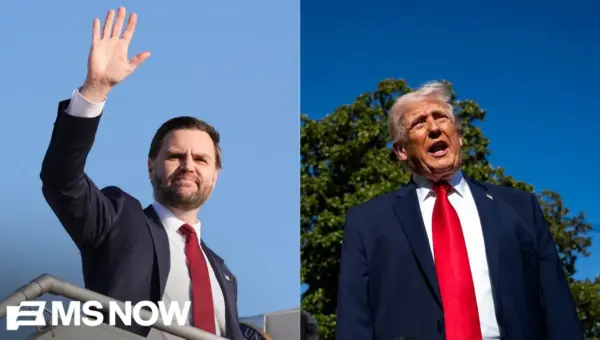
US-Iran Peace Talks Collapse Amid Nuclear Standoff
High-level peace talks between the United States and Iran have collapsed, with Vice President J.D. Vance announcing no agreement was reached after 21 hours of discussions. The primary sticking point was Iran's nuclear ambitions, with the U.S. seeking a clear commitment against developing nuclear weapons. Despite the failure, the historic nature of the meeting and the continuation of a fragile ceasefire offer a sliver of hope for future diplomacy.