3D Homes: A Housing Crisis Solution?
3D printed homes, heralded as a potential solution to the housing crisis, are emerging in markets like Austin, TX. While offering benefits like energy efficiency, current price points and unique aesthetics raise questions about their broad market impact and affordability.

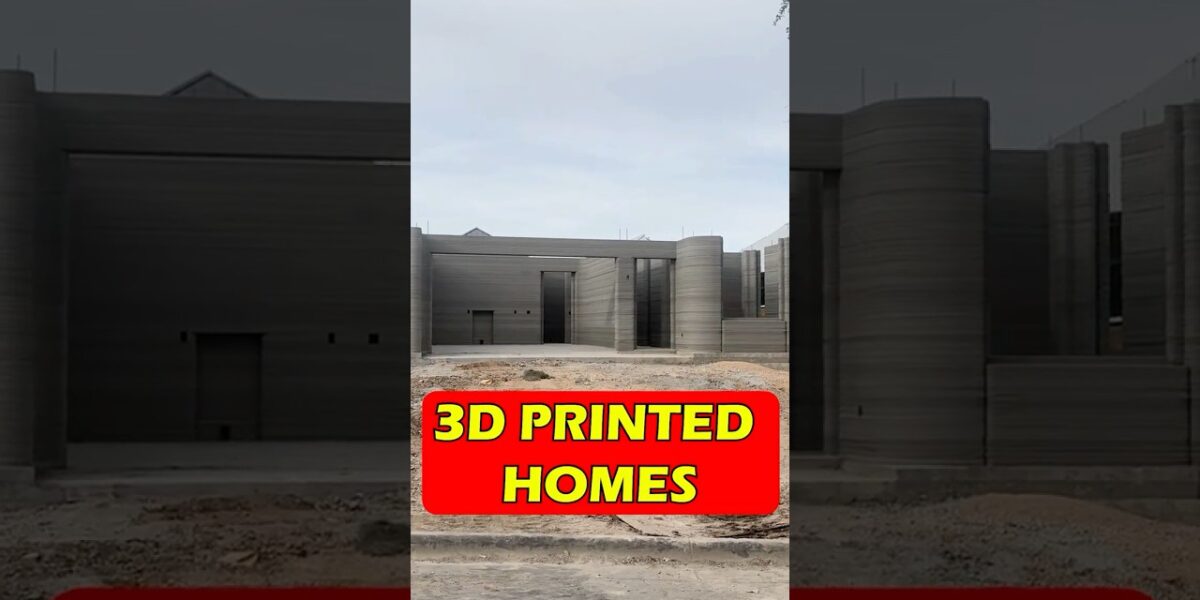
3D Printed Homes: A Glimpse into the Future of Housing or a Niche Market?
The persistent housing crisis, marked by soaring prices and limited inventory, has spurred innovation in construction. One of the most talked-about advancements is 3D printed housing, a technology that promises rapid, cost-effective home construction. While the concept is gaining traction, particularly in areas like Austin, Texas, its actual impact on affordability and market dynamics remains a subject of debate.
The Promise of 3D Printing in Construction
The fundamental idea behind 3D printed homes is to revolutionize the building process. Instead of traditional methods involving extensive labor and materials, specialized trucks are brought to a site to spray concrete layer by layer, constructing homes from the ground up. Proponents argue that this approach allows for mass production of housing units in a significantly shorter timeframe and at a lower cost compared to conventional building techniques.
The potential benefits are substantial. Faster construction means more homes can be brought to market quickly, potentially alleviating supply shortages.
The automation involved in 3D printing could lead to reduced labor costs, a significant factor in overall construction expenses. This efficiency, in theory, should translate into more affordable housing options for buyers.
Reality Check: Affordability and Market Adoption
However, the reality on the ground, particularly in the burgeoning Austin metropolitan area, presents a more nuanced picture. While the technology is impressive, the claimed cost savings have yet to fully materialize for consumers.
In a community of 3D printed homes located north of Austin, prices currently range from approximately $450,000 to $550,000. These figures, while potentially competitive in a high-cost market like Austin, do not represent a drastic reduction in price that one might expect from a revolutionary new building method aimed at solving affordability issues.
This price point raises questions about whether 3D printing is currently a viable solution for the broader housing crisis, which disproportionately affects lower and middle-income households. For these demographics, homes in the half-million-dollar range are often out of reach, regardless of the construction method.
Resident Experiences: Efficiency and Aesthetics
Despite the pricing concerns, residents who have purchased these 3D printed homes report distinct advantages. A primary benefit highlighted is the superior insulation provided by the concrete structures.
This leads to significantly lower energy bills, with one resident noting monthly electricity costs as low as $30, even during the peak summer heat. The integration of solar panels on many of these homes further enhances their energy efficiency and reduces ongoing utility expenses, offering a compelling proposition for long-term cost savings.
Aesthetically, 3D printed homes often stand out. Their construction method lends itself to unique architectural designs, frequently featuring rounded corners and angular steel roofs.
This results in a futuristic, almost avant-garde appearance, which some find appealing while others might consider it unconventional. The visual difference is stark compared to traditional housing, making it a distinctive choice for homeowners.
Broader Market Context: Austin’s Shifting Landscape
The discussion around 3D printed homes in Austin cannot be separated from the broader economic and housing market trends in the region. Austin has experienced explosive growth over the past decade, driving up demand and property values. However, like many rapidly expanding tech hubs, it is also susceptible to market corrections.
Data from the area indicates that home values north of Austin have seen a decline of approximately 25% over the last three years. This downturn suggests a market that is cooling, and potentially has further to fall, influenced by factors such as rising interest rates, a slowdown in tech sector growth, and increased housing inventory compared to previous years.
This regional market dynamic is crucial. For sellers in such a market, declining values can mean reduced equity and longer selling times.
For buyers, it could present opportunities for negotiation, though higher mortgage rates can offset some of the price reductions. Investors, who often rely on appreciation and rental income, must carefully assess cap rates (the ratio of net operating income to property value), loan-to-value ratios (LTV, the ratio of a loan to the value of an asset purchased), and potential cash flow in a depreciating or stagnant market.
The Future of 3D Printed Housing
While 3D printed homes offer intriguing possibilities for efficiency and sustainability, their current role in solving the widespread housing affordability crisis appears limited. The high initial cost, coupled with a distinct aesthetic, positions them more as a specialized product rather than a mass-market solution at this stage.
As the technology matures, construction costs decrease, and consumer acceptance grows, 3D printing could become a more significant part of the housing landscape. For now, it represents an innovative experiment at the intersection of technology and real estate, offering a glimpse into potential future construction methods but not yet a panacea for the complex challenges facing the housing market today.
Source: 3D Printed Homes in Austin TX (you won't believe this) (YouTube)

Related Articles

Brooklyn Fights Back: Shelters Spark Resident Outrage
Brooklyn residents are protesting the construction of homeless shelters, citing safety concerns and potential profit motives by developers. Intense demonstrations, including blocking construction vehicles, highlight a growing conflict between community needs and the city's efforts to house its homeless population.


Bass Leads Mayor Race Amidst Voter Doubts
A new poll shows Los Angeles Mayor Karen Bass leading her reelection bid with 25% of the vote, but her lead is narrow. Over half of voters view her unfavorably, raising concerns for her campaign. Other candidates are actively debating key city issues like housing, aiming to capture undecided voters.


UK Govt Condemns “Attack On Us All” After Arson of Jewish Ambulances
Four ambulances owned by a Jewish volunteer group were destroyed in a suspected anti-Semitic arson attack in North London. The government condemned the incident as an "attack on us all" while also addressing concerns about potential Iranian missile threats and announcing plans for seven new towns.