Iran Tightens Grip on Strait, Challenges Global Order
Iran's assertive actions, including partially blocking the Strait of Hormuz and escalating regional tensions, signal a challenge to the global order. The uncertainty surrounding its nuclear program and its use of economic leverage create significant geopolitical instability.


Iran Tightens Grip on Strait, Challenges Global Order
Iran has escalated tensions by partially blocking a vital shipping lane, the Strait of Hormuz. This move comes shortly after Iran fired missiles at Israel and the UAE, sparking a strong response from Israel. These actions signal a significant challenge to international maritime freedom and regional stability. The situation highlights Iran’s growing assertiveness and its willingness to use economic pressure as a geopolitical tool.
Escalation and Retaliation
The recent events began with Iran firing on Israel and the UAE, even as a cease-fire was reportedly being discussed. Israel retaliated with missiles and conducted its largest attacks to date on Hezbollah in Lebanon, reportedly killing over 100 people. While Israel and the U.S. claim Lebanon was not part of the cease-fire agreement, these actions have undeniably heightened regional tensions. The Iranian regime now appears to be using this leverage to make demands from Israel and the U.S. This contradicts claims from the Biden administration that Iran is desperate for a deal.
The Strait of Hormuz: A Critical Chokepoint
Iran’s actions to control the Strait of Hormuz, a critical global oil transit point, are particularly significant. While the strait was never fully closed, Iran has increased its influence and control over shipping. This has led to demands that ships pay them for passage, claiming it’s compensation for actions by Israel and the U.S. The situation is complicated by former President Trump’s openness to a joint venture with Iran to manage tolls in the strait, though no such offer has been made by Iran.
Nuclear Ambitions Remain Unclear
A major point of concern is Iran’s nuclear program. There is significant uncertainty, even among international bodies like the IAEA, about the true extent of Iran’s nuclear capabilities. Since 2021, when Iran announced it would enrich uranium to 60%, a level close to weapons-grade, it has not allowed thorough inspections. Iran has also not indicated any plans to reduce its enrichment activities, despite discussions about a peace plan. The U.S. President has stated he will never allow Iran to enrich uranium to weapons-grade levels. However, reports of a secret nuclear plan have led to threats of criminal charges against media outlets, including CNN, for publishing such information. A federal investigation is reportedly looking into media companies that published these reports.
Motivations and Interests
Iran: Seeks to assert regional influence, secure its regime, and gain leverage in international negotiations, particularly concerning its nuclear program and sanctions relief. Controlling the Strait of Hormuz is a key tactic to pressure adversaries and demonstrate its power.
Israel: Aims to prevent Iran from developing nuclear weapons and to counter Iranian-backed groups like Hezbollah that threaten its security. Israel sees Iranian regional expansion as a direct threat.
United States: Tries to maintain regional stability, ensure the free flow of global energy supplies, and prevent Iran from acquiring nuclear weapons. The U.S. also faces the challenge of balancing its relationship with Israel and its broader regional interests.
Hezbollah: Acts as a proxy for Iran, seeking to pressure Israel and advance Iranian strategic goals in the region. Its actions are often coordinated with or supported by Tehran.
Global Impact
Iran’s actions in the Strait of Hormuz have significant global implications. The strait is a vital route for a substantial portion of the world’s oil supply. Any disruption or increased cost of passage could lead to higher energy prices worldwide, impacting economies globally. This situation also raises concerns about the potential for wider conflict, drawing in more regional and international actors. The uncertainty surrounding Iran’s nuclear program adds another layer of instability, potentially triggering a regional arms race or further international sanctions.
Historical Context
The Strait of Hormuz has long been a point of strategic importance and tension. In the past, Iran has threatened to close the strait during periods of heightened conflict, such as the Iran-Iraq War. International efforts to ensure freedom of navigation in the strait have been ongoing for decades, involving naval patrols and diplomatic agreements. Iran’s current actions can be seen as an attempt to reassert control over this critical waterway, drawing on historical precedents of using it as a bargaining chip.
Economic Leverage
Iran’s control over the Strait of Hormuz gives it significant economic leverage. By potentially disrupting or taxing shipping, Iran can affect global energy markets and exert pressure on countries reliant on these supplies. This economic pressure is a key tool in its foreign policy, aiming to influence international decisions regarding sanctions and its nuclear program. The U.S. and its allies have historically used sanctions as a form of economic leverage against Iran, creating a complex interplay of economic pressures.
Future Scenarios
Several future scenarios are possible. Iran could continue its assertive actions, leading to further escalation and potential military confrontation. Alternatively, diplomatic efforts could intensify, possibly leading to a new agreement on Iran’s nuclear program and regional security. A less likely scenario involves a significant internal shift within Iran, leading to a change in its foreign policy. The most probable outcome involves continued tension and strategic maneuvering, with both Iran and its adversaries seeking to gain advantage without triggering a full-scale conflict.
Source: No one really knows about Iran's nuclear capabilities: Cuomo | CUOMO (YouTube)

Related Articles


Ukraine Aid Cuts Cost Americans More Than Support
Cutting support for Ukraine has cost Americans more in increased energy prices than the aid itself would have, a new analysis suggests. The decision has also damaged global trust, with far-reaching implications.


US, Iran Hold High-Stakes Peace Talks Amid Tensions
Vice President J.D. Vance led U.S. negotiations with Iran in Pakistan, seeking to de-escalate tensions amid ceasefire violations and threats of military action. The talks face significant hurdles, including Iran's demands for a Lebanon ceasefire and asset release, and the critical closure of the Strait of Hormuz. The conflict's economic impact is evident in rising inflation and falling consumer confidence.

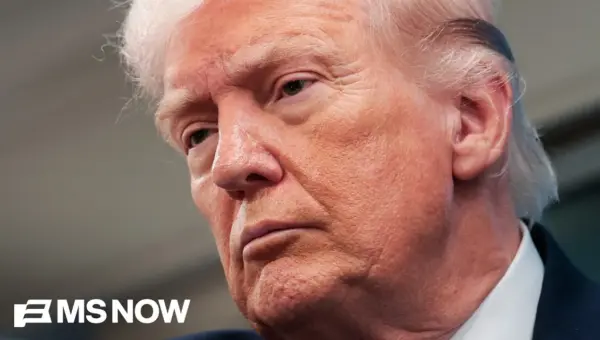
Trump’s Iran War Sparks Global Economic Crisis, Fuel Shortages
Donald Trump's war with Iran has triggered a global economic crisis, marked by surging inflation, gas price hikes, and potential jet fuel shortages. Iran's control over the vital Strait of Hormuz has become a key economic and geopolitical advantage, complicating U.S. objectives and impacting international stability.