Tech Drones Secure Vital Strait, Bolster Global Oil Flow
New underwater drones from YULISSAS can find and disarm mines in the Strait of Hormuz for $50,000 each. This technology could secure global oil flow and stabilize prices by clearing threats in the vital shipping lane.

Tech Drones Secure Vital Strait, Bolster Global Oil Flow
New underwater drones offer a low-cost solution to clear mines in the Strait of Hormuz. This technology could help keep global oil prices stable and secure a vital shipping route. The Strait of Hormuz is a critical waterway for transporting oil and gas around the world. Hundreds of ships pass through it every day.
Mines Threaten Shipping Lanes
Recently, concerns have grown about mines placed in the Strait. These mines threaten ships and have caused some to avoid the area. This fear can lead to higher oil and gas prices for everyone. Negotiations for a cease-fire in the Middle East have focused on keeping this strait open for trade.
Innovative Drone Technology
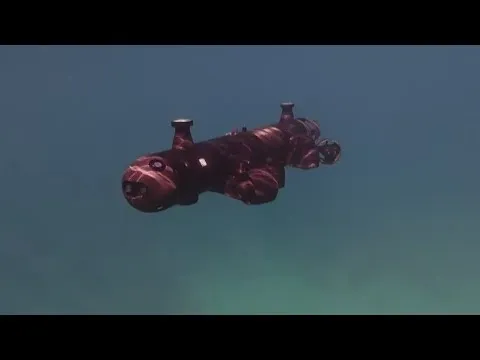
An American company called YULISSAS has developed a new solution. They have created drones that can find and disarm these underwater mines. These drones can go as deep as 5,000 feet and travel up to 250 miles on one charge. Each drone costs about $50,000, which is considered affordable, especially for military use.
These small drones can get close to the mines to disable them without setting them off. This is a significant advantage over older methods. The U.S. Navy has shown interest in this technology because it could be very effective.
Speed and Cost Advantages
YULISSAS believes they can produce many of these drones quickly and cheaply. Their modular design means they can be easily updated or changed. This allows for dozens of drones to operate at once. The goal is to find and remove mines as fast as they are placed.
Mine warfare in the Strait of Hormuz is a complex problem. If ships can travel safely again, it will help stabilize the cost of energy. Using robots like these drones can save human lives.
Protecting Sailors and Economy
Currently, the U.S. Navy has some mine-clearing tools. However, much of the newer technology costs hundreds of millions of dollars. Deliveries of these advanced systems have also been slow. A large group of YULISSAS drones would cost much less and could be adapted specifically for mine clearing.
Having the right tools to quickly remove any threats would prevent worries about mining the strait. YULISSAS is also working on a support ship. This ship would help launch the drones and recharge them automatically.
Challenges Remain
Despite this new technology, the Strait of Hormuz still faces challenges. The Iranian Maritime Authority is currently deciding on safe routes for the few ships allowed to pass. This is due to the ongoing threat of mines.
Experts predict that other countries in the Middle East will likely contact YULISSAS to learn more about their drone technology. The ability to secure this vital waterway with advanced, affordable robots could reshape regional security and global energy markets.
Global Impact
The Strait of Hormuz is a critical chokepoint for global energy supplies. About 20% of the world’s total oil consumption passes through this narrow waterway. Any disruption, like the threat of mines, can quickly affect oil prices worldwide. High oil prices can lead to increased costs for transportation, manufacturing, and everyday goods.
Historical Context
The region around the Persian Gulf has a long history of geopolitical tension. For decades, international powers have sought to ensure the free flow of oil through its waterways. Agreements and naval patrols have been used to maintain stability. The current situation highlights how new technologies can play a crucial role in resolving long-standing security issues.
Economic Leverage
Control or disruption of the Strait of Hormuz gives significant economic leverage. Countries that can threaten shipping can influence global markets. The development of affordable mine-clearing technology reduces this leverage. It provides a way for the international community to counter threats and maintain economic stability.
Future Scenarios
One possible future is that these YULISSAS drones become widely adopted. This could lead to a more secure Strait of Hormuz, with fewer disruptions to oil flow. Another scenario is that regional tensions continue, and new threats emerge. However, the availability of cost-effective solutions like these drones could deter such actions.
The success of this technology could encourage further innovation in robotic solutions for maritime security. It shows how technological advancements can be key to managing complex international challenges.
Source: $50,000 drones capable of destroying disarming mines in Strait of Hormuz | Elizabeth Vargas Reports (YouTube)

Related Articles


Vance Navigates Iran Crisis Amidst Trump’s Conflicting Statements
A US delegation is in Pakistan for critical talks with Iran aimed at reopening the Strait of Hormuz, a key global oil route. The mission comes as rising gas prices and inflation strain the US economy. Former President Trump's conflicting statements and J.D. Vance's described role add complexity to the high-stakes negotiations.


US, China Clash in New Space Race for Lunar Dominance
The US and China are engaged in a new space race, focusing on lunar resources and strategic influence. While the US Artemis program aims for a 2028 landing, China's rapid advancements and 2030 lunar goals present a significant challenge. This competition echoes historical colonialism and highlights the growing importance of space in modern warfare.


China’s Taiwan Gambit: Peace Talk Hides Military Threat
Taiwan's opposition leader's visit to Beijing is a performative act by China, according to retired US Colonel Grant Nam. While presented as peace talks, it coincides with increased Chinese military activity around Taiwan. This strategy aims to influence both Taiwanese and American politics, while China signals its readiness to use force.