Trump’s Iran Deal: ‘Smoke and Mirrors’ After Genocide Threat
President Trump's promised ceasefire with Iran is reportedly unraveling, with critics calling the deal 'smoke and mirrors.' The agreement, brokered by Pakistan, faces scrutiny over concessions made to Iran and the resumption of traffic blocks in the Strait of Hormuz. The controversy is compounded by Trump's earlier threat to 'kill a whole civilization,' which experts have condemned as a war crime.

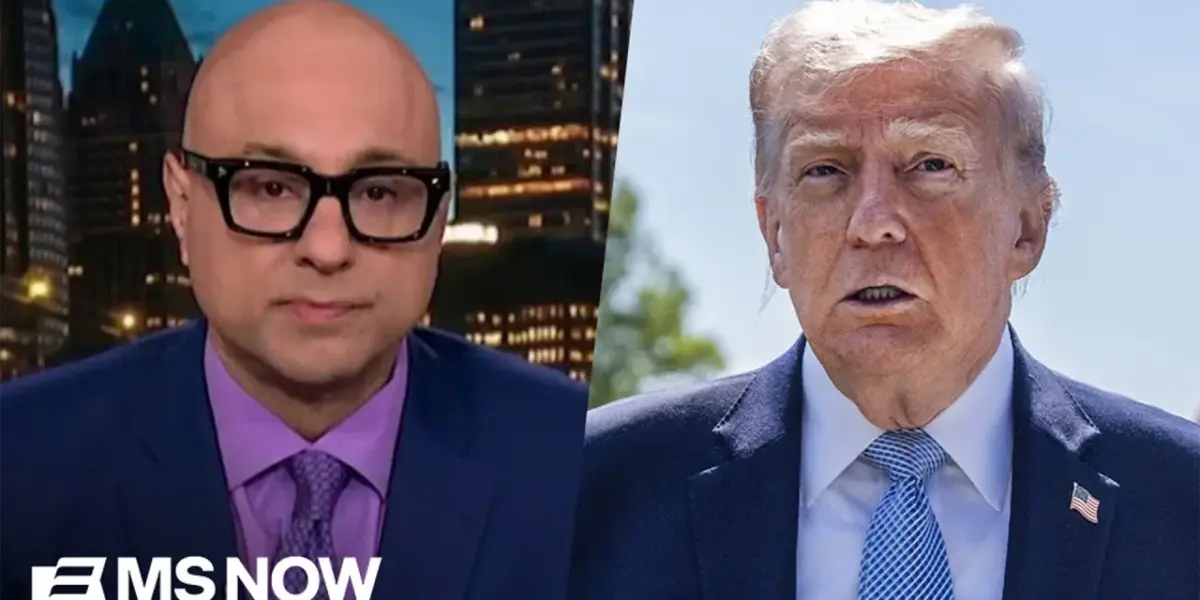
Trump’s Iran Ceasefire Crumbles Amidst International Scrutiny
Just days after threatening to destroy an entire civilization, President Donald Trump’s promised ceasefire with Iran appears to be unraveling, revealing itself as a fragile agreement built on concessions and a shaky foundation. The deal, brokered by Pakistani officials, aimed to de-escalate a conflict initiated by the U.S. nearly six weeks prior, but its terms and effectiveness are now being questioned both domestically and internationally.
A ‘Humiliating’ List of Concessions?
According to multiple Iranian officials and reports, the agreement, which was presented as a two-week ceasefire to negotiate peace, included a series of concessions promised to Iran by the Trump administration. This alleged deal has been described as “humiliating” by critics, suggesting the U.S. may have given up significant ground to secure a temporary peace. The White House initially declared a “historically swift and successful military triumph,” claiming the U.S. had achieved its strategic objectives and forced Iran to “cave to their knees.” However, this narrative quickly faced challenges as the terms of the deal became clearer.
Strait of Hormuz Remains a Flashpoint
A key objective of the U.S. in initiating the conflict was to ensure the free passage of ships through the Strait of Hormuz, a vital chokepoint for global oil supplies. Iran had previously blocked traffic through the strait, cutting off a significant portion of the world’s oil and gas. The Trump administration stated that reopening the strait was a condition for ending the war. Yet, reports emerged that Iran had resumed blocking traffic through the Strait of Hormuz less than 24 hours after the supposed ceasefire was announced. This move directly contradicted the White House’s claims of success and highlighted the instability of the agreement.
Lebanon Conflict Ignored in Peace Talks
Adding another layer of complexity, the ceasefire agreement, according to Pakistani mediators and Iranian officials, was intended to cover Lebanon as well. Lebanon had been subjected to constant bombardment by Israel, resulting in numerous casualties. However, the White House clarified that Lebanon was not part of the ceasefire, stating that this had been communicated to all parties involved. This exclusion raised further questions about the scope and sincerity of the peace efforts, particularly as Iranian state media warned of retaliation if Israel continued its strikes on Lebanon.
Trump’s Genocide Threat and War Crime Allegations
The controversy surrounding the Iran deal is amplified by President Trump’s earlier threat to “kill, quote, a whole civilization, end quote.” This statement, made in the context of the conflict, has drawn severe criticism from international relations experts and human rights advocates. Ben Rhodes, former Deputy National Security Advisor under President Obama, described the threat as “unheard of in the annals of American history,” stating that Trump threatened to commit genocide and bomb civilian targets.
“He threatened to commit genocide. He threatened to wipe out a thousands-year-old civilization. He threatened to bomb civilian targets that have nothing to do with any military objectives. He threatened mass murder on a scale that is frankly unimaginable.”
Rhodes further argued that such threats constitute war crimes under international law, including the Geneva Conventions and the U.S. military’s own law of war. He expressed concern that these actions cast the United States as a “rogue nation” and would negatively impact global perceptions for generations.
Negotiations Continue Amidst Uncertainty
Despite the crumbling ceasefire and the severe criticism of Trump’s rhetoric, the White House maintains that peace talks are ongoing. U.S. Senator J.D. Vance is reportedly scheduled to join negotiations in Pakistan this weekend. The situation remains fluid, with the effectiveness of the U.S. “deal” and the long-term implications of Trump’s aggressive stance on Iran yet to be fully determined. The world watches to see if this fragile truce can hold or if the conflict will escalate further.
Source: ‘Humiliating’: Trump’s ‘deal’ with Iran was smoke and mirrors, says Velshi (YouTube)

Related Articles
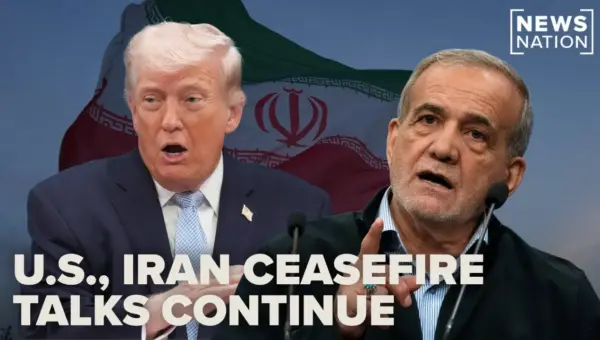
Iran Threatens Strait of Hormuz Amid Lebanon Strikes
Iran threatens to close the vital Strait of Hormuz in response to ongoing strikes in Lebanon. The US is trying to de-escalate, but actions on the ground remain a concern, potentially impacting global oil markets and future negotiations.
Senator Slams Jeffries’ Iran Stance, Cites Nuclear Threat
Senator Rick Scott sharply criticized House Democratic Leader Hakeem Jeffries over his stance on Iran, calling him an "idiot" for seeking to limit the President's authority. Scott highlighted the threat of Iran developing nuclear weapons. The discussion also covered President Trump's stance on NATO and the ongoing DHS funding shutdown.

Iran’s Hormuz Threat: A Known Tactic, Not New
Recent conflict did not teach Iran a new tactic by threatening to close the Strait of Hormuz. Experts and Iranian planners have long understood this strategic leverage. The effectiveness of the recent shutdown was tied to global perceptions of the preceding conflict's instigator, not a newfound Iranian capability.