GOP Faces Voter Backlash: Strategist Blames Republicans for Poor Performance
Democratic strategist Cornell Belcher argues that recent special election results show a clear trend against Republicans, putting more seats at risk in the upcoming midterms. He contends that GOP efforts like gerrymandering may not be enough to overcome voter dissatisfaction with key issues and that the party's tactics aim to suppress votes rather than win fairly.

Republicans Face Uphill Battle as Special Elections Signal Voter Discontent
Recent special election results are sending a clear warning to Republicans ahead of the midterm elections, according to Democratic strategist Cornell Belcher. Belcher argues that the GOP’s struggles in these contests are not isolated incidents but rather a continuation of a trend that suggests many seats are now in play. He stated that the party’s own actions and strategies have put them in this difficult position.
Analyzing the Trend Line: More Seats in Play Than Expected
Belcher highlighted that in past midterm elections, typically only about 25 to 30 seats are considered truly competitive. However, he believes this year will see significantly more. “I think you’re clearly going to have more than 30 seats in play this midterm election because of this trend line,” Belcher explained. He initially predicted 40 seats would be competitive, a number he still stands by after further analysis.
Redistricting Efforts May Not Be Enough for GOP
The impact of redistricting, where political maps are redrawn, was discussed as a major factor. While Republicans have used this process to try and secure their seats, Belcher suggested it might not be enough. “You have to make incumbent Republicans less safe in order to spread that around,” he said. Even with redrawn lines, voters in those districts still have the ultimate say. Belcher pointed out that some districts that were once solidly Republican, with a lead of over 20 points, are now only considered safe at 10 or 8 points. Given the current trend, even these smaller margins might not be enough for incumbents to feel secure.
Voters Hold the Ultimate Power, Not Gerrymandering
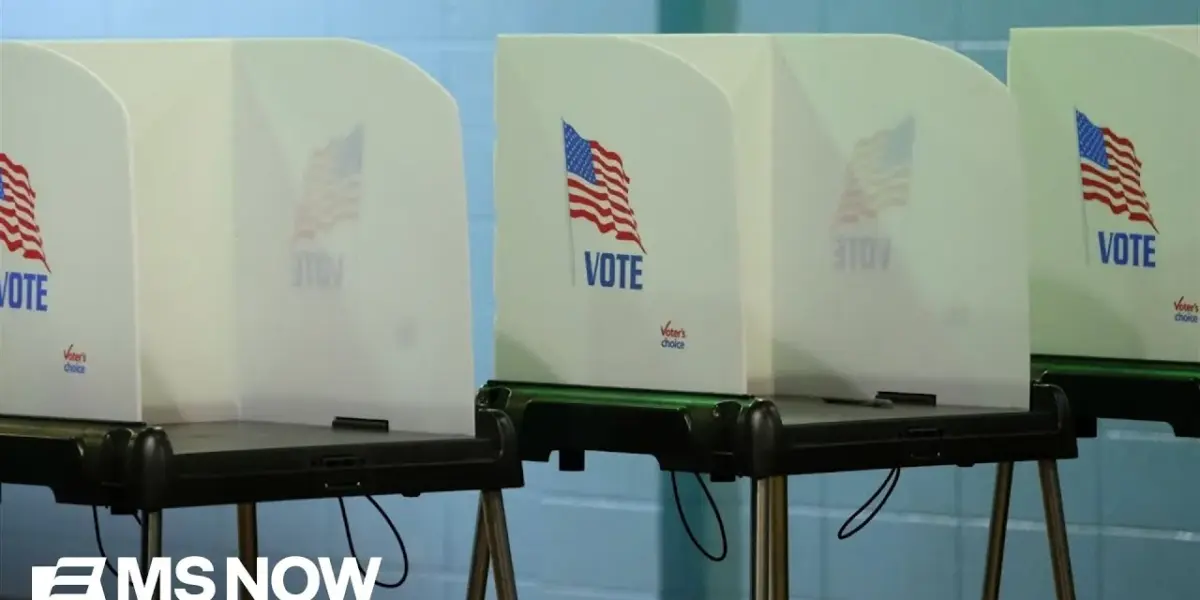
Belcher emphasized that despite efforts to manipulate electoral maps through gerrymandering, voters ultimately decide the outcome. “The people at the polls have the final say here,” he stated. He referenced efforts by groups like the National Democratic Redistricting Committee to challenge gerrymanders, citing Wisconsin as an example where such work has made elections more competitive.
“You can play with the numbers all you want. You can try to gerrymander these states to the high heavens… but the voters have the final say here.”
Republican Tactics Aim to Suppress Votes, Not Win Fairly
The strategist suggested that the Republican Party is aware of the power of the voters and is resorting to other tactics out of fear. “The Republican Party right now in this country is very scared of that fact,” Belcher observed. He pointed to actions like executive orders on mail-in ballots and threats at polling places as attempts to discourage people from voting. “They are trying to scare people because I think they know that if folks show up to [the polls], those folks might not be voting for them,” he added.
External Factors Influence Voter Decisions Beyond Political Maps
Even in districts where lines have been redrawn, Belcher noted that external factors significantly influence how people vote. “We’re engaged in a war which will be playing out despite what Donald Trump thinks this fall. Gas prices will be as high, maybe down a dollar, you know, 10 cents. Gas is still up,” he said. He believes voters are deeply unhappy with issues like the war, affordability, stagnant wages, and job growth. These concerns, he argues, are key indicators of how voters will cast their ballots.
Democrats Should Focus on Midterm Referendum
Belcher proposed a clear strategy for Democrats: make the midterm elections a referendum on the incumbent party. “Maybe Democrats should make this a midterm referendum on the incumbent. Crazy idea,” he quipped. He believes that focusing on the issues that are currently dissatisfying voters, such as the economy and ongoing conflicts, would resonate strongly at the ballot box.
Source: ‘It’s their own fault’: Dem. strategist on GOP’s poor special election performance ahead of midterm (YouTube)

Related Articles


GOP Divided: Trump’s Iran Stance Sparks Midterm Fears
Democratic leaders are increasingly challenging President Trump's foreign policy, particularly his approach to Iran. Concerns over escalating tensions and potential war crimes rhetoric are fueling a split within the GOP, as Senate Democrats prepare to force a vote on war powers. The rapid opposition mirrors past conflicts, with many drawing parallels to the Iraq War.

Iran War Decision Looms: Voters Weigh Cost vs. Security
American voters face a critical decision this November on the worth of the Iran war. The conflict carries immense costs in lives and dollars but also boasts key security achievements. The outcome will significantly influence global markets and future foreign policy.


GOP Faces Vote Losses Amidst Party Compliance Culture, Analysts Say
Republican leaders are facing increasing criticism for claiming a mandate while their actions alienate voters, according to political analysts. A culture of compliance within the GOP is weakening its principles and potentially leading to significant electoral losses. Democrats are urged to maintain a strong public stance and fight for their agenda.