Trump’s Tariffs Target China, Shielding US Space Goals
President Trump's threat of 50% tariffs on countries supplying Iran is a bold move aimed at China. This economic pressure could prevent Iran from rearming and protect U.S. space exploration goals from global conflicts.

Trump’s Tariffs Target China, Shielding US Space Goals
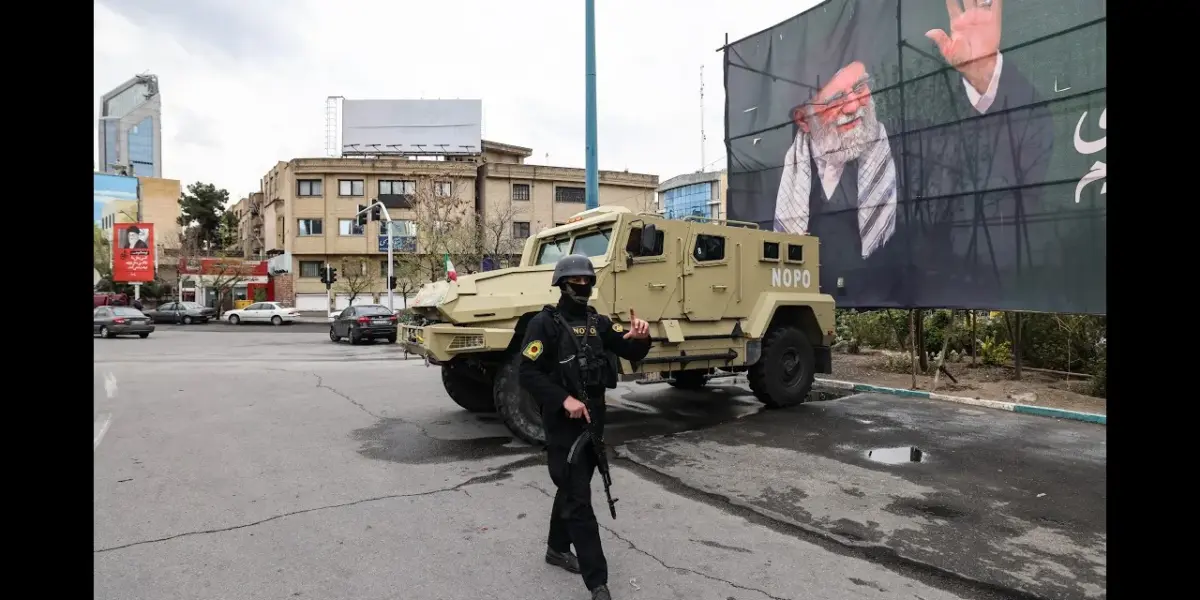
The United States has declared a significant victory in its recent military actions against Iran. War Secretary Pete Hegsth announced that Iran’s air defense systems are gone, its missile sites are destroyed, and its missile factories are in ruins. This strong message from the administration shows that the fight is far from over. The main goal is to completely stop Iran from developing nuclear weapons.
Diplomacy Meets Demands
Tough talks are set to begin in Islamabad, led by Vice President JD Vance. Both sides have exchanged very different lists of demands, making the negotiators’ job difficult. However, the message is clear: if these talks don’t lead to progress and President Trump’s goals aren’t met, the U.S. is ready to restart military operations. These future actions would put even more pressure on what’s left of Iran’s government.
Impact on the Ground
Attacks on bridges and power plants in Iran would hurt the general population the most. This could increase anger towards a regime that has oppressed its people for nearly 50 years. Iran’s government is now spread out, with authority held by commanders who are not widely known. These commanders are located in 31 different provinces.
Destroying important infrastructure would put more pressure on these scattered leaders. The U.S. should look for signs of large-scale public revolts. Unlike in February, when the regime used Chinese surveillance technology to find and kill thousands of protesters, the U.S. could now send help to cities trying to overthrow the government.
Overcoming Surveillance
China’s funded surveillance technology is a major obstacle. It is spread throughout Iran, making it harder for people to rise up. The solution is to bring in independent communication technology. Elon Musk’s Starlink is already present in Iran, and the government has tried to find and remove its receivers.
However, thousands more Starlink sets could be flown into cities seeking freedom. This would connect them to the outside world and allow them to communicate more easily. These new connections would bypass the Chinese surveillance technology already in place.
Space Race and Global Threats
The conflict in Iran offers lessons for other nations, like Russia’s invasion of Ukraine. After Russia invaded Ukraine, its space program suffered greatly. In contrast, the U.S. space program is showing remarkable success. The Artemis 2 mission, with four astronauts, is completing a trip around the moon.
This mission demonstrates key technologies needed to send humans to the moon by 2028. However, there’s a danger: China could help Iran rearm, creating a difficult military situation. China could also push North Korea to start nuclear incidents or start a war in the Taiwan Strait.
These conflicts could force the U.S. to shift funding away from its space program. This could significantly delay or stop the Artemis moon base programs. The U.S. needs to balance diplomacy, economic pressure, and military readiness to prevent Iran from taking advantage of any ceasefire. It also needs to stop China from exploiting the situation.
Tariffs as a Deterrent
President Trump’s actions are seen as wise, especially his threat of 50% tariffs on all goods from any country supplying weapons to Iran. This threat is largely aimed at China. Such a move could delay planned talks with Chinese leadership, but it might be worth it to save American lives.
It could scare China away from rearming Iran with conventional or nuclear weapons. It could also prevent North Korea from sending its small tactical nuclear weapons to Iran. These plans are reportedly already in motion.
President Trump stated on Truth Social that any country selling military weapons to Iran will face immediate 50% tariffs on all goods sold to the U.S. Many observers believe this move is specifically targeting China’s role in the conflict.
Why This Matters
This situation highlights a complex global chessboard where military actions, economic policies, and technological competition are deeply intertwined. The U.S. faces the challenge of deterring aggression from Iran and China while simultaneously advancing its own ambitious space exploration goals. The use of tariffs as a primary tool signals a shift in U.S. foreign policy, aiming to use economic leverage to counter geopolitical threats.
Implications and Future Outlook
The effectiveness of President Trump’s tariff threat remains to be seen. If China complies, it could significantly reduce the risk of Iran acquiring advanced weaponry, thus de-escalating regional tensions. However, if China ignores the threat, it could lead to a trade war, impacting global markets and potentially diverting resources from crucial scientific endeavors like the Artemis program.
The reliance on independent communication technology like Starlink in Iran also points to a future where controlling information flow becomes a key battleground. The ability to provide citizens with uncensored access to the outside world could be a powerful tool in supporting movements for change.
Historical Context
The U.S. has a history of using economic sanctions and tariffs to influence the behavior of other nations. The current threat against countries supplying Iran draws parallels to past actions aimed at curbing nuclear proliferation and limiting military capabilities of adversaries. The mention of a potential 2012 scenario where tariffs could have prevented North Korea’s nuclear development suggests a long-standing concern about the spread of dangerous weapons technology.
The comparison between Russia’s failing space program and the U.S.’s successful Artemis mission underscores the importance of sustained investment and technological advancement in maintaining national security and global leadership. The ability to project power and influence, whether militarily or technologically, remains a critical factor in international relations.
Source: Trump’s Tariff on Rearming Iran a Major Step in Defeating China Threat: Expert (YouTube)

Related Articles


Trump’s Wild Rants Expose a Presidency Adrift
Donald Trump's recent 'batshit crazy' outbursts, attacking former allies and reacting erratically to the Iran crisis, signal a leader adrift. Professor Scott Lucas argues this isn't diplomacy but desperate shouting, as geopolitical tensions escalate and traditional allies seek new paths.


Artemis II Crew Returns: NASA Celebrates Historic Moon Mission Success
NASA's Artemis II mission has successfully splashed down, concluding the first crewed journey around the Moon in over 50 years. The mission provided crucial data on space travel and human health, while the crew's precise re-entry demonstrated the Orion capsule's capabilities. This historic flight paves the way for future lunar exploration.
China Courts US Oil Amid Iran Deal, Rare Earth Race Heats Up
China is now importing US oil amid a complex geopolitical landscape, including brokering an Iran ceasefire and facing challenges in its rare earths dominance. Meanwhile, regional disputes over strategic islands and airspace add to global tensions.