Trump’s Iran Strategy: Tough Talk Meets Real-World Strikes
A panel of former military and intelligence officials discussed President Trump's assertive strategy towards Iran, including military strikes and economic pressure. The discussion highlighted Iran's unyielding stance despite consequences and the potential for regional escalation.

Trump’s Iran Strategy: Tough Talk Meets Real-World Strikes
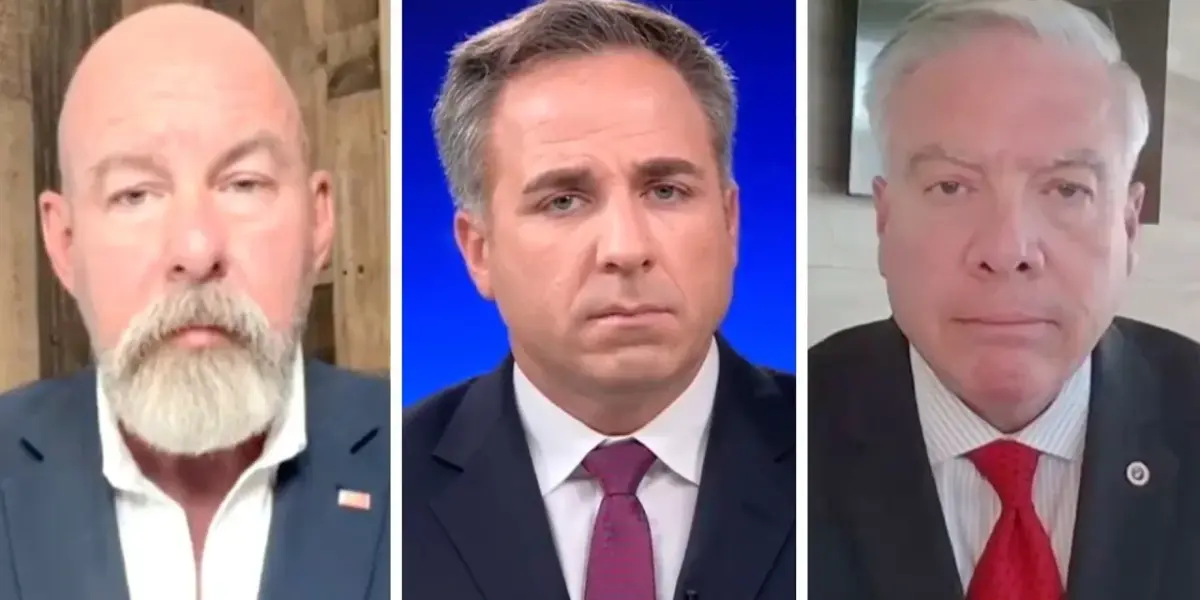
Former Navy SEAL Jonathan Gilliam and retired Lt. Col. Hal Kempfer, a former Marine intelligence officer, recently joined NTD’s Steve Lance to discuss President Trump’s firm stance on Iran. The conversation focused on the administration’s recent actions and its approach to dealing with Iran’s military activities. They highlighted specific U.S. strikes and Iran’s reactions, painting a picture of a tense geopolitical situation.
Setting a Deadline
Trump set a clear deadline for Iran to reach a deal. The President stated that if no agreement was made by 8:00 p.m. EST on a Tuesday, the United States would take military action. Specifically, the threat involved striking Iran’s bridges, a move that would significantly disrupt their transportation and infrastructure. This ultimatum showed a willingness to escalate if diplomatic efforts failed.
Addressing Economic Terrorism
The panel also touched upon Vice President JD Vance’s explanation of the U.S. military’s actions. Vance characterized Iran’s actions in the Strait of Hormuz as a form of “economic terrorism.” The Strait of Hormuz is a vital waterway for global oil transport. Iran’s actions there, such as interfering with shipping, can disrupt the world’s economy. This framing suggests the U.S. views Iran’s actions as deliberately harmful to international trade and stability.
Iran’s Unwavering Stance
Despite facing what the panel described as “catastrophic consequences,” Iran appeared to maintain an “immovable position.” This suggests that Iran has not backed down significantly, even in the face of U.S. pressure and strikes. The panel noted that both the U.S. and Israel carried out strikes on Tuesday. These targeted key Iranian infrastructure, including oil facilities, railways, bridges, and military sites on Kharg Island. Kharg Island is Iran’s main oil export terminal, making it a significant strategic target.
Regional Concerns
The situation also has regional implications. Gulf states are reportedly preparing for possible retaliation from Iran. This indicates a widespread concern among Iran’s neighbors about the potential for escalating conflict. A conflict involving Iran could destabilize the entire region, affecting oil supplies and international security. The preparations by Gulf states show they are taking the threat of Iranian retaliation seriously.
Historical Context
The U.S. and Iran have a long and complex history. Tensions have been high for decades, particularly after the 1979 Iranian Revolution. The U.S. has often viewed Iran’s regional influence and support for certain militant groups as a threat. Iran, in turn, often sees U.S. military presence and alliances in the region as provocations. This cycle of action and reaction has defined much of their relationship.
During the Trump administration, there was a policy of “maximum pressure” on Iran. This involved reimposing sanctions and taking a tougher diplomatic and military stance. The actions discussed in the panel fit within this broader strategy. It aimed to force Iran to negotiate a new deal on its nuclear program and its regional activities.
Why This Matters
The actions and rhetoric surrounding U.S.-Iran relations are critical for global stability. The Strait of Hormuz is crucial for the world’s energy supply. Any disruption there can cause oil prices to spike and impact economies worldwide. The potential for escalation also raises concerns about wider conflict in the Middle East, a region already facing many challenges.
The panel’s discussion highlights the tension between deterrence and diplomacy. The U.S. is using military action and the threat of further strikes to pressure Iran. However, Iran’s resistance suggests that this approach might not be leading to a quick resolution. The situation also shows how international relations can be affected by a leader’s direct and forceful communication style.
Implications and Future Outlook
The immediate implication of these strikes is a further increase in tensions. Iran’s response will be key in determining the next steps. Will Iran retaliate, and if so, how? This could involve actions in the Strait of Hormuz, attacks on U.S. allies in the region, or even cyberattacks. The Gulf states’ preparations suggest they expect some form of Iranian response.
Looking ahead, the future of U.S.-Iran relations remains uncertain. The effectiveness of Trump’s strategy will depend on Iran’s reactions and the broader geopolitical context. If Iran continues its current path, the U.S. may be forced to consider further military or economic measures. Alternatively, if Iran decides to negotiate, a new phase of diplomacy could emerge.
The panel’s insights suggest a period of continued high tension. The administration’s willingness to act militarily, combined with Iran’s apparent resilience, points towards a prolonged standoff. The international community will be watching closely to see how this situation develops and what impact it has on global security and the energy markets.
Source: Trump Has Been Able to Dominate Iranian Military: Panel (YouTube)

Related Articles

US Blockades Hormuz Strait After Iran Talks Collapse
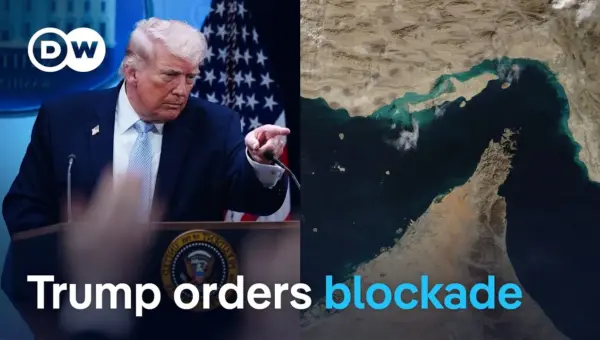
The U.S. has imposed a naval blockade on the Strait of Hormuz following failed peace talks with Iran in Pakistan. Despite mediation efforts, key disagreements over Iran's nuclear program and mutual trust prevented a deal. The move escalates regional tensions, with Pakistan urging continued dialogue.

Vance’s Failed Diplomacy Could Doom His Political Future
Senator JD Vance's recent diplomatic mission in Pakistan ended in failure, raising questions about his political future. The situation highlights complex geopolitical tensions, potential strategic missteps by Donald Trump, and significant economic implications for global energy markets.

US Navy Blockades Strait of Hormuz After Talks Collapse
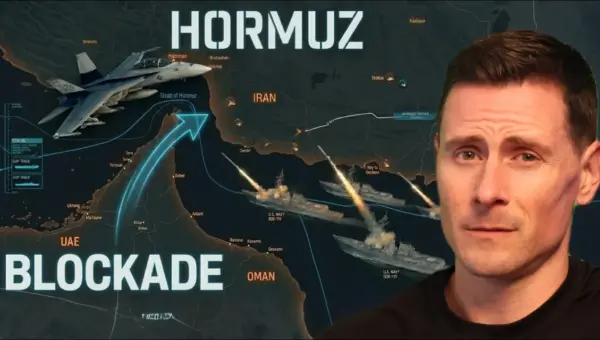
The U.S. Navy has launched a naval blockade of the Strait of Hormuz after critical ceasefire talks with Iran collapsed. This move follows accusations of Iranian "extortion" through alleged mine-laying and toll collection in the vital shipping lane. The operation aims to ensure global energy flow and challenge Iran's control over the waterway.