Iran’s Empty Chair: A Regime on the Brink
The U.S. declared victory in "Operation Epic Fury," but Middle East analyst David Worms argues Iran's regime is manipulating perceptions despite military defeat. The regime's survival hinges on projecting strength, leading to a dangerous self-deception that could unravel the ceasefire.

Iran’s Empty Chair: A Regime on the Brink
The United States has declared a decisive victory in “Operation Epic Fury,” with the Pentagon stating Iran begged for a ceasefire. Secretary of War Pete Hegath called it an “overwhelming victory on the battlefield.” However, an analysis by Middle East affairs expert David Worms suggests the situation is far more complex than a simple win. While Iran’s military and government infrastructure have been severely damaged, the regime’s survival strategy hinges on manipulating perceptions and narratives, a tactic that could prove dangerous for them.
A Military Defeat, A Narrative War
Worms points out that Iran’s military has been defeated, and its government’s ability to control its own territory, including its airspace, has been exposed. A dramatic rescue operation for downed airmen, conducted just 45 kilometers from a major Iranian city with no Iranian response, highlighted this weakness. The U.S. military, he argues, controls key elements of Iran’s air, land, and sea capabilities.
Despite this battlefield reality, the Iranian regime is engaged in a war of perception. Their goal is to survive by projecting an image of strength and invincibility. When a regime built on terror and an image of omnipotence shows weakness, it becomes vulnerable. Worms warns that the danger lies not in the U.S. believing Iran’s narrative, but in the Iranian leadership convincing themselves they won. This self-deception, fueled by external propaganda from Russia, China, and even some voices in the U.S. and Europe, could lead them to believe they hold the upper hand. This belief might cause them to break the ceasefire, thinking the U.S. is in despair.
Leveraging Weakness: The Iranian Strategy
The Iranian regime believes it has the U.S. over a barrel, particularly concerning the Strait of Hormuz. They think the U.S. cannot tolerate high oil prices, which would impact Europe and China. Furthermore, they believe Israel is running out of missile interceptors and that the U.S. and its allies lack the will to continue the conflict. This leads them to think that if they restart the war after regrouping, the U.S. will not have the strength to fight back.
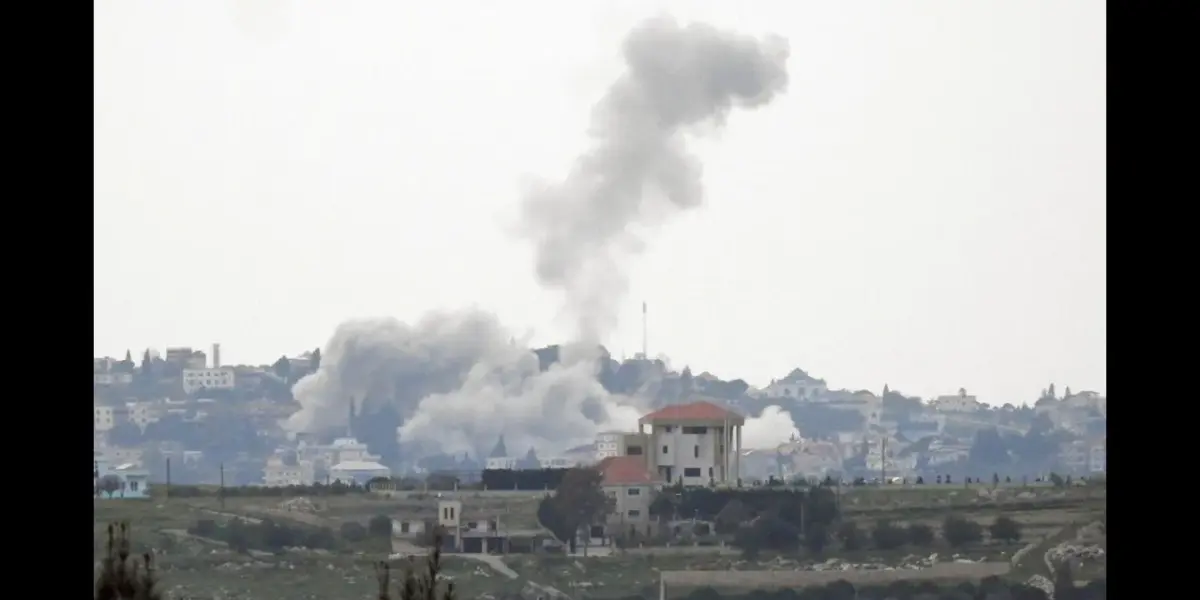
This strategy extends to using the conflict in Lebanon as leverage. Iran has threatened to close the Strait of Hormuz unless attacks on Lebanon cease. This is an attempt to force concessions that the U.S. and Israel have historically refused. Worms suggests this is an example of Iran overplaying its hand, which could lead to the ceasefire unraveling.
The “Dance of Scorpions”
A key question is how Iran can feel it has the upper hand when its military is devastated. Worms explains that the Iranian regime, while at war with its own people and culture, is still staffed by Iranians. Their strategy is not about raw power, but about manipulating the minds of their enemies. They aim to leverage perceived weakness to control the narrative and make their opponents defeat themselves. This is compared to Hamas’s strategy in October 2023, where they sought a ceasefire to regroup, believing internal Israeli political tensions would lead to an Israeli collapse in a prolonged war of attrition.
The internal structure of the Iranian regime is also in dire straits. Much of its leadership is gone, creating a power vacuum. Worms uses the metaphor of an “empty chair” to describe the leadership, with various factions acting like “mafia dons” circling it, assessing their own strength and the weakness of rivals. This internal power struggle, he predicts, is ripe for violence and destabilization. The regime’s desperate attempts to bring in foreign fighters from Iraq and Afghanistan are seen as a way to bolster their control amidst this internal chaos.
Opportunities and Dangers for the Iranian People
The U.S. Secretary of War suggested the ceasefire presents an opportunity for the Iranian people. However, Worms expresses concern. A ceasefire might limit Israel’s ability to target Iranian Revolutionary Guard Corps (IRGC) formations that are suppressing demonstrators. The influx of foreign fighters could also strengthen the regime’s hand in repression. He also notes that Iran might rebuild its economy quickly by importing finished goods from China rather than engaging in costly domestic reconstruction, allowing it to maintain a regional threat.
On the positive side, the Iranian people might gain more access to the outside world, understanding the extent of the regime’s destruction and potentially fostering encouragement. However, Worms fears the regime’s capacity for internal repression is underestimated. The import of fighters and the ability to carry out mass executions of perceived opposition could stifle any potential uprising.
Defining Victory: Beyond the Ceasefire
For the U.S., victory in this conflict is defined by more than just a ceasefire. Key metrics include the removal of 60% enriched uranium from Iran, a significant reduction in Iran’s missile force that prevents a renewed threat, and Iran’s inability to successfully defend its proxies, particularly Hezbollah. Worms notes that Iran is already in a bind regarding the proxy issue, and the U.S. has made it clear that the uranium enrichment will be addressed, either through agreement or force.
Why This Matters
The analysis highlights a critical disconnect between battlefield reality and the narrative warfare employed by the Iranian regime. While the U.S. may have achieved a military objective, the long-term stability of the region hinges on understanding and countering Iran’s perception management. The internal power struggles within Iran, exacerbated by the military’s weakening, could lead to unpredictable and potentially violent outcomes. The fate of the Iranian people, caught between a damaged regime and the potential for further repression, remains a significant concern. The conflict’s resolution will likely be determined not just by military might, but by the success of each side in shaping the narrative and influencing regional and international perceptions.
Historical Context
The current situation echoes historical patterns in the Middle East where military victories do not always translate into lasting political stability. Regimes facing internal pressure often resort to external conflicts or aggressive posturing to maintain control and project strength. The use of propaganda and narrative control is a well-established tactic for authoritarian governments seeking to survive international scrutiny and domestic dissent. The comparison to Hamas’s strategy underscores a broader trend of non-state and state actors employing asymmetric warfare and psychological operations to counter conventionally superior forces.
Implications and Future Outlook
The future outlook suggests a period of heightened tension within Iran, potentially leading to internal conflict or increased repression. The regime’s reliance on external proxies and foreign fighters indicates a strategy to shore up its power amidst internal weakness. For the U.S. and its allies, the challenge will be to maintain pressure on Iran’s nuclear program and its regional destabilizing activities while navigating the complex internal dynamics of the Iranian state. The potential for miscalculation by the Iranian regime, driven by its own narrative of victory, remains a significant risk factor for the continuation of hostilities or further instability.
Source: 'Nobody Is In Charge In Iran': Middle East Affairs Analyst (YouTube)

Related Articles

Oil Price Shock Fuels Inflation; Fed Stays Put, Analyst Says
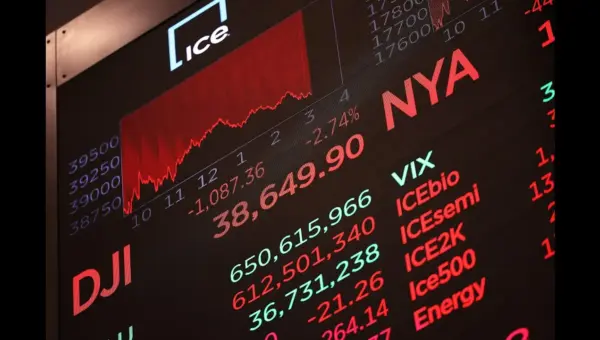
Soaring oil prices are the main driver behind March's inflation spike, not a sign of deeper issues, according to analyst Joseph Travisani. He believes the Federal Reserve will likely hold interest rates steady due to this temporary effect. However, regaining market confidence for oil prices to fall could take time, even if supply routes reopen.

Iran’s Regime: A Stubborn Threat to Global Order
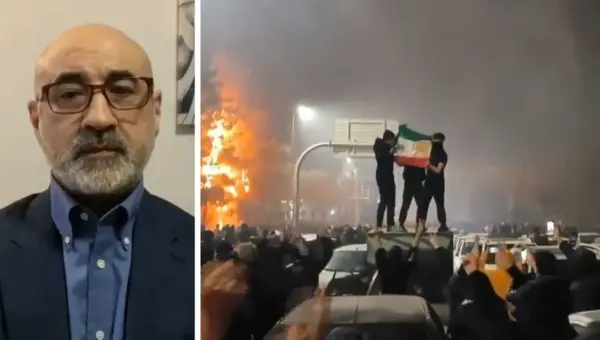
Iran's current regime is compared to a persistent cancer, challenging the global order and unlikely to become a peaceful neighbor. While state media showcases support, half the population opposes the government and faces severe risks for dissent. This internal division and external challenge create a complex and uncertain future.

US Reclaims Moon Lead with Artemis II Splashdown
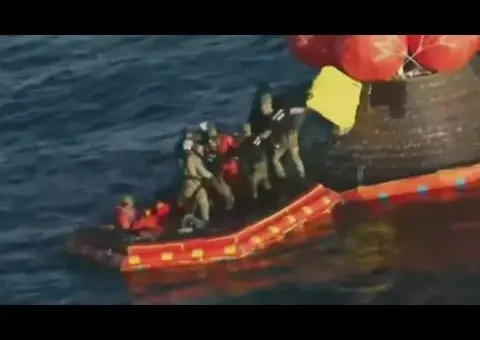
The Artemis II mission's successful splashdown marks a significant return for the U.S. in the race for lunar dominance. Echoing Apollo's legacy, the mission showcases American engineering and renewed commitment to space exploration, setting the stage for future lunar endeavors.