Iran’s Nuclear Ambitions Meet a Hard Reality
A strong assertion suggests Iran's nuclear ambitions are doomed to fail, facing either voluntary disarmament or forceful intervention. This viewpoint underscores the belief that Iran's nuclear path is blocked, despite ongoing international concerns and complex geopolitical factors.

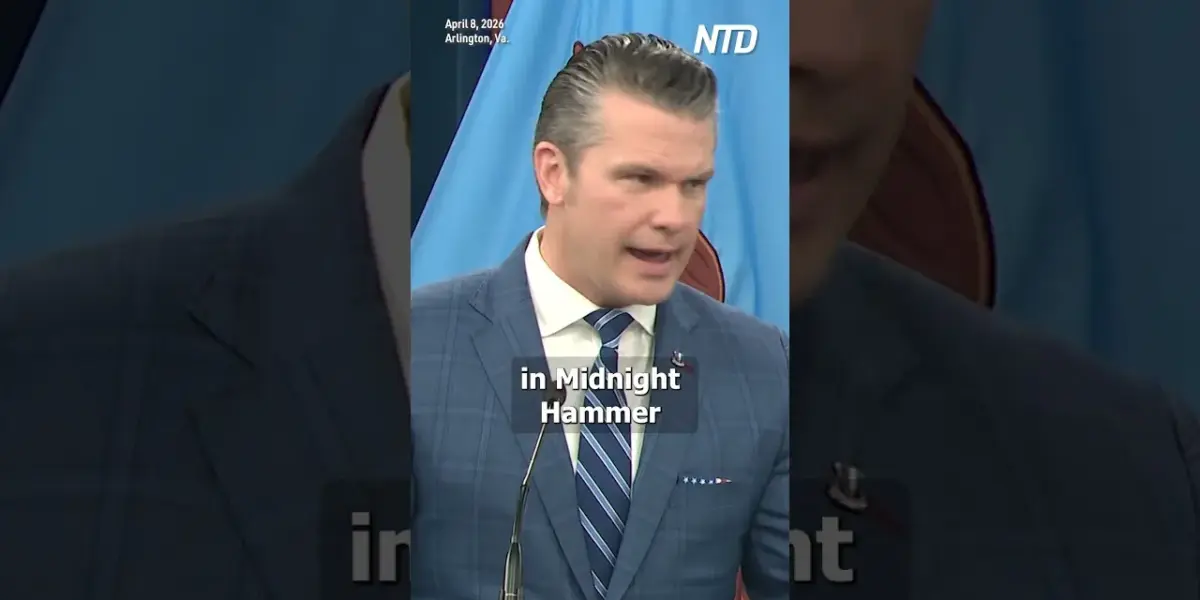
Iran’s Nuclear Ambitions Meet a Hard Reality
The idea of Iran developing nuclear weapons has been a major concern for many years. However, a new perspective suggests that the current Iranian regime understands it will never achieve this goal. This viewpoint argues that Iran’s path to obtaining nuclear weapons is effectively blocked, whether through voluntary surrender of its nuclear materials or through forceful intervention.
The core of this argument is that Iran’s nuclear program is closely monitored. Those who hold this view believe that Iran’s current nuclear capabilities are known and contained. The situation is described as being “buried” but under constant observation. This implies that any significant move by Iran towards weaponization would be detected and addressed.
The Stakes Are High
The United States has laid out a clear policy. This policy suggests that Iran will either voluntarily give up its nuclear materials, or the materials will be taken. The option of forceful action is also on the table. This includes scenarios similar to past military operations, where the U.S. reserves the right to act if necessary.
“The new Iranian regime knows is they’ll never have a nuclear weapon or the capability to get a path to one.”
This statement highlights a strong conviction that Iran’s nuclear aspirations are doomed to fail. It’s not just about preventing Iran from getting a bomb; it’s about the certainty that they will not succeed in their pursuit.
Historical Context and International Scrutiny
Iran’s nuclear program has been a subject of international debate and concern for decades. Following the 1979 revolution, Iran expanded its nuclear research, initially under the Shah and later with a focus on peaceful energy. However, suspicions grew over time that the program might have military aims. This led to intense diplomatic efforts and sanctions aimed at curbing Iran’s nuclear activities.
Agreements like the Joint Comprehensive Plan of Action (JCPOA) in 2015 were designed to prevent Iran from developing nuclear weapons by placing limits on its enrichment activities and requiring international inspections. While the U.S. withdrew from the JCPOA in 2018, international monitoring of Iran’s nuclear sites has continued, albeit with challenges.
Balancing Perspectives
It’s important to acknowledge that this assertive stance on Iran’s nuclear future is not universally shared. Many international relations experts and policymakers view the situation with more caution. They emphasize the complex geopolitical factors and the potential for miscalculation. The possibility of Iran secretly advancing its program or using nuclear brinkmanship as a negotiation tactic remains a concern for many.
The effectiveness of current monitoring and the willingness of international powers to intervene militarily are also debated. Sanctions have had a significant impact on Iran’s economy, but they have not entirely halted its nuclear advancements. The region’s stability hinges on managing these complex issues carefully.
Why This Matters
The control of nuclear weapons is a critical global security issue. If Iran were to acquire nuclear weapons, it could dramatically alter the balance of power in the Middle East. This could trigger a regional arms race, with other countries seeking their own nuclear capabilities. The potential for nuclear conflict, even on a limited scale, is a terrifying prospect.
Furthermore, the ongoing standoff impacts international diplomacy and economic relations. Sanctions and the threat of military action create uncertainty, affecting global energy markets and trade. Resolving the Iranian nuclear issue peacefully and verifiably is therefore a priority for global stability.
Implications, Trends, and Future Outlook
The assertion that Iran knows it cannot obtain a nuclear weapon suggests a potential shift in the long-term strategy of the international community. It implies a confidence in the existing containment measures and deterrence strategies. If this confidence is well-founded, it could lead to a more stable, albeit tense, status quo.
However, the future outlook remains uncertain. Iran’s internal politics and its relationships with global powers will continue to shape its nuclear policy. The trend towards technological advancement in nuclear science means that monitoring and verification will become even more crucial. Any misjudgment or escalation could have severe consequences.
The possibility of renewed diplomatic efforts or a different approach to managing Iran’s nuclear program cannot be ruled out. The international community will need to remain vigilant and adaptable. The goal is to ensure that Iran’s nuclear activities remain peaceful and that the threat of proliferation is managed effectively for the safety of the entire region and the world.
Source: New Iranian Regime Knows It Will Never Have a Nuclear Weapon: Hegseth (YouTube)

Related Articles

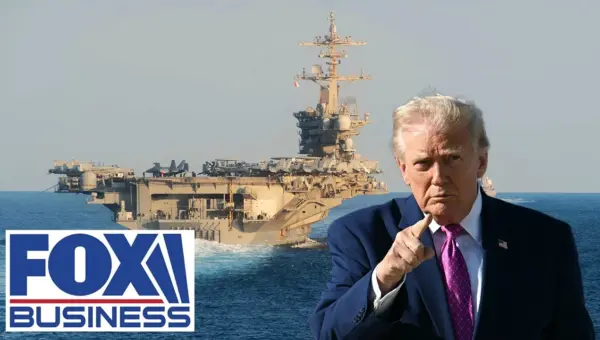
Trump Orders Strait of Hormuz Blockade: Oil Prices Surge
President Trump has ordered a U.S. naval blockade in the Strait of Hormuz, citing Iran's nuclear ambitions and failure to reach a deal in recent talks. The move sent oil prices surging, with Brent crude up over 7% and WTI crude up 8%. Financial markets opened lower amid the heightened geopolitical tensions.

Iran Conflict Shifts Global Alliances, Reshapes World Order
A new analysis of the Iran conflict reveals significant geopolitical shifts, with the U.S. focusing on strategic goals like crippling Iran's missile program rather than regime change. The report highlights Saudi Arabia's role, questions media narratives, and details economic and alliance gains for the U.S. It also explores internal U.S. political divisions and the immigration debate.

Ukraine’s Drones Disrupt Russian Oil, Forge Gulf Ties
The conflict in the Persian Gulf has caused a major oil shortage, boosting prices and creating new challenges for Russia. Meanwhile, Ukraine's advanced drone technology, funded by Gulf investments, is disrupting Russian oil exports and forging new international partnerships.