Illinois Police Facial Scan Ban Sparks Fierce Debate
A controversial Illinois bill seeks to ban police use of facial recognition, sparking a fierce debate between privacy advocates and law enforcement. While proponents argue the tech is vital for solving crimes like murder, opponents fear its invasive potential and lack of transparency.

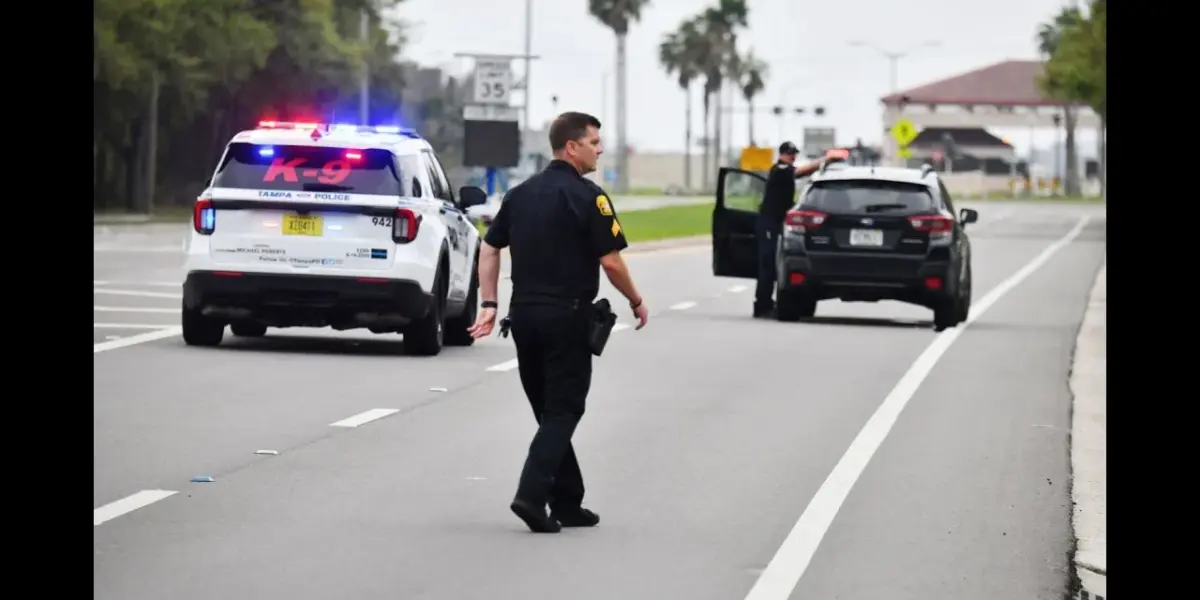
Illinois Police Facial Scan Ban Sparks Fierce Debate
A new bill in Illinois aims to stop police from using facial recognition technology to catch criminals. This proposal has sparked a heated argument, pitting privacy advocates against law enforcement officials who say the technology is crucial for solving crimes.
Privacy Versus Public Safety
State Representative Kelly Cassidy, who sponsored the bill, believes it’s necessary to protect people’s privacy. The ACLU of Illinois supports the measure, arguing that facial recognition and other biometric tools are invasive. They claim these technologies allow authorities to secretly track individuals’ identities, movements, and activities without proper oversight.
The bill, which would restrict police use of facial recognition and similar biometric tools, is designed to create a barrier against what privacy groups see as unchecked surveillance.
The sponsor of the Illinois House bill, State Representative Kelly Cassidy, says the measure is designed to protect privacy. The ACLU of Illinois, which supports the bill, argues biometric technology is invasive and lacks transparency, allowing authorities to track people’s identities, movements, and activities.
Law Enforcement’s Counterargument
However, retired police chief Tom Whitel, now a fellow with the advocacy group Awake Illinois, strongly opposes the bill. He calls it one of the worst pieces of legislation he has seen in years. Whitel argues that blocking law enforcement from using facial recognition software would severely hinder their ability to solve crimes.
He points out that this restriction would apply regardless of where the police get the video footage from. This includes public cameras, doorbell cameras like Ring, or even footage provided by private companies. The bill, as proposed, would take away the ability for every single law enforcement agency in Illinois to use this tool.
Facial Recognition as a Crime-Fighting Tool
Whitel emphasizes the importance of facial recognition technology, comparing its impact on law enforcement to that of DNA analysis. He stated that these two technologies are the most significant advancements in crime fighting over the last 50 years.
He provided a real-world example: the technology was used to help identify a suspect in the murder of Sheridan Gorman, a Loyola University student. Police investigating the crime used city cameras to trace a suspect matching the description to an apartment building. They then used facial recognition software on images from both city cameras and the building’s private system to get a match, which helped move the investigation forward.
My two top pieces of technology that have come into law enforcement in the last 50 years is DNA and this facial recognition software.
Whitel stressed that facial recognition is not used in isolation. Instead, it serves as just one piece of evidence within a larger investigation. He also disputes the idea that the technology is widely used to invade people’s privacy. He believes that banning it would send a message to criminals that they can get away with more crimes.
The Victim’s Perspective
For victims and their families, the priority is seeing arrests made and ensuring that perpetrators cannot harm others again. Whitel stated that when loved ones are murdered or become victims of violent crime, their primary desire is for the police to make an arrest and stop the offender from continuing their violent acts.
Victims and families victims. All they want when their loved ones are either brutally murdered or they’re just a a victim of a violent crime and they survive is they want the police to make an arrest and they want to make sure that the perpetrator isn’t continuing to victimize people over and over again.
Existing Safeguards and Future Outlook
According to Whitel, strict rules already exist in Illinois for how facial recognition technology can be used. He explained that law enforcement must fill out paperwork, submit requests, and provide details about a legitimate case investigation, including case numbers and detective names. This process is required before they can use specialized software or search databases like the Secretary of State’s.
After a match is found, the results are released with a waiver, stating the information can only be used for that specific criminal investigation. Whitel believes Illinois already has one of the strictest privacy laws for biometric data in the nation. The bill is currently stalled in the House Rules Committee, and Whitel hopes it remains there.
Why This Matters
This debate highlights a critical tension in modern society: how to balance the growing capabilities of surveillance technology with the fundamental right to privacy. Facial recognition offers powerful tools for law enforcement, potentially leading to quicker suspect identification and solving serious crimes. However, concerns about its misuse, potential for errors, and the creation of a pervasive surveillance state are significant.
The outcome of this bill in Illinois could set a precedent for other states considering similar legislation. It forces a public conversation about what limits should be placed on government use of advanced technology and who gets to decide those limits. The core issue is determining where the line should be drawn to ensure public safety without sacrificing civil liberties.
Implications, Trends, and Future Outlook
The trend towards increased use of AI and biometric technology in public safety is undeniable. Facial recognition is just one example, with other technologies like predictive policing algorithms and advanced data analysis also being explored. The challenge for policymakers is to keep pace with these rapid technological advancements.
If Illinois bans or severely restricts facial recognition, it could lead other states to follow suit, pushing for stronger regulations. Conversely, if the technology’s use is upheld or expanded, it may encourage wider adoption, but also increase calls for more transparency and accountability measures.
The future likely involves a push for clearer guidelines, independent oversight, and perhaps even new forms of auditing for these technologies. Striking the right balance will require ongoing dialogue between technology developers, law enforcement, civil liberties groups, and the public.
Historical Context and Background
The conversation around government surveillance isn’t new, but the tools have evolved dramatically. Historically, law enforcement relied on traditional methods like witness testimony, physical evidence, and manual record-keeping. The advent of digital technology, and particularly AI, has transformed these capabilities.
Facial recognition technology itself has been around for decades, but its accuracy and accessibility have exploded in recent years due to advances in computing power and machine learning. This rapid development has outpaced many legal and ethical frameworks, creating the current situation where new legislation is urgently needed to address its implications.
Source: Illinois Bill Targets Police Facial Recognition Tech (YouTube)

Related Articles

Student Journalist’s Data Shared With ICE After Campus Protest
A British student journalist at Cornell University, Amandla Thomas Johnson, is reportedly in hiding after his personal data was handed over to ICE by Google. The transfer occurred via an administrative subpoena, raising serious concerns about digital privacy and government surveillance powers.

Government Shifts Focus: Is This a New Era of Surveillance?
A $500 million plan for a new domestic terrorism unit has sparked debate. Critics fear it could lead to surveillance of left-leaning individuals, despite statistics showing right-wing extremism as a larger threat.


Trump Health Scare Sparks Probe into Medical Records
An urgent investigation has been launched into Donald Trump's medical records following a recent health scare. The probe aims to uncover how private health details were exposed and whether privacy laws were violated. This situation highlights the critical need for robust data security and patient confidentiality, even for public figures.