Trump Halts Iran War Amidst Ceasefire Questions
President Trump has declared a two-week ceasefire in the conflict with Iran, pulling U.S. forces back from the brink of war. However, the effectiveness and terms of this agreement are immediately being questioned amidst reports of ceasefire violations and ongoing Iranian assertiveness in the Strait of Hormuz.


Trump Declares Ceasefire in Iran Conflict
President Donald Trump announced a two-week ceasefire in the conflict with Iran, pulling the U.S. back from the brink of a war he initiated. This move follows weeks of escalating tensions and what critics have described as extreme threats against Iran’s civilization. However, the details and effectiveness of this agreement are already facing scrutiny.
Questions Linger Over Ceasefire Terms
While Trump and his allies have claimed military objectives were met, independent reporting and on-the-ground developments suggest a more complex reality. The war is not definitively over, and key issues like energy security and Iran’s long-term weapons capabilities remain unresolved. The current situation is best described as a ceasefire, with many viewing it as a preferable alternative to continued escalation.
Ceasefire Violations Emerge on Day One
Almost immediately after the announcement, reports indicated potential violations of the truce. Israel resumed attacks on Lebanon, which Iran cited as a breach of the ceasefire. In response, there are claims that Iran has moved to close the Strait of Hormuz, a critical waterway for global oil transport. The Associated Press reported that Iran also accused the U.S. of violating the truce, casting doubt on upcoming talks scheduled to begin as early as Friday.
Iran’s Assertiveness in the Strait of Hormuz
Further complicating the situation, the Iranian Navy was reportedly attempting to restrict traffic in the Strait of Hormuz on the day of the ceasefire announcement. The Journal reported that ships were being warned to seek permission from the Iranian Navy before passing through, with threats of destruction for non-compliance. This indicates Iran’s intention to continue asserting control over the vital waterway, a significant departure from what Trump had claimed just 24 hours prior.
Market Reactions and Long-Term Outlook
The news of the potential reopening of the Strait of Hormuz did lead to a temporary drop in oil prices, falling below $100 a barrel. However, the ongoing restrictions raise questions about whether the strait will be meaningfully reopened for the long term. If Iran continues to control traffic, oil prices could rise again, impacting global energy markets.
Past Threats and Shifting Deadlines
This ceasefire follows a period of intense rhetoric, including extreme threats made by Trump on Easter morning, promising war crimes if Iran did not comply. These threats drew significant concern across the Middle East and internationally. Politico reported that despite these threats, Iran’s leadership structure remains intact, with hard-liners now in control following the replacement of targeted leaders.
Sanctions and Nuclear Concerns
Some sanctions against Iran have been lifted, and enriched uranium has reportedly been transferred to the United States. However, critics point to unmet objectives, such as Iran’s nuclear facilities and ballistic missile programs. They also note that Iran still seeks control over the Strait of Hormuz, despite never having had full control previously. These outstanding issues lead many to believe that the current situation is far from a lasting peace.
Expert Analysis on Trump’s Approach
Ambassador Dennis Ross, a veteran diplomat with experience in Middle East peace negotiations, offered critical insights. He questioned the administration’s communication strategy, stating there was a lack of clear explanation to the American public about the necessity of the conflict and the ongoing threats. Ross emphasized the need for transparency regarding diplomatic efforts and the reasons behind military actions.
MAGA Pushback and Political Criticism
The situation has also highlighted a growing pushback within Trump’s own base, with some traditionally conservative voices expressing skepticism about intervention in the Middle East. Critics, including those from the right, have voiced concerns about Trump’s inflammatory language and his threats of war crimes. This internal dissent adds another layer of complexity to the administration’s foreign policy decisions.
Broader Implications for U.S. Credibility
The inconsistent messaging and shifting deadlines surrounding the Iran conflict raise concerns about the credibility of the United States on the global stage. Even as the immediate threat of large-scale war may have receded, the handling of the situation leaves lingering questions about U.S. foreign policy and its ability to secure lasting stability in the region. Gulf states, in particular, are reportedly grappling with how to coexist with an emboldened Iran that retains significant strategic leverage.
Looking Ahead
As the ceasefire enters its crucial early days, the world will be watching closely to see if Iran adheres to its commitments and if the Strait of Hormuz is truly reopened. The upcoming talks, if they proceed, will be a key indicator of whether diplomatic progress can be made. The long-term implications for regional stability and U.S. foreign policy will depend on the ability to address the core issues that led to the conflict in the first place.
Source: Why Trump BACKED DOWN on Iran as MAGA revolts: Melber x Ross (YouTube)

Related Articles
U.S. Readies Military Might as Iran Tensions Spike
U.S. military readiness is heightened as tensions with Iran escalate, particularly concerning the Strait of Hormuz. While diplomatic channels are being explored, the potential for military action looms. The crisis has significant implications for global energy security and regional stability.
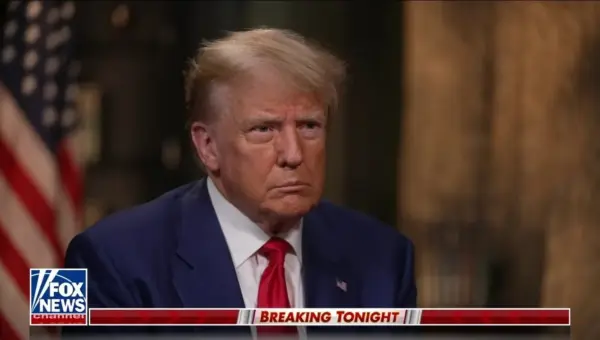
Trump’s Fox Interview Reveals Reckless Global Threats, Economic Risks
Donald Trump's recent Fox interview revealed alarming threats against Iran and questionable economic predictions. He discussed potentially destroying Iran's infrastructure and acknowledged the economic risks, yet also claimed current economic success. The interview highlights concerns about his foreign policy and economic judgment.
Trump Orders Strait of Hormuz Blockade; Oil Prices Surge
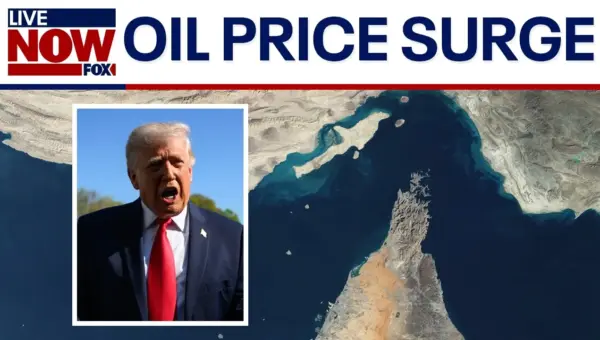
President Trump announced an immediate blockade of the Strait of Hormuz, a vital global oil chokepoint, following failed Iran negotiations. This move has triggered an $8-$9 surge in oil prices, with experts warning of further increases in gasoline and diesel costs worldwide. The blockade raises concerns about global supply and potential inflation.