US-Iran Ceasefire: Who Really Won This Round?
A recent ceasefire between the US and Iran has both nations claiming victory, but the reality is far more complex. While Iran emphasizes survival as a win, the US points to weakened military capabilities. The conflict highlights differing strategic goals and has global implications.

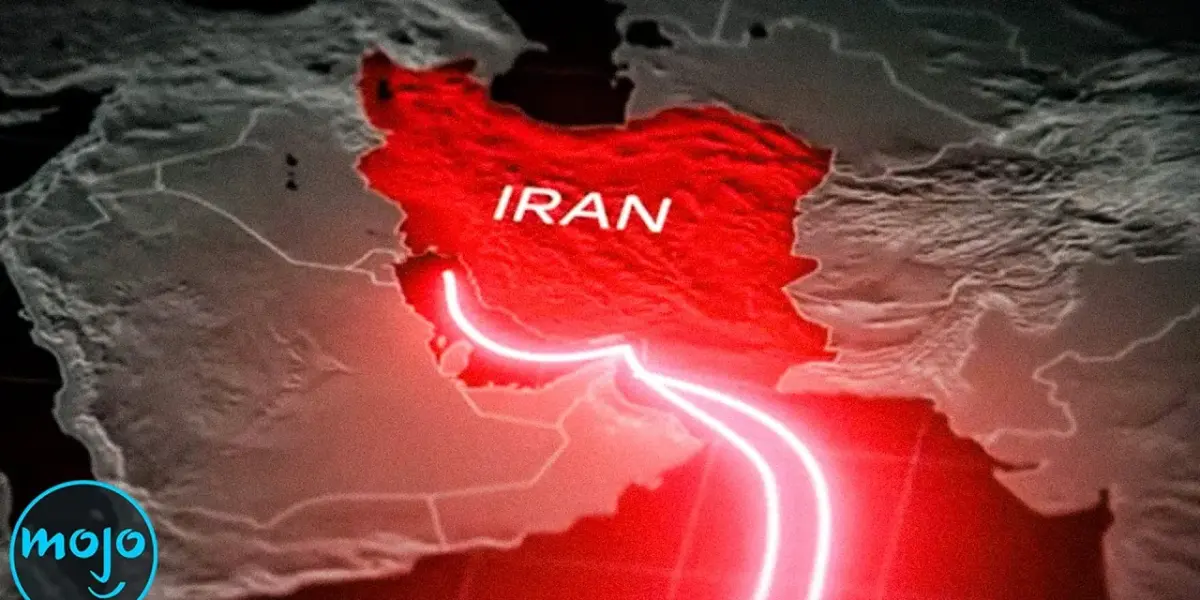
US Claims Victory as Iran Ceasefire Sparks Debate
The recent ceasefire between the United States and Iran has sent ripples through the global political scene, with both nations claiming victory. While the immediate fighting has slowed, the deeper meaning and long-term effects are far from clear, leaving many to wonder who truly came out ahead. This agreement, announced after weeks of intense conflict, is being viewed differently by Washington and Tehran, highlighting the complex nature of international relations and perception.
Iran’s Narrative: Survival as Victory
On the surface, Iran has a strong case for claiming success. The Islamic Republic did not collapse or surrender, which are often key goals in such conflicts. Instead, after facing significant pressure, Iran managed to negotiate a ceasefire. This outcome allows Tehran to present itself as a resilient force that endured international pressure and achieved its objectives. For regimes built on a foundation of resistance, simply surviving and continuing to exist is often seen as a major win.
A key point in Iran’s favor is the reported agreement to temporarily open the Strait of Hormuz. While presented as a concession, this also implies Iran’s continued control over this vital waterway. The ability to open and potentially re-close the strait gives Iran significant leverage. Furthermore, Iran is reportedly seeking to maintain its right to enrich uranium and achieve the lifting of sanctions, with no mention of its previously stated enriched uranium stockpile, which was a stated reason for the conflict.
America’s Angle: Strategic Gains and Deterrence
The United States, on the other hand, is framing the ceasefire as a broader strategic victory. President Trump has called it a “total and complete victory,” with senior officials stating that Iran’s military capabilities, including air defenses and naval assets, were significantly weakened during the conflict. The U.S. argument is not that Iran was eliminated, but rather that its capacity to act was reduced, its options limited, and it was forced into a more constrained strategic position.
From Washington’s perspective, the goal was to degrade Iran’s military power and send a message to rivals like China and Russia. The U.S. military has signaled its readiness to resume fighting if diplomacy fails. This approach suggests that while Iran’s leadership survived, it is now weaker and more vulnerable. This allows America to claim success in the long-term strategic contest, even if the immediate optics favor Iran.
A War of Different Objectives
The core of this situation lies in the fact that both sides were fighting different wars with distinct objectives. For Iran, the conflict was about survival, legitimacy, and maintaining its narrative of resistance. The regime needed to demonstrate that it could withstand external threats and remain standing. This is a crucial element for its domestic audience, including its supporters and security apparatus.
For the United States, the objectives were broader and more focused on long-term strategy. These included deterrence, containment, regional signaling, and applying strategic pressure. The U.S. aimed to weaken Iran’s influence and capabilities without necessarily seeking immediate regime change. This fundamental difference in goals explains why both nations can credibly claim victory without appearing entirely unreasonable.
Global Repercussions and Key Players
The ceasefire also has significant implications for other global players. Pakistan, which played a central role in mediating the talks, has seen its diplomatic stature grow. The nation is now hosting further discussions, positioning itself as a key mediator in the conflict.
China also appears to have benefited quietly. President Trump suggested that China helped push Iran toward negotiations. Beijing now has an opportunity to demonstrate its ability to maintain global standing without direct military involvement. As a major buyer of Iranian oil and a key economic partner, China’s role is significant.
Russia, however, seems to have been sidelined in this particular conflict. While Moscow welcomed the ceasefire, its influence on the outcome appears limited, leading it to pivot back to its own concerns, such as the situation in Ukraine.
Israel’s Role and Lingering Questions
The situation is further complicated by Israel’s involvement. While Israel has agreed to a ceasefire regarding Iranian targets, its operations against Iranian-backed groups in Lebanon have continued. This highlights the complex and often intertwined interests between the U.S. and Israel in the region.
The conflict has also brought to the forefront persistent questions for Washington: How deeply should America support Israel? And what truly constitutes an “America First” policy in a Middle East conflict that risks wider instability, affecting shipping lanes and oil prices? These questions remain pressing, even with the temporary pause in hostilities.
The Domestic Front
Domestically, the ceasefire has become another point of contention within the U.S. political landscape. Supporters of President Trump view the outcome as proof that military pressure led to successful diplomacy. Critics, however, see it as a pattern of aggressive rhetoric followed by a tactical retreat.
This division underscores the ongoing debate within the Trump administration regarding foreign policy and the nation’s credibility on the global stage. The events surrounding this ceasefire are now part of that larger domestic struggle.
An Uncertain Future
Ultimately, the U.S.-Iran ceasefire provides a much-needed reprieve, pulling the world back from the brink of further escalation. However, it is not a definitive end to the hostilities. The temporary nature of the pause means that both sides are working to shape the narrative and lock in their perceived victories.
Whether this ceasefire will translate into a durable and permanent peace remains uncertain. The underlying issues that fueled the conflict have not been resolved, and the Iranian people continue to face hardship. The world watches closely as this politically slippery agreement unfolds, with the hope that it can lead to a more stable future for the region.
Source: The US-IR Ceasefire And Its Effect On America Explained (YouTube)

Related Articles


Vance’s Failed Diplomacy Could Doom His Political Future
Senator JD Vance's recent diplomatic mission in Pakistan ended in failure, raising questions about his political future. The situation highlights complex geopolitical tensions, potential strategic missteps by Donald Trump, and significant economic implications for global energy markets.

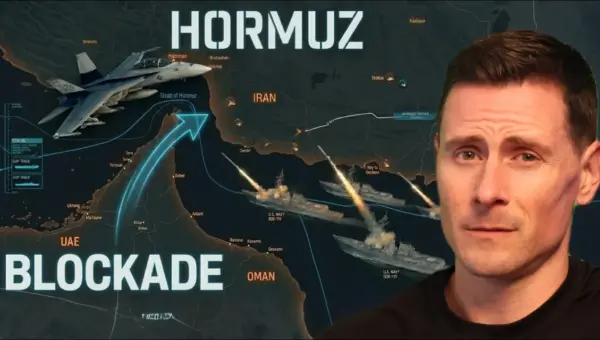
US Navy Blockades Strait of Hormuz After Talks Collapse
The U.S. Navy has launched a naval blockade of the Strait of Hormuz after critical ceasefire talks with Iran collapsed. This move follows accusations of Iranian "extortion" through alleged mine-laying and toll collection in the vital shipping lane. The operation aims to ensure global energy flow and challenge Iran's control over the waterway.


Ukraine Offers Combat Expertise in Middle East War
Ukraine is leveraging its extensive combat experience to offer air defense expertise and drone technology to nations involved in the Middle East conflict. This move aims to forge new alliances, secure economic benefits, and bolster its global standing, despite facing rejections and internal challenges.