Invest in Real Estate: A 10-Year Path to Freedom
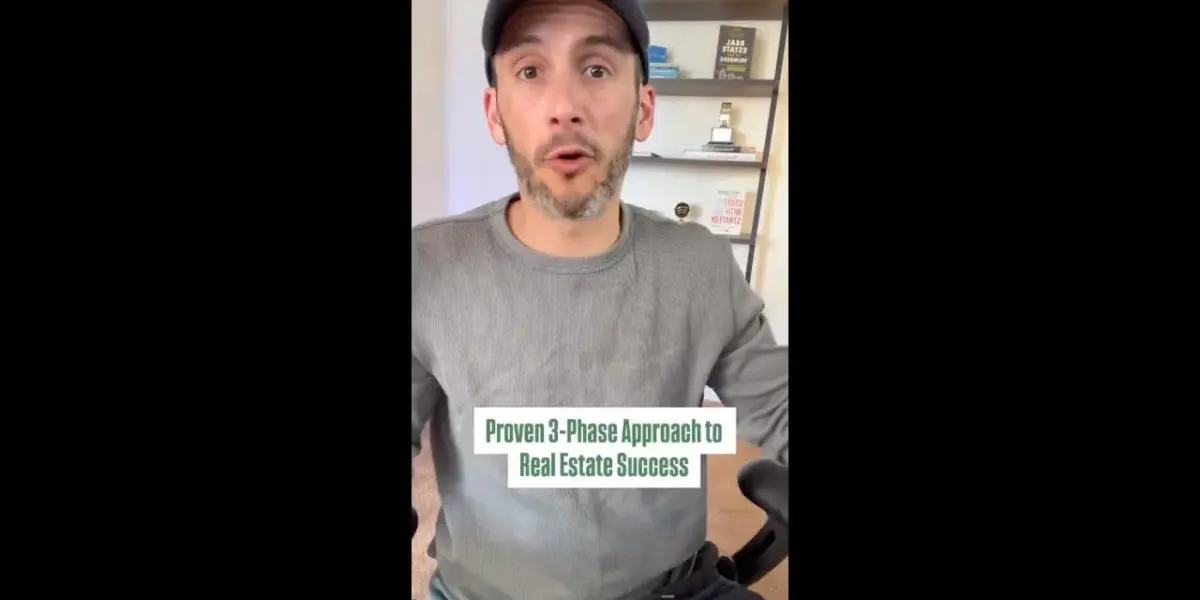
Discover a proven 10-year strategy to build wealth through real estate. This three-phase approach guides investors from their first deal to achieving financial freedom through consistent effort and smart portfolio growth.

Invest in Real Estate: A 10-Year Path to Freedom
Building wealth through real estate investing doesn’t require complex strategies or insider knowledge. A proven, three-step approach can guide aspiring investors toward financial freedom. This method focuses on a steady, decade-long commitment to learning, growing, and eventually enjoying the rewards. It’s a strategy that works regardless of economic ups and downs or specific market choices.
The Three Phases of Real Estate Success
This reliable framework, developed by real estate investor Chad Carson, outlines a traditional journey for anyone aiming to build a lasting income from property. It requires capital for an initial purchase and a willingness to put in consistent effort over time. The entire process is designed to move an investor from active participation to a more passive, income-generating lifestyle.
Phase 1: Landing Your First Deal (Years 1-2)
The first step is all about getting started. This phase involves learning the ropes of the real estate market. You’ll spend time networking with other investors and professionals. Finding potential properties, known as ‘deal flow,’ becomes a key activity. The goal is to secure your first investment property. This initial learning and acquisition period might take one to two years. Successfully closing on a solid first deal puts you firmly on the path to future success.
Phase 2: Scaling Your Portfolio (Years 3-8)
Once you have your first property, the focus shifts to growth. This is where the real hustle begins. You’ll need to save aggressively to fund more acquisitions. Finding investment partners can help pool resources and manage risk. Many investors use ‘value-add’ strategies during this phase. This means buying properties that need improvements and increasing their worth through renovations or better management. Doing this for five to seven years will build significant equity and experience.
Phase 3: Harvesting Your Investments (Year 10+)
After about a decade of dedicated effort, real estate investing becomes much easier and more enjoyable. This is the ‘harvest’ phase. You start to benefit from the equity and cash flow generated by your properties. Common strategies include paying down existing mortgage debt. You might also ‘prune’ your portfolio by selling underperforming assets. Investing in passive real estate funds or becoming a private lender are other options. Essentially, you’re using the wealth you’ve built to create a lifestyle that replaces your active income.
A Long-Term Vision
The true power of this framework lies in its long-term perspective. It emphasizes that consistent effort over roughly 10 years leads to lasting financial benefits. This approach is more important than short-term market fluctuations or economic conditions. It’s a marathon, not a sprint. While it requires work and an entrepreneurial mindset, the rewards can last a lifetime. This strategy is ideal for those looking to build substantial wealth and achieve financial independence through property ownership.
Who This Impacts
This long-term, phased approach is particularly beneficial for new and intermediate investors. It provides a clear roadmap, reducing the feeling of being overwhelmed by the market. Buyers looking for a sustainable way to build wealth will find this method practical. Sellers who have built equity over time can leverage this strategy to transition into more passive income streams. Investors focused on steady growth rather than quick profits will appreciate the structured nature of this plan.
Understanding Key Concepts
To succeed in real estate, understanding basic terms is helpful. Equity is the difference between what a property is worth and what you owe on it. Think of it like the part of your house you truly own. Cash flow is the money left over from rental income after paying all operating expenses and mortgage payments. It’s like the profit you make each month from a rental property. Value-add investing means buying a property that isn’t performing well and making improvements to increase its rental income or resale value.
The Broader Economic Context
While this strategy focuses on the investor’s actions, broader economic factors play a role. Interest rates affect borrowing costs, influencing how much investors can afford to buy and the potential cash flow from rentals. Inventory levels—the number of homes for sale—impact property prices and competition. Economic growth can boost demand for housing, while downturns might lead to slower appreciation or increased vacancies. However, this 10-year plan is designed to weather these cycles by focusing on fundamental value and consistent growth.
Source: PROVEN 3-Step Real Estate Success 🚀 (YouTube)

Related Articles


Inflation Surge Threatens Housing Market Stability
Inflation is surging again, with prices jumping significantly in a single month. This rise, driven by oil and shipping costs, is expected to keep mortgage rates high and slow down the housing market. Consumers and investors alike will feel the financial pressure.


Young Buyers: Buy Two Homes Before 30
Young buyers can acquire two homes before age 30 using a strategy that leverages low down payments and rental income. This method turns a first-time buyer's residence into an investment property, generating cash flow while securing a second home.


Buy This First Rental Property in 2026
Aspiring real estate investors should focus on single-family homes or small multi-family units needing light cosmetic work for their first rental property. Key strategies include targeting C-class neighborhoods, avoiding major repairs, and adhering to the 1% rule for cash flow.