Iran Mocks US After Ceasefire Deal Collapses
A fragile ceasefire deal between the U.S. and Iran has collapsed, leading to Iran taunting the United States. Despite U.S. pronouncements of a deal, Iran claims key clauses were violated, including a ceasefire in Lebanon and its right to enrichment. This failure highlights diplomatic disarray and could embolden Iran's strategic actions.

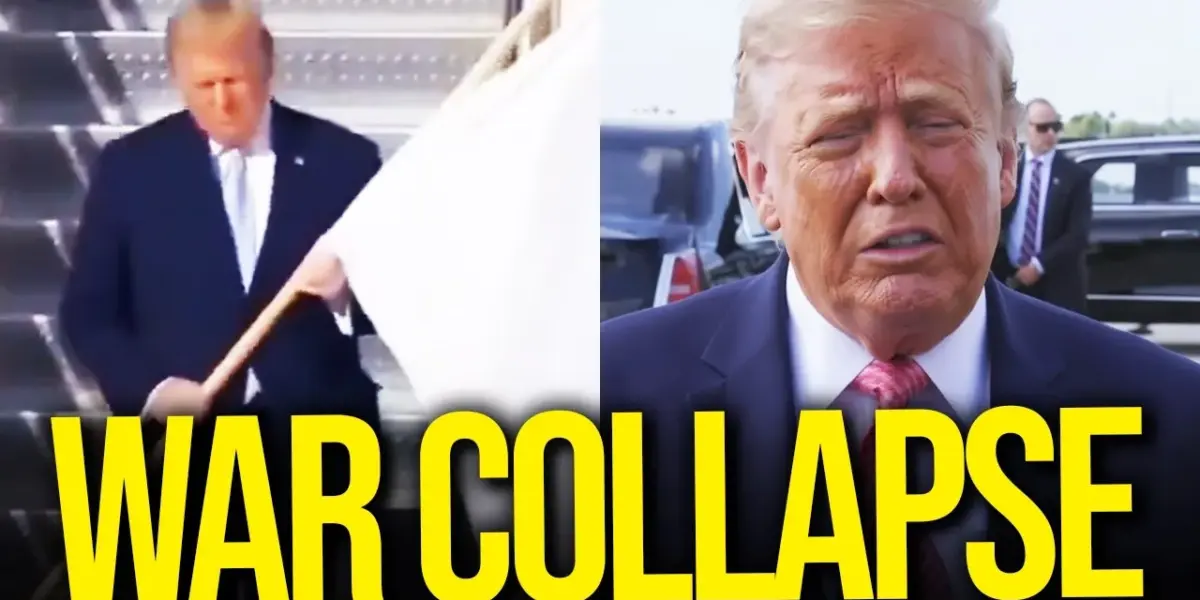
Iran Mocks US After Ceasefire Deal Collapses
The United States finds itself in a deeply embarrassing position following the swift collapse of a ceasefire deal with Iran. What was announced with great fanfare by Donald Trump has quickly fallen apart. Iranian state media is now openly taunting the U.S., highlighting the perceived weakness and disarray in American foreign policy. Meanwhile, a U.S. senator, JD Vance, was in Hungary, seemingly unaware of the full extent of the crisis, calling it a ‘small misunderstanding’ while a ceasefire was clearly no longer in effect.
A Deal Gone Wrong
The situation rapidly deteriorated. While the U.S. appeared to cease firing, Israel continued bombing Lebanon. Hezbollah, a group in Lebanon, responded in kind. Iran also continued its own actions throughout the night. This suggests that different groups within Iran had conflicting views on the proposed deal. Some factions seemed open to the 10-point plan as a starting point for further talks. Others disagreed, viewing it as an unacceptable framework for future negotiations.
Donald Trump himself expressed frustration, stating the 10-point plan he agreed to was not the same one Iran was discussing. This indicates a significant breakdown in communication and trust, pushing the situation back to square one. Iran still possesses enriched uranium, and the country is profiting by controlling the Strait of Hormuz, a vital shipping lane.
The deep historical distrust we hold towards the United States stems from its repeated violations of all forms of commitments, a pattern that has regrettably been repeated.
– Speaker of Iran’s Parliament
Iran’s Grievances
While Iran is generally not considered a trustworthy regime, the U.S. has made significant errors that make Iran’s current complaints understandable. The Speaker of Iran’s Parliament, Galibbah, released a statement detailing specific violations of the proposed 10-point plan. He pointed out that the U.S. has a history of breaking promises, and this instance is no different.
According to Iran, the U.S. failed to adhere to three key parts of the deal. First, the ceasefire in Lebanon was not honored, despite Prime Minister Shabbaz Sharif reportedly declaring an immediate ceasefire everywhere. Second, an intruding drone entered Iranian airspace and was destroyed, violating a clause that prohibited further airspace breaches. Third, and perhaps most significantly, Iran’s right to enrich uranium, a point included in the sixth clause, was denied. Iran argues that these violations occurred even before formal negotiations could begin, making any ceasefire or further talks unreasonable.
Implications and Future Outlook
Iran’s withdrawal from the talks sends several clear messages. Donald Trump’s aggressive threats did not intimidate Iran, as evidenced by their continued control of the Strait of Hormuz. Furthermore, the U.S. has now, in Iran’s view, legitimized the tactic of controlling key passageways as a bargaining chip in negotiations. This could set a dangerous precedent, where holding vital routes hostage becomes a standard warfare tactic in future conflicts.
JD Vance’s Perspective
Senator JD Vance, speaking from Budapest, downplayed the seriousness of the situation. He suggested a ‘legitimate misunderstanding’ rather than a complete collapse of the deal. Vance stated that Iran believed the ceasefire included Lebanon, but the U.S. never made that promise. He also mentioned that Israel had offered to show restraint in Lebanon to help the negotiations succeed, an effort he saw as the Israelis trying to ensure success.
However, this perspective clashes with the strong statements coming from Iran and the reality on the ground. Critics point out the contradiction in Vance’s position: he often labels Iran as untrustworthy and a terrorist state, yet he readily accepts their claims of a ‘legitimate misunderstanding.’ This also highlights a perceived lack of control the U.S. has over Israeli actions, despite claims of alliance.
Historical Context and Background
This situation is not entirely new. Relations between the U.S. and Iran have been tense for decades, marked by mistrust and shifting agreements. Past U.S. administrations have also struggled to find stable ground with Iran. The current events echo previous instances where promises were made and broken, leading to escalating tensions. The mention of multiple ’10-point proposals’ floating around suggests a chaotic and possibly unprofessional approach to diplomacy, with one proposal even jokingly suggested to be written by AI.
Why This Matters
The collapse of this ceasefire is more than just a diplomatic failure; it has serious consequences. It demonstrates a failure of American leadership to effectively manage international relations and de-escalate conflict. Iran’s taunting and continued strategic actions, like controlling the Strait of Hormuz, show a country that feels empowered by perceived U.S. weakness. This situation could lead to increased regional instability, further conflict, and a loss of U.S. credibility on the global stage. The tactic of holding vital shipping lanes hostage, if legitimized, could have far-reaching economic and security implications worldwide.
Future Outlook
The immediate future looks grim. Iran has effectively pulled out of negotiations, and the U.S. appears to be scrambling to understand what went wrong. The ongoing conflict in Lebanon and the continued tensions in the region suggest that the situation is likely to worsen before it improves. The U.S. must urgently re-evaluate its diplomatic strategy, rebuild trust, and demonstrate consistent leadership to prevent further escalation and regain its standing in international affairs. The current approach, marked by public pronouncements and apparent disorganization, is not serving the interests of peace or American security.
Source: Iran Taunts Trump As Deal Dies (YouTube)

Related Articles
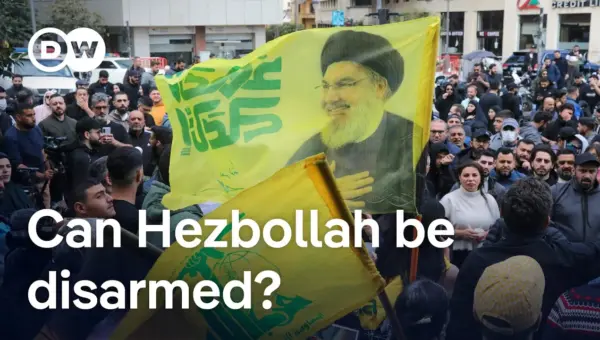
Israel, Lebanon Eye Ceasefire Talks on Hezbollah
Ceasefire talks between Israel and Lebanon, brokered by the U.S., are set to begin in Washington to address the demobilization of Hezbollah. The group's dual role as a political party and powerful militant force, deeply integrated into Lebanese society and backed by Iran, presents significant challenges to disarmament efforts. Analysts suggest a lasting resolution is unlikely in the near future.
Trump Pivots to Business with Iran Amidst Global Chaos
Amidst confusing reports from Iran, Donald Trump has shifted focus to a potential business deal involving the Strait of Hormuz. His suggestion of a "joint venture" with Iran has drawn criticism for prioritizing potential personal profit over complex geopolitical issues.
Iran’s Ultimatum Shakes US Diplomacy, Fuels Global Instability
Iran's refusal to attend crucial talks in Pakistan, demanding adherence to a prior 10-point framework, has triggered a diplomatic crisis. The standoff, coupled with escalating threats and economic fallout, highlights global instability and raises serious questions about international relations and accountability.