US Threats Against Iran: Moral High Ground in Question
Presidential threats to destroy Iran's civilization have sparked a fierce debate about America's moral standing. Supporters argue such rhetoric is justified retaliation, while critics fear it mirrors the aggression the US condemns. This language risks eroding global trust and increasing international tensions.


US Policy Under Fire: Threats Against Iran Spark Debate
Presidential threats to destroy entire civilizations raise serious questions about America’s moral standing on the world stage. This intense debate centers on recent actions and rhetoric directed at Iran. The core issue is whether such aggressive language undermines the United States’ claim to moral leadership.
Examining the President’s Rhetoric
The controversy ignited when the president reportedly threatened to destroy Iran’s “civilization.” This was not a reference to the government alone, but to the Iranian people and their culture. Critics argue that making such broad threats directly challenges America’s ability to maintain the moral high ground in international relations.
A Counterargument: Retaliation and National Security
Supporters of the administration’s stance point to a long history of actions by the Iranian regime. They highlight the military operations conducted against what they describe as a “rogue Islamic regime.” This regime has allegedly chanted “death to America” for nearly five decades. Furthermore, they claim this regime has been responsible for the deaths and injuries of thousands of American soldiers over the past fifty years.
From this perspective, the president possesses the moral high ground. They view any suggestion otherwise as deeply insulting. The argument is that the United States is acting in self-defense against a persistent and violent adversary. This makes the president’s actions, however strong, justifiable responses to ongoing threats.
The Reporter’s Rebuttal: A Slippery Slope
However, a different viewpoint emphasizes the danger of such extreme rhetoric. Critics worry that the United States is adopting the very behavior it condemns in other nations. By threatening to end an entire civilization, the US risks losing its moral authority. This perspective suggests that when America makes such threats, it loses its standing to criticize other countries for their own aggressive stances.
This line of reasoning draws a parallel between the US and the Iranian regime. The concern is that America is becoming like the “religious fanatical regime” it opposes. The worry is that if the US is willing to threaten nuclear annihilation or the destruction of a civilization, how can it deny such capabilities to others? It suggests a dangerous mirroring of aggressive tactics.
Historical Context: Decades of Tension
The relationship between the United States and Iran has been fraught with tension for decades. Following the 1979 Iranian Revolution, relations soured significantly. The subsequent seizure of American hostages and the rise of a strongly anti-American government created a lasting rift.
Throughout the intervening years, both nations have engaged in actions that have heightened tensions. Iran has supported militant groups and engaged in proxy conflicts, while the US has imposed sanctions and, at times, engaged in covert operations. This long history of animosity provides a backdrop to the current debate over presidential rhetoric.
Why This Matters
The language used by leaders in international diplomacy carries immense weight. When the US, a global superpower, threatens the destruction of a nation’s civilization, it sets a dangerous precedent. It can embolden other nations to adopt similar rhetoric and actions. This escalates global tensions and increases the risk of conflict.
Moreover, America’s moral authority is a crucial aspect of its global influence. When perceived as hypocritical or overly aggressive, this influence wanes. Other countries may be less willing to cooperate with the US on shared challenges, from counter-terrorism to climate change. Maintaining a consistent commitment to international law and human rights, even in the face of provocation, is vital for long-term stability and American leadership.
Implications and Future Outlook
The debate highlights a fundamental tension in foreign policy: the balance between strong deterrence and maintaining ethical standards. How leaders choose their words can have immediate and long-lasting consequences. It shapes perceptions, influences alliances, and can either de-escalate or inflame international crises.
Looking ahead, the way in which such rhetoric is wielded will continue to be a critical factor in international relations. The challenge for policymakers is to project strength and protect national interests without sacrificing the principles that underpin America’s global standing. The risk of miscalculation or unintended escalation remains high, making careful consideration of every word paramount.
Source: Karoline Leavitt Defends Trump After Iran “Civilization” Threat #politics #fyp #new (YouTube)

Related Articles

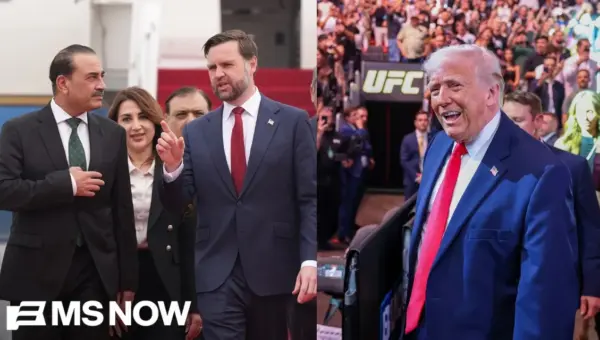
Trump Attends UFC Fight Amidst Iran Peace Talks Collapse
President Trump attended a UFC fight in Miami while high-stakes negotiations with Iran reportedly collapsed. His presence at the event, along with a brief meeting with Joe Rogan, has drawn criticism for appearing to prioritize entertainment over critical diplomacy.

Pope Condemns War, Stands Firm Against US Aggression
Pope Leo XIV has publicly condemned war crimes and aggressive U.S. policies, canceling a planned visit due to alleged threats. His strong stance emphasizes compassion and rejects the justification of violence in the name of religion, drawing parallels to historical papal struggles for independence.
US-Iran Peace Talks Collapse Amid Nuclear Standoff
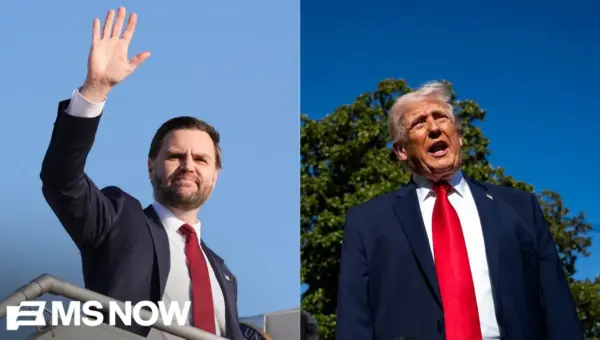
High-level peace talks between the United States and Iran have collapsed, with Vice President J.D. Vance announcing no agreement was reached after 21 hours of discussions. The primary sticking point was Iran's nuclear ambitions, with the U.S. seeking a clear commitment against developing nuclear weapons. Despite the failure, the historic nature of the meeting and the continuation of a fragile ceasefire offer a sliver of hope for future diplomacy.