US Pushes Iran on Nuclear Deal Amid Ceasefire Talks
U.S. officials are pressing Iran to make concrete steps towards a nuclear deal, emphasizing that progress depends on Tehran's willingness to offer concessions. While a ceasefire is being pursued, its success and any broader agreement hinge on Iran's verifiable actions, especially concerning its nuclear ambitions.

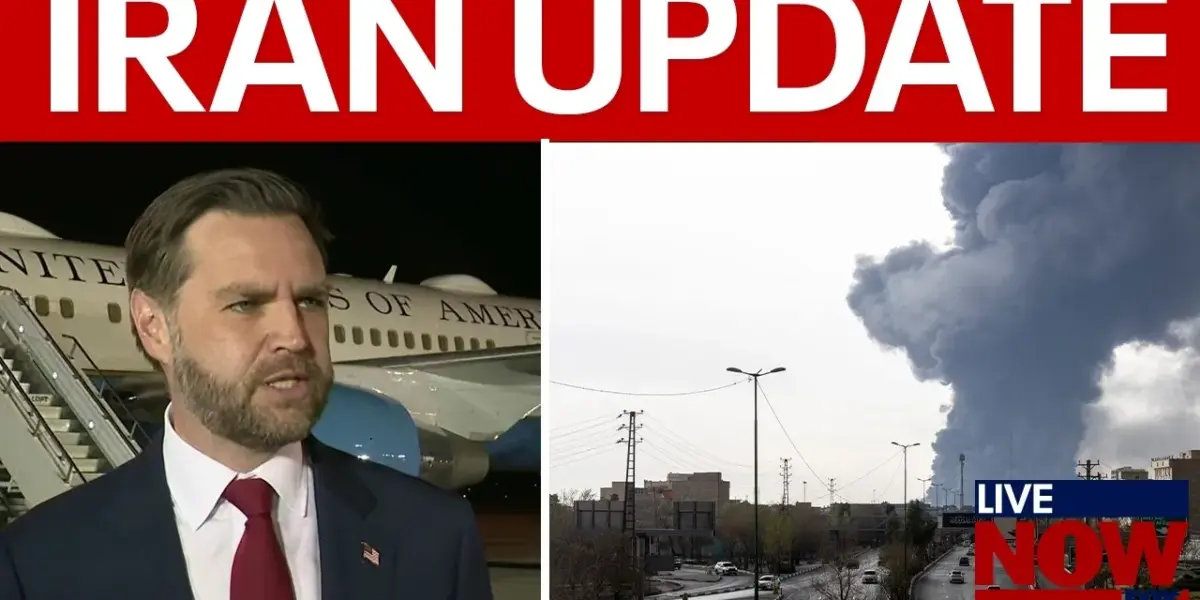
US Negotiators Press Iran for Nuclear Deal Progress
The United States is urging Iran to take critical steps toward a nuclear deal, emphasizing that progress hinges on Tehran’s willingness to make concessions. Speaking recently, U.S. officials highlighted that while a ceasefire in the region is being pursued, its success and any broader agreement depend on Iran’s commitment to verifiable actions.
Ceasefire Progress and Potential Obstacles
Negotiations are underway to establish a ceasefire, with signs suggesting some positive movement. There are indications that shipping lanes are beginning to reopen, and oil prices have seen a decrease, reflecting market confidence in de-escalation. The U.S. administration views the current situation as a negotiation where the U.S. offers a ceasefire and, in return, expects Iran to ensure the reopening of vital shipping straits.
However, the process is described as inherently complex. “Ceasefires are always messy,” a U.S. official noted, acknowledging that minor incidents can occur even as broader agreements take hold. The official pointed to recent exchanges, including missile launches by Iran and responses from Israel and other regional actors, as examples of this inherent choppiness. Despite these events, the U.S. maintains that the overall trend is positive, with evidence suggesting things are moving in the right direction.
Iran’s Nuclear Ambitions Remain a Key Concern
A central point of contention in any negotiation remains Iran’s nuclear program. The U.S. objective is clear: to prevent Iran from developing a nuclear weapon. This includes ensuring Iran does not possess the capacity to build such a weapon and does not enrich uranium toward that goal. U.S. negotiators are demanding that Iran give up its nuclear fuel, a non-negotiable aspect of their position.
The administration believes the U.S. holds significant leverage in these discussions. This leverage includes economic and military options that could be employed if Iran fails to meet U.S. demands. The U.S. is pushing for Iran to make a firm commitment to halt any activities close to nuclear weapon development. Without such a commitment, the U.S. warns of serious consequences for the Iranian regime, though it emphasizes a desire to avoid further suffering for the Iranian people.
Leverage and Negotiation Strategy
U.S. officials have stressed that the success of the negotiation relies on Iran’s willingness to provide what the U.S. needs for a secure outcome. While Iran may claim certain rights, such as the right to enrichment, the U.S. is focused on Iran’s actual actions. “We don’t concern ourselves with what they claim they have the right to do. We concern ourselves with what they actually do,” an official stated. This pragmatic approach underscores the U.S. strategy of seeking verifiable steps rather than relying on rhetoric.
The U.S. team, including experienced negotiators, is working collaboratively to address the issues. They acknowledge that Iran has points of disagreement, but frame these as a small fraction of the overall negotiation, suggesting a larger area of potential agreement. The U.S. hopes Iran will act intelligently and engage as a good-faith partner.
Addressing Misunderstandings and Moving Forward
Officials have sought to clarify potential misunderstandings from the Iranian side regarding the ceasefire terms and the scope of negotiations. Specifically, the issue of Lebanon’s involvement in the ceasefire was addressed, with the U.S. clarifying that it was never part of the agreed-upon terms. Similarly, the U.S. stance on uranium enrichment remains unchanged, emphasizing that while Iran may have a theoretical right, the U.S. will not permit enrichment that moves them closer to a nuclear weapon.
The U.S. is optimistic about the potential for a successful outcome, believing they have a strong hand in the negotiations. They are committed to securing a deal that benefits the American people and enhances regional security. The next steps will involve continued dialogue and Iran’s response to U.S. demands regarding its nuclear program and regional activities.
“Ceasefires are always messy. And our after the president announced the ceasefire, the Iranians launched, a bunch of missiles, then the Israelis responded. This is the nature of the ceasefire, no ceasefire ever goes without a little bit of choppiness.”
What to Watch Next
All eyes are now on Iran’s response to the U.S. proposals. The coming days will be crucial in determining whether Tehran is willing to make the necessary concessions on its nuclear program and regional actions to secure a deal. Continued monitoring of shipping lane activity, oil prices, and official statements from both sides will be key indicators of progress.
Source: Vance on Iran: 'ceasefires are always messy' (YouTube)

Related Articles


Ukraine Rejects US Ultimatum on Donbas: Allies Rally
Ukraine is reportedly prepared to reject U.S. demands for territorial concessions in Donbas, signaling greater independence from Washington. This stance, supported by European allies, comes as Russia maintains its maximalist demands. The situation mirrors past diplomatic pressures and highlights Ukraine's growing resilience.

Iran Blocked; Oil Prices Surge; Mideast Tensions Rise
President Trump has ordered a naval blockade of the Strait of Hormuz following failed negotiations with Iran. This move aims to pressure Iran over its nuclear program and has led to warnings of higher gas prices and increased regional tensions. Meanwhile, Israel escalates its efforts against Hezbollah ahead of crucial talks.


Iran Rejects Demands, Trump Threatens Naval Blockade
Negotiations between the US and Iran have collapsed, leading Donald Trump to threaten a full naval blockade of the Persian Gulf. Iran insists on a pre-agreed 10-point plan, while the US reportedly attempted to impose new terms. The potential blockade raises fears of global oil price spikes and wider conflict.