Iran Tests Strait of Hormuz, Challenging US Ceasefire
A fragile U.S.-Iran ceasefire is tested as Iran reportedly closes the Strait of Hormuz, a vital global shipping route. While the White House disputes the closure, the incident highlights the deep distrust and complex interests at play, with crucial diplomatic talks scheduled to resume.

Iran Tests Strait of Hormuz, Challenging US Ceasefire
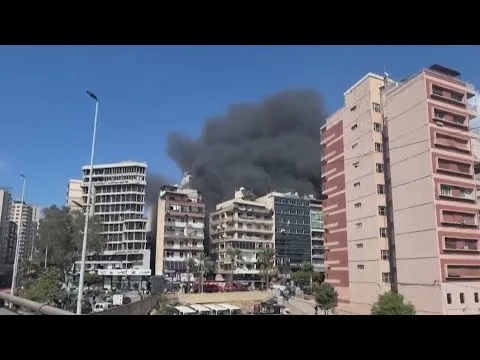
A fragile ceasefire between the United States and Iran is already facing serious challenges. Reports from Iran suggest the Islamic Revolutionary Guard Corps (IRGC) has closed the Strait of Hormuz, a vital global shipping route. This closure reportedly stems from ongoing Israeli strikes in Lebanon, an area not included in the recent ceasefire deal.
The White House, however, disputes Iran’s claims of a closure. White House Press Secretary Karine Jean-Pierre stated that while Iran claims the Strait is closed, the U.S. privately sees increased ship traffic. The President has been briefed on the situation and privately conveyed that the Strait of Hormuz must be reopened immediately, quickly, and safely. This public contradiction highlights the tension and distrust between Washington and Tehran.
US and Iran Interests Clash
The United States has a clear interest in keeping the Strait of Hormuz open. This waterway is critical for global oil transport, and its closure could disrupt energy markets and harm the world economy. For Iran, using the Strait as leverage appears to be a way to respond to perceived threats or actions by Israel, particularly its strikes in Lebanon where Iran has significant influence through proxy groups.
The ceasefire itself was reportedly built on the condition that Iran would keep the Strait of Hormuz open. Given these new reports, the White House views the situation as unacceptable and is monitoring developments closely. The President’s impatience for progress in negotiations is evident, with a clear demand for good-faith participation from Iran.
Diplomacy Continues Amidst Tension
Despite the escalating rhetoric and actions regarding the Strait of Hormuz, diplomatic efforts are ongoing. Top U.S. negotiators, including Special Envoy Steve Wofke and Jared Kushner, are heading to Islamabad to join Vice President Kamala Harris. They are expected to continue talks with Iranian officials over the weekend. The Vice President has emphasized that the U.S. possesses significant military, diplomatic, and economic leverage, but the President has directed negotiators to seek a peaceful resolution at the table.
The talks in Islamabad are crucial, especially as the U.S. seeks to de-escalate tensions and secure Iran’s cooperation. The President has made it clear that he is serious about making progress and expects Iran to negotiate in good faith. Failure to do so could lead to a more assertive U.S. response.
Historical Context and Regional Dynamics
The Strait of Hormuz has long been a flashpoint. Iran has previously threatened to close it during periods of heightened tension with the U.S. and its allies. This tactic is often employed to exert pressure and signal defiance. The current situation also involves Israel, whose actions in Lebanon are a key factor influencing Iran’s decisions.
Iran’s support for proxy groups in the region, such as Hezbollah in Lebanon, means that actions against these groups are often viewed by Tehran as direct attacks. This complex web of alliances and rivalries means that events in one theater, like Lebanon, can quickly spill over and impact broader geopolitical stability, as seen with the Strait of Hormuz.
Global Impact
The stability of the Strait of Hormuz has global implications. Approximately 20% of global oil production passes through this narrow waterway. Any disruption can lead to significant price increases for oil and gas, impacting economies worldwide. The current standoff underscores the fragility of international security and the potential for regional conflicts to have far-reaching consequences. The effectiveness of the U.S.-Iran ceasefire hinges on de-escalation and adherence to agreed-upon terms, making the situation in the Strait of Hormuz a critical indicator of future relations.
Future Scenarios
Several outcomes are possible. Iran could fully reopen the Strait, easing immediate tensions and allowing negotiations to proceed. Alternatively, Iran might continue to restrict traffic, leading to stronger U.S. or international responses, potentially including sanctions or military posturing. A third scenario involves continued ambiguity, with limited disruptions that keep the situation tense but avoid outright conflict.
The White House’s balanced approach, emphasizing negotiation while maintaining readiness to respond, will be key. The success of the upcoming talks in Islamabad will heavily influence which future scenario plays out. If Iran engages constructively, the ceasefire might hold. If it continues to test boundaries, the risk of escalation will increase significantly.
Source: US-Iran ceasefire deal already on shaky ground | NewsNation Live (YouTube)

Related Articles
US-Iran Nuclear Talks Collapse; Ceasefire Remains Fragile
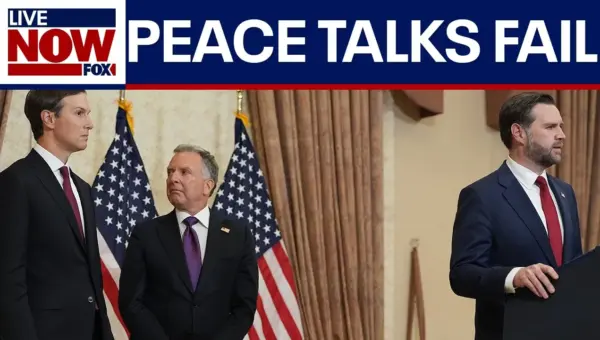
U.S. and Iran ceasefire talks in Pakistan have ended without an agreement after 21 hours, with both sides blaming each other. Key sticking points included Iran's nuclear program and its refusal to accept American terms. The fragile two-week ceasefire remains in place, but regional tensions are high.


Helium Crisis Threatens AI Chip Production
A critical shortage of helium, essential for manufacturing advanced AI microchips, is threatening the global artificial intelligence boom. Geopolitical events and supply chain disruptions have severely impacted helium availability, leading to fears of production halts and a potential repricing of tech valuations.

US-Iran Peace Talks Collapse Amid Nuclear Standoff
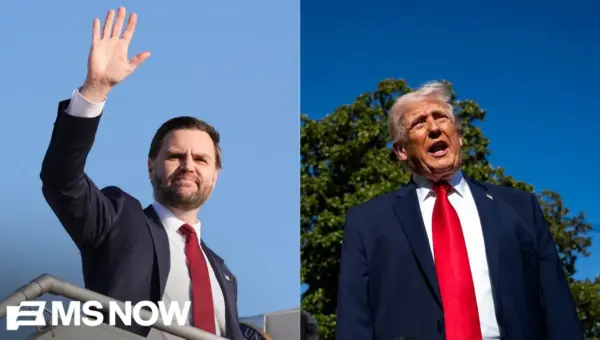
High-level peace talks between the United States and Iran have collapsed, with Vice President J.D. Vance announcing no agreement was reached after 21 hours of discussions. The primary sticking point was Iran's nuclear ambitions, with the U.S. seeking a clear commitment against developing nuclear weapons. Despite the failure, the historic nature of the meeting and the continuation of a fragile ceasefire offer a sliver of hope for future diplomacy.