Ceasefire Collapses: Trump’s Iran Deal Crumbles Amidst Chaos
A recent press conference declared a swift military victory and a ceasefire with Iran, but reports from the ground painted a starkly different picture. Tensions escalated as Iran, Israel, and Lebanon engaged in retaliatory strikes, directly contradicting claims of a successful deal. The situation highlights a deep disconnect between official statements and the volatile reality on the ground.

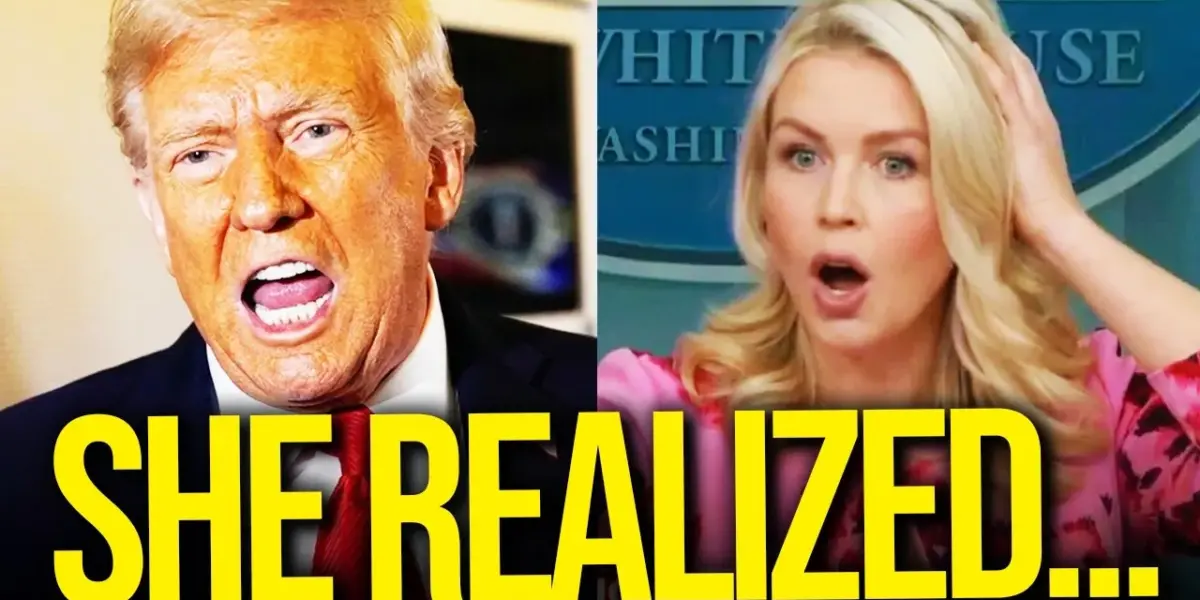
Ceasefire Collapses: Trump’s Iran Deal Crumbles Amidst Chaos
The situation in the Middle East is tense, and recent events surrounding a supposed ceasefire with Iran have highlighted deep confusion and disagreement. While officials announced a swift military victory and a successful ceasefire, reports on the ground painted a very different picture. This disconnect raises serious questions about the nature and reality of the deal itself.
A Tale of Two Realities
During a press conference, White House officials declared a decisive victory in Iran, announcing that a ceasefire had been achieved. However, even as these words were being spoken, the situation was deteriorating. News reports indicated that Iran was striking Israel, which in turn was striking Lebanon, and Lebanon was retaliating. This escalation directly contradicted the claims of a successful military triumph.
The core of the issue seemed to be a fundamental misunderstanding or outright disagreement about the terms of the supposed deal. Former President Donald Trump stated that the 10-point plan agreed upon was not the same one being presented by the Iranian regime. This created a scenario where it was unclear if a real peace deal or ceasefire had ever truly existed.
Was There Ever a Deal?
According to reporting from CNN, there was never a formal agreement. No piece of paper with a 10-point plan, no signatures, and no final deal were ever confirmed. It appears that Trump made a public statement about a deal, potentially blindsiding allies, much like he did when the current conflict began.
White House officials, like Karoline Levit, attempted to correct the media’s reporting, stating that an initial Iranian 10-point plan was “unserious” and “unacceptable.” They claimed President Trump’s team discarded it. A new, more “reasonable” plan was then presented by Iran, which the U.S. team found to be a workable basis for negotiation. However, the core U.S. demand, the end of Iranian nuclear enrichment, remained unchanged.
Contradictory Actions and Statements
Despite claims of victory, news emerged that Iran had once again closed the Strait of Hormuz. This action directly defied a key U.S. demand. Officials stated that Trump was aware of these reports before the press conference and called them “completely unacceptable.” They insisted that Iran had privately committed to reopening the strait, despite public statements to the contrary.
The situation became even more confusing when officials were asked about the ongoing military actions. While claiming the U.S. had ceased firing, they acknowledged that Iran continued to strike, Israel hit Lebanon, and regional tensions escalated. This happened because Trump had agreed to a ceasefire that, according to reports, he hadn’t fully reviewed or understood.
Rhetoric and Moral High Ground
The press conference also touched upon President Trump’s rhetoric. He had previously threatened to “eliminate” an entire civilization if a ceasefire deal wasn’t reached. When questioned about the appropriateness of such language, especially when compared to past U.S. actions, officials defended it as tough negotiating that led to results. They argued that Iran, having endured significant military pressure from the U.S., publicly acknowledged a desire for a ceasefire.
However, critics argued that such threats erode America’s moral standing. Invoking historical comparisons, like President George W. Bush’s language during the Iraq invasion, highlighted a shift from targeting governments to threatening entire civilizations. This, they contended, undermines the U.S. as a moral leader on the world stage.
The Strait of Hormuz: A Lingering Issue
The control and status of the Strait of Hormuz remained a central point of contention. While officials insisted Iran had committed to reopening it, reports confirmed it remained closed, requiring permission for passage. The idea of the U.S. potentially charging tolls for ships passing through the strait was also floated as a future discussion point.
Critics pointed out the absurdity of focusing on reopening the strait as a new mission when it was the status quo before the conflict began. They argued that the current situation, with Iran potentially controlling the strait, could provide it with significant revenue to fund activities it claimed to oppose.
Why This Matters
The events surrounding this supposed ceasefire highlight a critical issue in international diplomacy: the gap between public declarations and on-the-ground realities. When official statements are contradicted by immediate news reports, it erodes trust and creates confusion. This is particularly dangerous in volatile regions where miscommunication can have severe consequences.
The situation also raises questions about the effectiveness of aggressive rhetoric versus measured diplomacy. While proponents argue that strong language can force adversaries to the negotiating table, critics contend it can also escalate tensions and damage a nation’s moral authority. The ability to verify agreements and ensure adherence to terms is paramount, especially when dealing with complex geopolitical situations.
Implications and Future Outlook
The collapse of this purported deal suggests that achieving lasting peace in the region remains a significant challenge. The internal divisions within Iran, as suggested by the reporting, could make any ceasefire inherently fragile. Furthermore, the apparent disconnect between the U.S. administration’s messaging and the actions of Iran indicates a potential lack of clear communication or a deliberate strategy of obfuscation.
Moving forward, clarity and consistent actions will be crucial. The international community will be watching to see if a stable ceasefire can be established and if the Strait of Hormuz can be reopened without further conflict. The effectiveness of future diplomatic efforts may depend on rebuilding trust and ensuring that agreements, once made, are respected by all parties involved.
Source: Karoline Stutters as Trump’s Deal Dies (YouTube)

Related Articles

NATO Allies Urged to Step Up Support for US
Retired Navy SEAL Mike Cirelli urges NATO allies to increase their support for U.S. international efforts, citing delays in crucial operations. NATO's chief acknowledges past slow responses, while Cirelli emphasizes the need for allies to take greater responsibility for global security, especially concerning energy supplies.

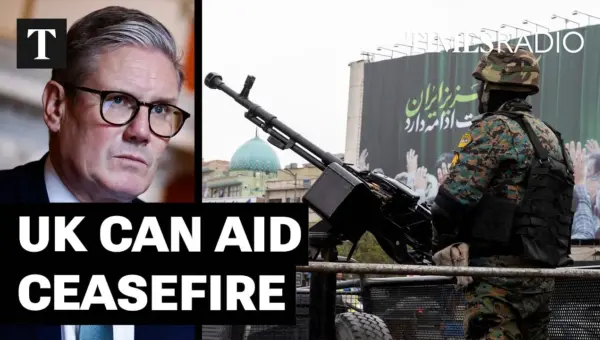
UK Offers Iran Negotiation Insight to Aid Trump’s Stalled Deal
The UK is offering its diplomatic expertise to the US to help President Trump navigate complex negotiations with Iran. As talks loom amidst uncertainty and strained UK-US relations, London believes its experience can aid in achieving a settlement and reopening the Strait of Hormuz. Discussions also highlight the UK's defense readiness and its role in regional stability.

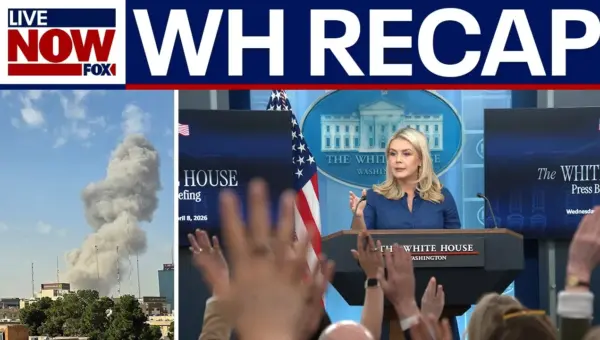
Iran Nuclear Talks Heat Up Amid Ceasefire Concerns
The White House is clarifying its stance on Iran's nuclear program, emphasizing that enrichment is off the table. Meanwhile, a high-level delegation is heading to Pakistan for critical talks amid reports of continued hostilities and the alleged closure of the Strait of Hormuz, testing a fragile ceasefire.