US Crushes Iran’s Military Power, Aims for Mideast Peace
The White House announced a swift military victory over Iran, Operation Epic Fury, dismantling its military capabilities in 38 days. This success has led to a ceasefire and opened negotiations for Middle East peace, with a key demand being the reopening of the Strait of Hormuz.

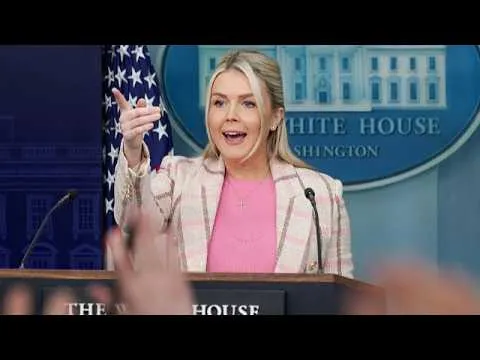
US Claims Stunning Military Victory Over Iran
The White House announced a swift and decisive military operation against Iran, dubbed Operation Epic Fury, which it claims has dismantled Iran’s defense capabilities in just 38 days. This aggressive military action, significantly shorter than the projected four to six weeks, has led to a ceasefire and opened the door for peace talks in the Middle East.
Key Military Achievements Claimed by the US:
- Destruction of Iran’s defense industrial base, crippling its ability to make weapons.
- Significant setbacks, measured in years, for Iran’s ballistic missile and long-range drone programs.
- Over 13,000 targets struck, including the vast majority of Iran’s ballistic missiles and drone units.
- Complete annihilation of Iran’s navy, with over 150 naval vessels destroyed and zero submarines remaining.
- Destruction of 97% of Iran’s naval mines.
- Iran’s air force rendered “functionally and operationally irrelevant,” with daily flights dropping from 30-100 to zero.
- Disruption of Iran’s ability to fund and arm its regional proxies.
- Prevention of Iran from acquiring nuclear weapons.
- Disruption of Iran’s command and control structures, with many leaders reportedly paralyzed by fear.
A New Era of Diplomacy?
The White House presented this military success as a victory that created crucial leverage for President Trump. This leverage, they claim, allowed for tough negotiations that have now led to Iran agreeing to a ceasefire. A key demand from the US has been the reopening of the Strait of Hormuz, a vital waterway for global oil transport. Iran’s agreement to this demand is seen as a critical step toward long-term peace.
“The world has just witnessed a historically swift and successful military triumph.”
The administration emphasized that the ceasefire is contingent upon the Strait of Hormuz remaining open without limitations. While Iran has publicly agreed to this, the White House noted that what Iran says publicly can differ from private communications. They stressed that the US will monitor the situation closely and hold Iran accountable.
Addressing Concerns and Media Narratives
During the press briefing, White House Press Secretary Leavitt addressed several points of contention and media reports. She pushed back against claims that Iran’s initial 10-point plan was acceptable, stating it was “completely discarded.” The administration presented a modified, more reasonable plan from Iran as a workable basis for negotiation, aligned with the US’s own 15-point proposal. A non-negotiable “red line” for the US is Iran’s enrichment of uranium.
Regarding the President’s strong rhetoric, including threats against Iran’s “civilization,” Leavitt defended it as a necessary tactic that led to concrete results and forced Iran to the negotiating table. She argued that the US holds the moral high ground due to Iran’s long history of supporting terrorism and harming American interests.
International Involvement and Future Negotiations
Vice President Mike Pence and Special Envoy WhitF are set to lead the US negotiating team in Islamabad for talks with Iran. The White House also mentioned conversations between high-level US and Chinese officials, indicating China’s potential role in these diplomatic efforts.
The administration also touched upon the involvement of US allies, noting that European NATO allies have pledged to contribute to ensuring freedom of navigation in the Strait of Hormuz. However, the President expressed disappointment with NATO’s response during the recent conflict.
First Lady’s Legislative Achievement
Before delving into foreign policy, the press secretary highlighted a significant domestic achievement: the first conviction under the “Take It Down Act.” This legislation, championed by First Lady Melania Trump, aims to protect victims from non-consensual AI-generated sexually explicit images, cyberstalking, and threats of violence. This marks a major win for the First Lady’s efforts to protect American youth.
Why This Matters
This briefing signals a potentially major shift in Middle East dynamics. The US claims a decisive military victory that has dramatically altered the regional balance of power. The swiftness and scale of the claimed destruction of Iran’s military assets could reshape geopolitical strategies for years to come. The focus now shifts to diplomacy, with the success of these negotiations being crucial for establishing lasting peace and stability. The administration’s assertive approach, blending military might with high-stakes diplomacy, sets a precedent for how future international conflicts might be managed.
Looking Ahead
The coming weeks will be critical as negotiations unfold. The world will be watching to see if the US can translate its military gains into a sustainable peace agreement. Key issues like Iran’s nuclear program and regional influence will be at the forefront. The administration’s commitment to holding Iran accountable for its actions, particularly regarding the Strait of Hormuz, will be thoroughly tested. The effectiveness of President Trump’s negotiation strategy, which relies heavily on projecting strength and demanding results, will be under intense scrutiny.
Source: LIVE: White House Press Secretary Leavitt Holds Briefing (YouTube)

Related Articles

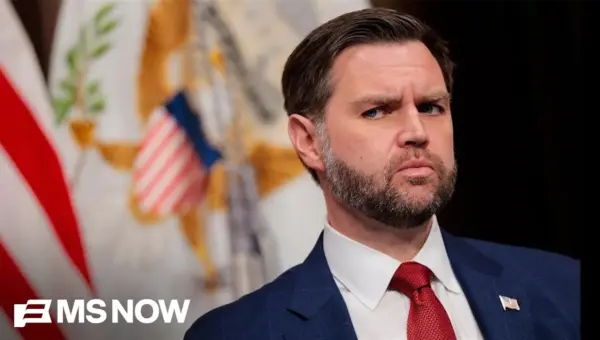
VP Vance Leads Crucial Iran Talks Amidst Complex Challenges
Vice President Vance is leading critical U.S. negotiations with Iran in Pakistan, aiming to end a regional conflict. The talks face significant hurdles, including ongoing Israeli actions in Lebanon and disruptions in the Strait of Hormuz, which Iran increasingly controls. Internal White House dynamics and unclear negotiating instructions add further complexity to the high-stakes discussions.


Trump Pivots to Business with Iran Amidst Global Chaos
Amidst confusing reports from Iran, Donald Trump has shifted focus to a potential business deal involving the Strait of Hormuz. His suggestion of a "joint venture" with Iran has drawn criticism for prioritizing potential personal profit over complex geopolitical issues.

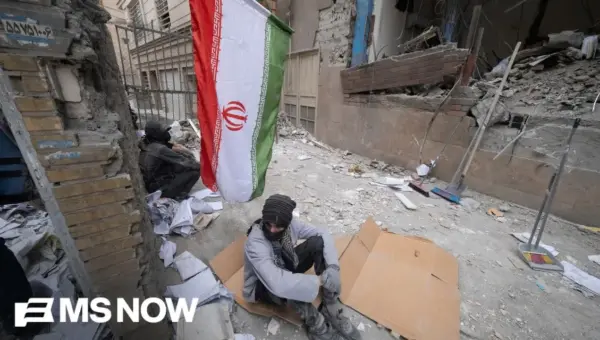
Iran’s Bold Stance: Regime Feels Empowered Amidst Negotiations
Iran appears emboldened on the international stage, presenting maximalist demands ahead of negotiations and maintaining control over the Strait of Hormuz. The regime's strategy, viewed as a victory by supporters, contrasts sharply with the silenced dissent of the majority of the Iranian population who face a grim reality of suppressed freedoms.