Cuba on the Brink: A Deepening Humanitarian Crisis Amidst US Pressure
Cuba is grappling with an escalating humanitarian crisis, marked by widespread power and water outages, a collapsing healthcare system, and severe food shortages, reportedly intensified by a tightened US blockade on oil. The crisis has left much of the nation without essential services, leading to a silent refugee crisis and raising profound ethical questions about the use of economic pressure in foreign policy. Observers warn of long-term hostility towards the US and devastating human costs.

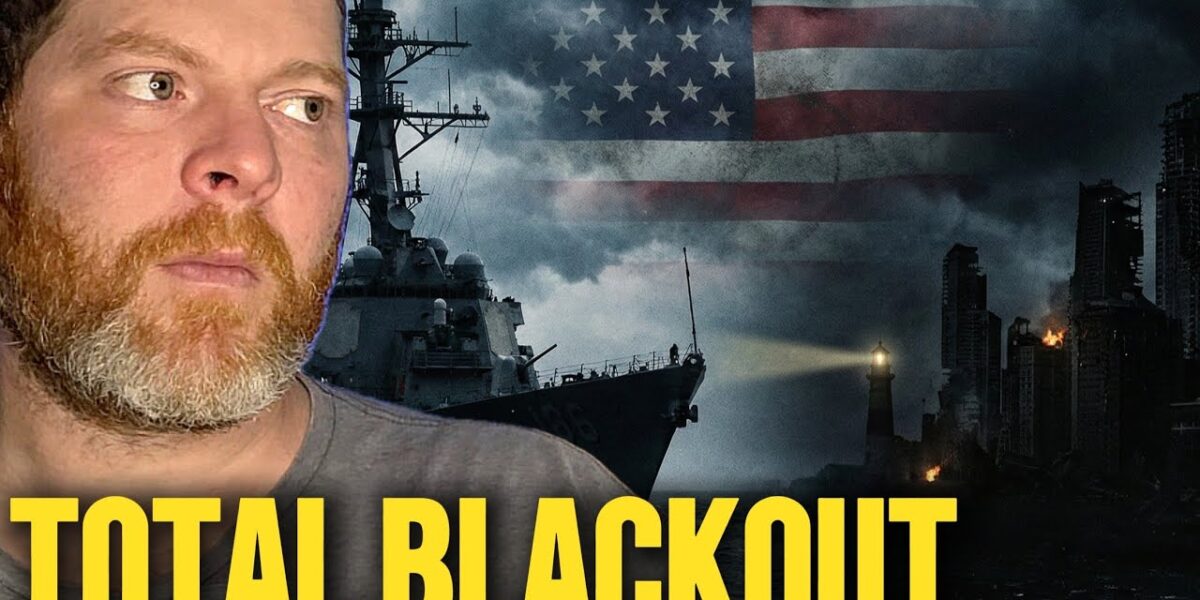
Cuba Faces Unprecedented Humanitarian Crisis Amidst Intensified US Pressure
Havana, Cuba – An escalating humanitarian crisis is gripping Cuba, with reports indicating widespread power outages, severe water shortages, and a rapidly deteriorating healthcare system across much of the nation. Critics point to intensified United States economic pressure, particularly a reported blockade on oil shipments, as the primary catalyst for the worsening conditions, pushing the island nation of 11 million people to the brink.
For nearly two weeks, a significant portion of Cuba, especially areas east of Havana, has been plunged into darkness, without access to electricity or potable water. The situation has profound implications for daily life, public health, and the very fabric of Cuban society, leading some observers to describe the unfolding events as an ‘apocalypse in a vacuum.’
The Siege of Infrastructure: A Nation Dependent on Oil
Cuba’s infrastructure, largely a legacy of the Soviet era, is heavily reliant on oil for energy generation and the functioning of essential services. Unlike modern systems that might integrate coal, nuclear, or renewable energies, Cuba’s foundational utilities, including power plants and water pumping stations, burn fuel. This dependency has made the nation acutely vulnerable to disruptions in oil supply.
Historically, Venezuela served as a crucial oil supplier to Cuba. However, with Venezuela itself facing significant internal turmoil and economic destabilization, compounded by international sanctions, these vital shipments have reportedly ceased or been drastically reduced. This void has left Cuba scrambling for energy resources, a situation exacerbated by the alleged tightening of US restrictions.
Humanitarian Catastrophe on the Ground
The immediate impact on the Cuban populace has been devastating. Reports from the ground paint a grim picture:
- Power and Water Outages: An estimated 60% of Cuba, particularly regions east of the capital, has been without power and water for over nine days. This has crippled daily life, halting communication and isolating communities.
- Healthcare Collapse: Hospitals are struggling to function, leading to a reported increase in infant mortality rates. Patients dependent on critical medical equipment, such as dialysis machines, are facing life-threatening situations, with many reportedly falling into comas due to lack of treatment.
- Sanitation and Food Crisis: The absence of electricity means water pumps are inoperable, leading to widespread water shortages. Without power, refrigeration is impossible, and even humanitarian aid, such as food and medicine sent by Mexico, cannot be properly stored or cooked. Accounts describe Havana filled with the smell of burning trash and firewood, as residents resort to burning furniture on patios to cook what little food they have.
- Communication Blackout: With power lines down and limited resources, communication channels have largely collapsed, leaving many Cubans isolated and unaware of the broader situation, and preventing accurate reporting of casualties or the full extent of the suffering.
Geopolitical Standoff: US Pressure and Russian Intervention
The stated goal of the intensified US pressure, according to the transcript, is to compel the Cuban government to relinquish authority. Negotiations to ease tensions have reportedly been attempted but have thus far stalled, creating a dangerous standoff between two determined political entities, with the Cuban people caught in the middle.
In response to the deepening crisis, the Russian government reportedly attempted to break the alleged blockade. Plans involved using a ‘ghost fleet’ of old oil tankers to smuggle fuel into the country. However, one such vessel, the ‘Akquila 2,’ was reportedly intercepted and captured by the US Coast Guard, signaling the US’s resolve to enforce its restrictions.
This incident raises the specter of further international complications, with suggestions that Russia might consider deploying a more ‘formidable fleet’ under the guise of delivering humanitarian aid – a move that would undoubtedly escalate geopolitical tensions in the region. The definition of oil as ‘humanitarian aid’ in such a context underscores the extreme nature of Cuba’s energy crisis.
The Silent Refugee Crisis and Legal Loopholes
Beyond the immediate humanitarian suffering, Cuba is also grappling with a silent refugee crisis. Desperate individuals are reportedly attempting to flee northern Cuba by boat, seeking refuge in Florida. However, these attempts are frequently intercepted by the US Coast Guard, with those detained reportedly repatriated directly back to Cuba.
This policy is rooted in the US interpretation of refugee status. The US does not typically recognize Cubans fleeing the island as political refugees unless they can prove direct persecution by the government. Instead, many are classified as ‘economic migrants,’ a designation that significantly limits their asylum claims and facilitates their return. The transcript highlights an apparent disregard for certain international agreements regarding refugees, suggesting that the US is exploiting legal ambiguities, particularly when individuals are intercepted in international waters.
Compounding this, a significant shift in US immigration policy has reportedly occurred this year, overturning the long-standing ‘wet foot, dry foot’ policy. This policy previously allowed Cubans who successfully reached US soil to apply for residency, while those intercepted at sea were generally returned. The reversal means there is now no clear path for Cubans to seek asylum by reaching US territory, effectively trapping many in a perilous situation with ‘nowhere to go.’
Historical Context: The Enduring US Embargo
The current crisis unfolds against a backdrop of over six decades of complex and often hostile US-Cuba relations. The US imposed a comprehensive economic embargo on Cuba in the early 1960s, following the Cuban Revolution and the nationalization of American-owned properties. Initially aimed at destabilizing Fidel Castro’s communist government, the embargo has remained largely in place, evolving through various iterations and under different administrations.
Key legislation, such as the Cuban Democracy Act of 1992 and the Helms-Burton Act of 1996, further codified and tightened the embargo, giving it extraterritorial reach and making it difficult for other nations to trade with Cuba. While some periods, notably during the Obama administration, saw a thawing of relations and easing of certain restrictions, subsequent administrations have often reversed these policies, leading to the current state of heightened pressure.
Critics of the embargo argue that it disproportionately harms the Cuban people, rather than achieving its stated goal of regime change. They contend that the economic strangulation of the island has fostered hardship and limited opportunities, rather than promoting democracy. The current situation, with its severe humanitarian consequences, is seen by many as the latest and most devastating manifestation of this long-standing policy.
Ethical Dilemmas and Future Implications
The unfolding events in Cuba raise profound ethical questions about the use of economic pressure as a tool of foreign policy, particularly when it leads to widespread civilian suffering. The transcript makes a stark assertion: ‘We aren’t the good guys in this movie anymore… We’re just the ones with the biggest boat.’ This reflects a growing sentiment among some observers that the humanitarian cost of the US policy in Cuba far outweighs any potential political gain.
The ‘machinery’ of tariffs, legal loopholes, asset seizures, and travel bans, honed over decades against Cuba, is described as being ‘built and tested’ – a concerning precedent for how such tools might be deployed against other nations or even domestic populations in the future. The comparison to ‘America’s Gaza’ underscores the perceived severity and ethical implications of the situation.
Regardless of the immediate outcome, the crisis is likely to have long-lasting repercussions. Even if the current government changes, the deep-seated resentment and hostility towards the US and the West among the Cuban populace are expected to persist for generations. The idea of ‘freedom’ at the price of ‘the death of children, the death of your relatives, the death of your loved ones’ is questioned, suggesting that the human cost may ultimately undermine the very ideals purportedly being promoted.
Conclusion: A Call for Awareness
As the humanitarian crisis deepens in Cuba, the urgent need for international attention and verifiable information becomes paramount. With reports of a significant media blackout within Cuba, the full extent of the suffering remains largely obscured from global view. The situation presents a critical challenge to international humanitarian principles and calls for a re-evaluation of policies that lead to such devastating human consequences. The fate of 11 million people hangs in the balance, caught between geopolitical maneuvering and the desperate struggle for survival.
Source: We Are The Bad Guys Now: The Siege of Cuba (YouTube)

Related Articles
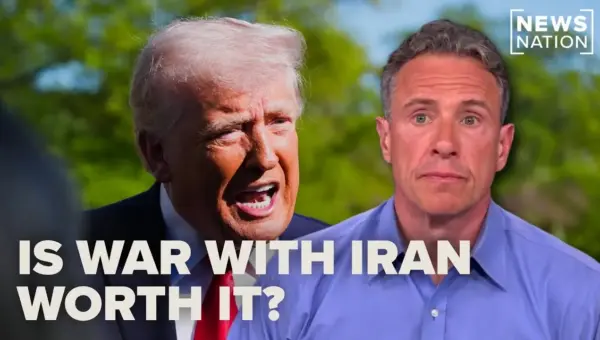
Iran War Costs Mount, Deal Prospects Dim
The war in Iran is costing the U.S. billions daily, impacting inflation and healthcare costs. While military gains are noted, concerns remain about Iran's nuclear ambitions and the lack of a clear diplomatic path. A "grand bargain" is sought, but the economic and human costs at home are rising.
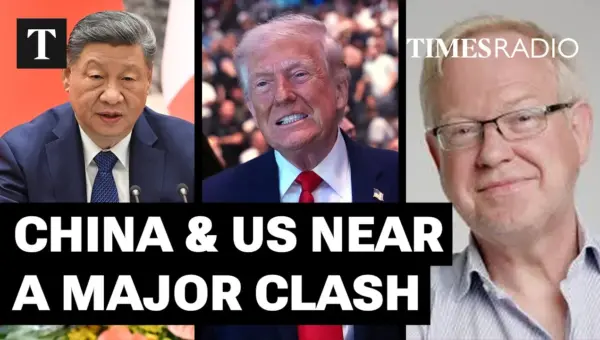
China-US Tensions Flare: Blockade Risk Sparks Superpower War Fears
The U.S. blockade in the Strait of Hormuz has intensified tensions with China, raising fears of a potential superpower conflict. Expert Roger Boyes highlights China's use of a "shadow fleet" and military support for Iran, while President Trump attempts a delicate diplomatic approach ahead of a key meeting with President Xi Jinping.
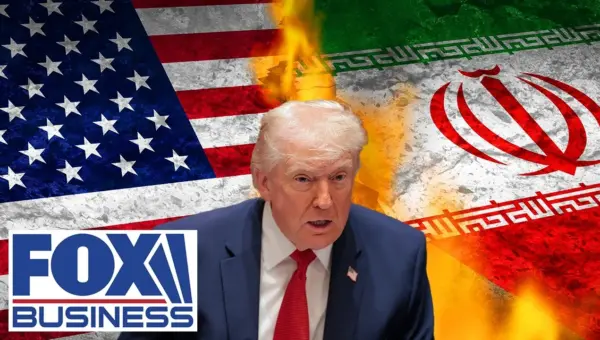
Trump Sees Iran Conflict Near End, Analysts Urge Caution
President Trump believes the conflict in Iran is "very close to over," but former advisor Keith Kellogg urges a cautious approach. The potential de-escalation could impact global markets, particularly oil prices. Investors should monitor the specifics of any resolution and its long-term implications for regional stability.