US Strikes Cripple Iran’s War Machine; Ceasefire Holds
A two-week ceasefire has taken hold following intensive U.S. strikes that reportedly crippled Iran's industrial and missile production capabilities. Despite the pause, Iran launched drone swarms, prompting retaliation and highlighting the volatile regional situation.


US Strikes Cripple Iran’s War Machine; Ceasefire Holds
Day 39 of Operation Epic Fury saw a significant shift as a two-week ceasefire took hold. This pause followed a massive U.S. offensive that appears to have crippled Iran’s industrial and military production capabilities. The United States conducted approximately 800 final strikes prior to the ceasefire. These strikes targeted ballistic missile production facilities and drone manufacturing sites, aiming to dismantle Iran’s ability to wage war.
The offensive, dubbed Operation Epic Fury, focused on obliterating Iran’s industrial base. This strategic move suggests a desire to degrade Iran’s capacity for future aggression. It goes beyond simply pushing back immediate threats. By hitting production facilities, the U.S. aims to create a longer-term impact on Iran’s military strength.
Iran’s Response and Regional Retaliation
Almost immediately after the ceasefire began, Iran launched drone swarms targeting its Gulf partners. This action suggests that not all elements within Iran fully embraced the ceasefire. The Gulf partners retaliated, with reports indicating a strike on an Iranian oil island named Leavon. It is possible this retaliation was a response to the drone swarm. However, it might also indicate a lack of clear communication or control within Iran’s military structure, specifically the Islamic Revolutionary Guard Corps (IRGC).
This immediate post-ceasefire activity highlights the volatile nature of the situation. It raises questions about who truly holds power and whether the ceasefire will be respected across all factions in Iran. The drone swarm could be an attempt by hardliners to assert control or derail the peace process.
Strategic Pause and Future Uncertainty
The current two-week ceasefire is described as a tactical pause. It allows observers to assess the internal power dynamics within Iran. The key question is whether the current leadership is less radicalized than before. This period will likely determine if the conflict reignites in two weeks. The situation remains precarious, described as being “on a razor’s edge.” The effectiveness of the U.S. strikes in degrading Iran’s military capacity will be crucial in the coming days.
Strategic Implications
The U.S. strategy appears to be one of attrition, targeting Iran’s ability to produce weapons rather than just engaging in direct combat. By destroying production facilities, the U.S. aims to impose a significant cost on Iran’s military buildup. This approach can reduce the frequency and intensity of future conflicts. It also aims to buy time for diplomatic solutions to emerge. The strikes on industrial infrastructure are designed to have a lasting impact. This could force Iran to reconsider its aggressive posture in the region.
The drone swarms and subsequent retaliation demonstrate the complex and often unpredictable nature of conflict in the region. It shows that ceasefires can be fragile. Different groups within a nation may have conflicting agendas. This can lead to escalations even when a formal pause is in place. The targeting of an oil island also highlights the economic dimension of the conflict. Disrupting oil infrastructure can have significant global economic consequences.
Historical Parallels
The current situation can be compared to past conflicts where industrial capacity was a key target. For example, during World War II, strategic bombing campaigns aimed to cripple enemy war production. By destroying factories and infrastructure, Allied forces sought to weaken the Axis powers’ ability to wage war. Similarly, in the Cold War, both the U.S. and Soviet Union focused on developing and producing advanced weaponry. The current U.S. strategy seems to echo this principle of targeting the source of military power.
The use of drone swarms by Iran is a modern tactic. However, the concept of overwhelming defenses with numerous, less sophisticated assets has historical roots. For instance, human wave attacks in earlier conflicts sought to achieve a similar effect through sheer numbers. Today’s drone swarms represent a technological evolution of this concept.
Geopolitical Impact
The U.S. strikes and the subsequent ceasefire have significant geopolitical implications. They demonstrate the U.S. commitment to regional stability and countering Iranian aggression. The actions could influence the behavior of other regional powers. They might embolden allies to take a firmer stance against Iran. Conversely, the ongoing tensions could also lead to increased regional instability. The effectiveness of the ceasefire and the future actions of Iran will be closely watched by global powers.
The conflict also highlights the evolving nature of warfare. The use of advanced U.S. strike capabilities against Iran’s industrial base, combined with Iran’s use of drone swarms, showcases modern military technology. This dynamic battlefield requires constant adaptation from all actors involved.
Source: What No One Is Saying About the U.S. Iran War Ceasefire (YouTube)

Related Articles
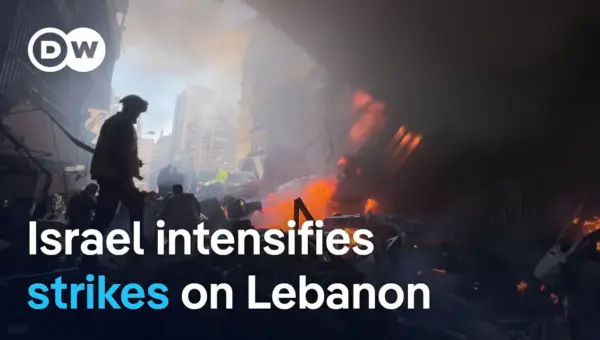
Lebanon Fractures as Israel-Hezbollah War Intensifies
Lebanon is experiencing devastating destruction and rising sectarian tensions as the Israel-Hezbollah war intensifies. While a fragile ceasefire has been announced, its impact on Lebanon remains uncertain, with Israel reportedly continuing strikes.


Hegseth Confronts Reporter on Iran Ceasefire Claims
A recent exchange saw Pete Hegseth challenge a reporter's question about Iran's alleged ceasefire. Hegseth expressed deep skepticism, suggesting Iran might be deceiving others if attacks continue. The incident highlights ongoing debates about verifying peace agreements in complex geopolitical situations.

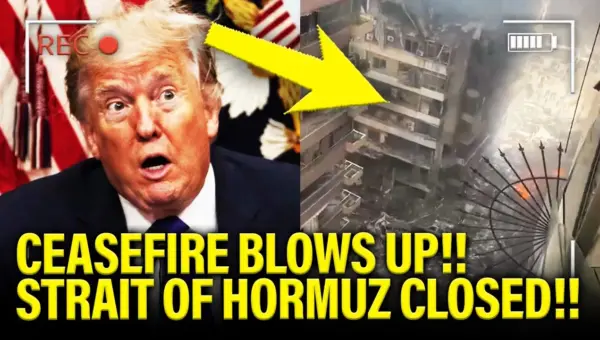
Trump’s Iran Deal Collapses Amidst Escalating Violence
A supposed ceasefire agreement involving Iran, brokered with the apparent acceptance of Donald Trump, is rapidly unraveling. Just as quickly as it was announced, the deal is showing signs of failure, leading to renewed conflict and criticism. The situation highlights the complexities of international diplomacy and the challenges of achieving lasting peace in volatile regions.