Attorneys General Sue Trump’s Mail-In Voting Order
Twenty-three state attorneys general are suing President Trump over an executive order that would block mail-in ballots by requiring citizenship lists. They argue the order is unconstitutional and oversteps presidential authority. The lawsuit aims to protect voting access ahead of upcoming elections.

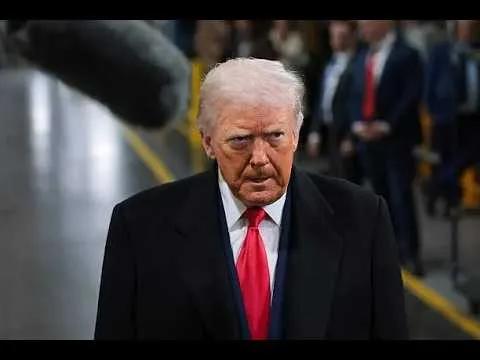
States Fight Back Against Trump’s Mail-In Voting Ban
Twenty-three state attorneys general, led by California’s AG, have filed a lawsuit against an executive order from President Trump. This order aims to block mail-in ballots by requiring citizenship lists. The attorneys general argue this action is illegal and unconstitutional. They filed the case in federal court in Massachusetts, aiming to stop the order before it can take effect.
The Legal Challenge Explained
The core of the lawsuit is that President Trump has no authority to interfere with how elections are run. The U.S. Constitution, specifically Article One, gives states the power to decide the time, place, and manner of elections. Congress also has a role, but the President does not. The attorneys general believe this executive order is a direct violation of that constitutional rule. They also argue it oversteps the independence of the U.S. Postal Service, which is meant to be free from presidential influence.
“The president by constitutional design has no role zero role in determining the time place and manner of elections and this is a clear affront and trespass on that prohibition.”
California’s Attorney General, Rob Bont, expressed confidence that the courts will block the order. He pointed to a past case where a similar executive order on elections was successfully challenged. While courts can take time, the urgency is high, especially with the November elections approaching. The goal is to prevent the order from being put into practice at all.
Why Republican States Aren’t Joining
The interview also touched on why Republican attorneys general are not joining this lawsuit. Bont suggested that many Republican officials may be hesitant to publicly oppose the President. He believes some might secretly hope the Democratic attorneys general succeed in their efforts, allowing them to benefit from the legal victory without taking a public stance. This approach, he noted, is common when challenging Trump’s actions.
Bont also highlighted that the executive order’s specific requirements, like a national citizenship list and Postal Service involvement, are difficult for states to implement independently. This means states cannot simply adopt the order’s message on their own if the federal order is struck down.
Bipartisan Cooperation on Other Issues
Despite the lack of Republican support on this election issue, Bont mentioned that bipartisan cooperation does exist on other fronts. He cited joint efforts in lawsuits against major tech companies like Meta and TikTok, as well as cases involving antitrust violations and child safety online. In these areas, attorneys general from both parties can find common ground and work together towards shared goals.
However, when it comes to protecting voting rights or challenging what he sees as attacks on freedoms, Bont expressed disappointment that Republican counterparts are not stepping up. He believes most Americans, regardless of party, desire good governance and can see when leaders are not acting decently.
Broader Concerns About Trump’s Rhetoric
The conversation briefly shifted to other actions and statements by President Trump, including threats regarding Iran. Bont criticized Trump’s rhetoric, contrasting it with his campaign promises. He noted that Trump often makes strong statements but then backs down, a pattern he sees as hypocritical and potentially dangerous. Bont suggested that Trump seems to thrive on agitation but may be out of his depth when dealing with complex international issues.
Why This Matters
This legal challenge is significant because it directly confronts an attempt to restrict voting access. Mail-in voting has become a crucial method for many Americans to cast their ballots, especially in recent years. If successful, the lawsuit would protect the ability of eligible voters to use this convenient and safe option. It also reaffirms the constitutional principle that states, not the President, control election administration. The lack of bipartisan support from Republican states on this issue raises questions about political priorities and the influence of party loyalty over voter rights.
Implications and Future Outlook
The outcome of this lawsuit could set a precedent for how presidential power interacts with election laws. It highlights the ongoing tension between federal authority and state control over elections. If the order is blocked, it would be a win for voting rights advocates and a setback for efforts to restrict mail-in voting. Conversely, if the order were to stand, it could lead to significant challenges in administering elections and potentially disenfranchise voters. The divided stance of Republican officials on this matter suggests that protecting voting rights may continue to be a partisan battleground.
Source: Trump gets the legal news he FEARED MOST (YouTube)

Related Articles

Senator Warns of Trump Plot to Seize Election Control
Senator Mark Warner has issued a dire warning about an alleged plot by Donald Trump to override U.S. elections. A draft executive order reportedly aims to declare a national emergency based on false claims of foreign interference. This move could grant sweeping presidential powers to control voting processes and override state authority.
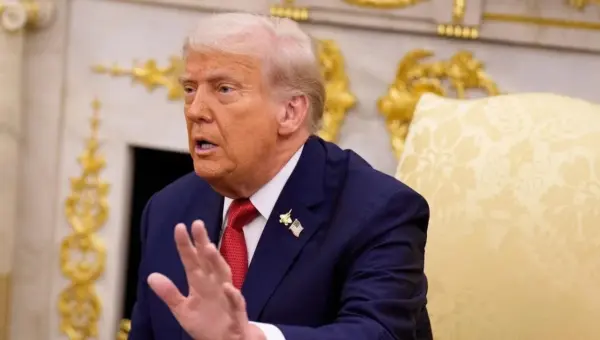
GOP Rebels Block Trump’s Election Order
Republican election officials and legal experts are challenging Donald Trump's executive order aimed at controlling mail-in voting. Critics argue the order is an unconstitutional power grab that oversteps federal authority, with lawsuits already filed to block it. The situation highlights divisions within the GOP and raises concerns about the future of election administration.
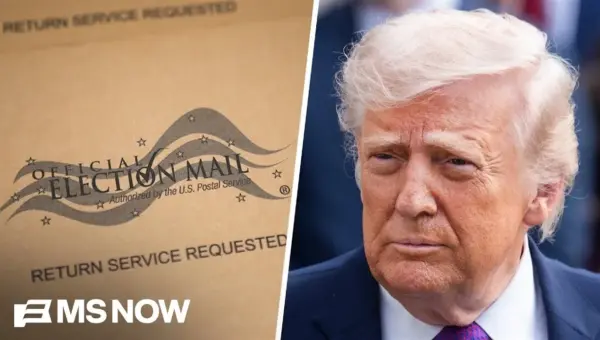
Trump’s Mail Voting Order May Backfire, Nevada Official Warns
Nevada's Secretary of State Cisco Aguilar is challenging former President Trump's executive order on mail-in voting, calling it unconstitutional and confusing. Aguilar argues states, not the President, control elections and that the order could disenfranchise voters, including Trump's own supporters. The order faces legal challenges over its impact on state election administration and local budgets.