Trump’s Policies Hurt Auto Workers, Locals Say
Chicago auto workers are sharing their struggles, claiming policies linked to the Trump economy are hurting their livelihoods. Independent reporting highlights concerns over rising costs and job security, offering a direct look at the human impact of economic decisions.

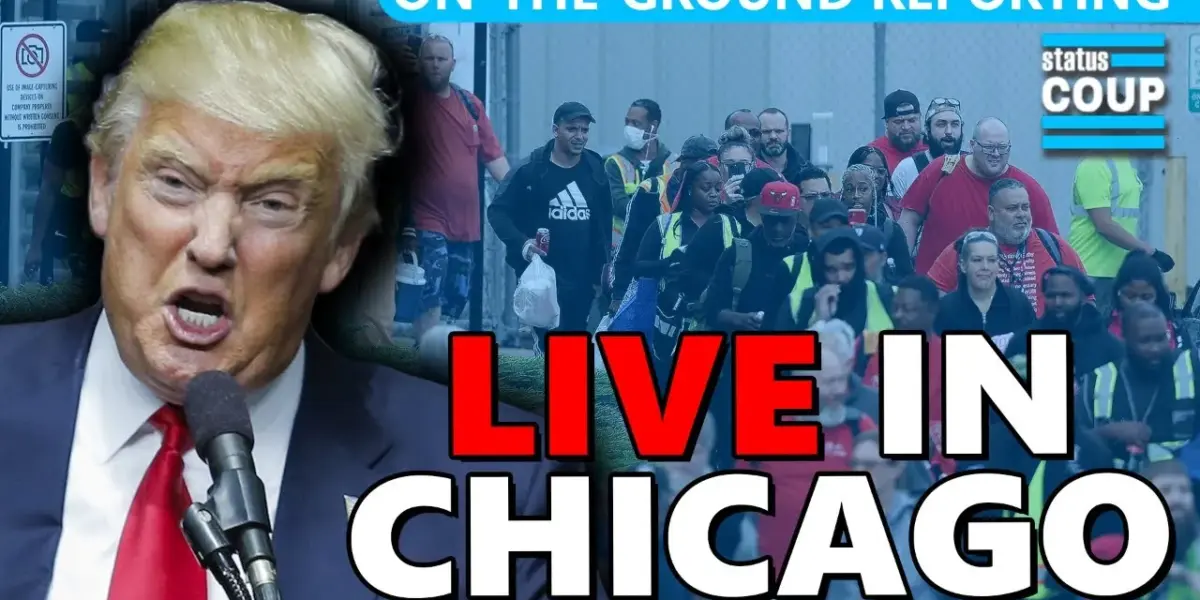
Chicago Auto Workers Speak Out on Economic Hardship
In Chicago, auto workers are facing tough times. They say that policies associated with Donald Trump’s economy are making life harder for them. Reporter Michelle Dao from Status Coup spoke with these workers to understand their struggles firsthand. The conversations highlight concerns about wages, job security, and the overall cost of living.
These workers feel that their concerns are often ignored by larger news outlets. Status Coup aims to provide a platform for these voices, focusing on what they call “on-the-ground” reporting. Their work is funded by viewers, not corporations, allowing them to cover stories they believe are important for the public to hear.
Voices from the Factory Floor
The workers shared personal stories about how the economy is affecting their daily lives. Many are finding it harder to make ends meet, even with steady jobs. The cost of essentials like housing, food, and healthcare continues to rise, putting a strain on family budgets. This makes it difficult for them to save money or plan for the future.
Some workers expressed worry about job stability. They feel that the current economic climate makes their jobs less secure. This uncertainty adds stress to their lives, impacting their mental and physical well-being. The hope is that by sharing these experiences, more people will understand the real-world impact of economic policies on working families.
Broader Economic Context
Historically, the auto industry has been a backbone of American manufacturing. It has provided good-paying jobs for generations. However, the industry has faced many challenges over the years, including foreign competition and shifts in technology. The policies enacted during the Trump administration, such as tariffs and trade disputes, have been debated for their effects on American jobs and industries.
Supporters of those policies often argued they were necessary to protect American businesses and workers. They believed that bringing manufacturing back to the U.S. would create more jobs. However, critics pointed to rising costs for consumers and businesses, and potential job losses in other sectors due to retaliatory tariffs. The experiences of these Chicago auto workers suggest that the impact may have been negative for some.
The Role of Independent Media
Status Coup positions itself as an independent news source that covers stories often missed by mainstream media. They focus on delivering news directly from affected communities. This approach allows them to present a different perspective on economic issues, one that comes straight from the people experiencing the effects.
Their model of being funded by the public is key to their mission. It means they don’t have to answer to corporate advertisers or owners. This independence, they argue, allows them to report more honestly and thoroughly on issues that matter to everyday people. By supporting outlets like Status Coup, citizens can help ensure a wider range of stories are told.
Why This Matters
The stories shared by these auto workers are important because they show the human side of economic policy. Decisions made in Washington D.C. have real consequences for families across the country. Understanding these impacts helps us have more informed discussions about what economic policies are truly working for everyone.
It highlights the need for economic policies that support working families. This includes ensuring fair wages, job security, and affordable living costs. When workers struggle, it affects the entire community. Listening to their experiences is a crucial step towards finding better solutions.
Implications and Future Outlook
The concerns raised by these auto workers suggest a need for careful consideration of economic policies. Future leaders will need to address issues like inflation, wage stagnation, and job security. The trend towards automation and electric vehicles also presents both challenges and opportunities for the auto industry and its workforce.
As the economy continues to change, it will be vital to listen to the voices of workers. Independent reporting plays a key role in bringing these stories to light. The future of the labor movement may depend on its ability to adapt and advocate for workers in a rapidly evolving economic landscape. Continued dialogue between workers, policymakers, and the public is essential for progress.
Source: LIVE TRUMP ECONOMY CRUSHING Workers | LIVE With Chicago Auto Workers (YouTube)

Related Articles


Trump’s ‘Golden Age’ Claims Face Economic Reality Check
Donald Trump's claims of an $18 trillion economic boom fueled by tariffs are met with skepticism. While supporters cite job creation, many business owners report negative impacts like job cuts and slowed growth. The actual economic gains and the effectiveness of tariffs remain a subject of intense debate.


China’s Unrest Grows: Protests Surge Amid Economic Woes
China is seeing a rise in protests driven by economic problems. Retired workers, investors, and others are voicing their discontent. The case of journalist Zhang Zhan highlights the government's suppression of dissent amid this unrest.


Vanity Over Voters: Officials Demand Photos Be Erased
White House spokesperson Karoline Leavitt reportedly demanded unflattering Thanksgiving photos be removed, highlighting a pattern of vanity within the administration. This focus on image contrasts sharply with the economic struggles faced by many Americans. The trend raises questions about leadership priorities and public trust.