Oil Prices May Drop $20 as Shipping Risks Ease
Oil prices may fall by as much as $20 per barrel as shipping risks ease through the Strait of Hormuz. Meanwhile, New York City's Mayor faces financial scrutiny in his first 100 days.

Oil Prices Poised for Potential $20 Drop Amid Easing Shipping Concerns
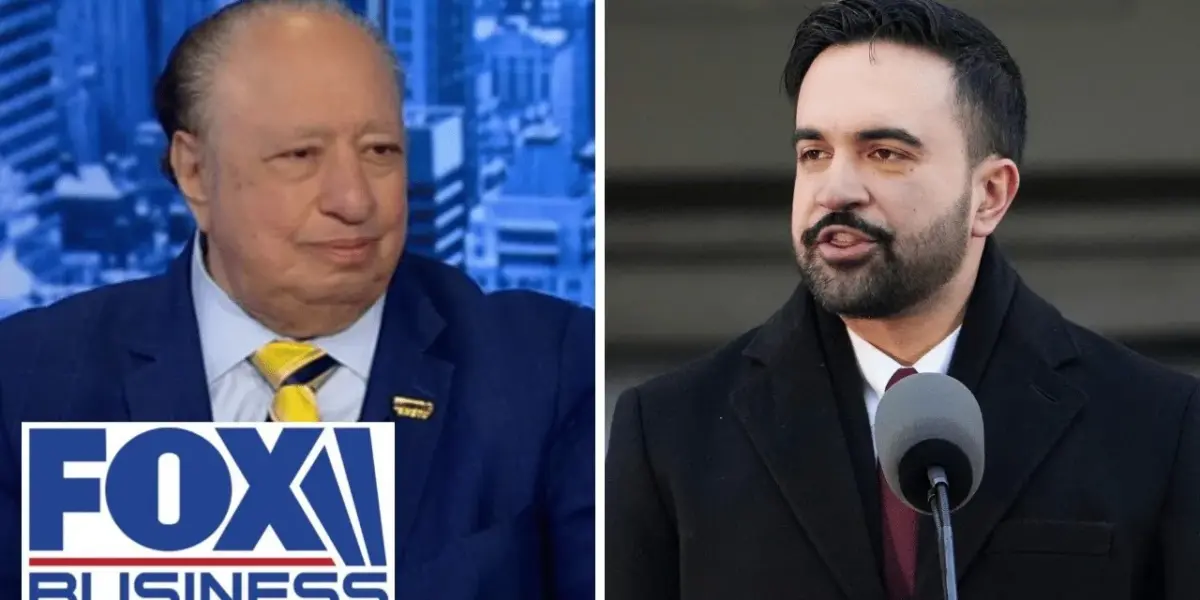
Oil prices could see a significant drop of up to $20 a barrel in the coming weeks. This potential decline is linked to easing tensions and the continued free flow of oil through the vital Strait of Hormuz. Billionaire businessman John Catsimatidis, an influential figure in the energy sector, shared these insights, suggesting that current market conditions are still in a “risk period.” He predicts that once this period passes, likely within the next two weeks, crude oil prices could fall from their current levels towards the $65 a barrel mark. This price point is comparable to pre-war levels.
Shipping Lanes Remain Open Despite Tensions
The free movement of oil tankers through the Strait of Hormuz is crucial for global supply. Catsimatidis recently spoke with a prominent Greek shipping tycoon who confirmed that vessels are continuing to transit the waterway. While normal shipping can involve as many as 100 tankers daily, current operations require permission from both Iranian and American authorities. Despite these requirements, 10 ships were scheduled to pass through within hours of the discussion, indicating a steady, albeit regulated, flow of oil.
“The minute we settle something, it went down $20 a barrel. And right now we’re still in the risk period. The risk period is the next — let’s see what happens the next two weeks. Once that risk period goes away, it’s going to go down another $20 a barrel.”
Impact on Gas Prices and Consumer Demand
A decrease in crude oil prices typically translates to lower gasoline prices for consumers. Catsimatidis highlighted that the American public expects lower prices when crude costs fall. This consumer demand can put pressure on gas stations, potentially forcing them to accept lower profit margins or even lose money if they don’t adjust their prices quickly enough. The expectation is that lower crude costs will eventually lead to more affordable fuel at the pump for everyone.
New York City Mayor Faces Scrutiny in First 100 Days
Beyond the energy markets, Catsimatidis also offered his perspective on New York City Mayor Zohran Mamdani’s first 100 days in office. He suggested that the traditional 100-day review period might need to be extended, perhaps to 150 days, to give the new mayor a fairer assessment. Catsimatidis stated he is willing to give Mamdani “a chance to win.” He recently met with the mayor and described his position as being on the “edge of success versus the edge of disaster.” The mayor faces the challenge of trying to satisfy many different groups simultaneously.
Financial Constraints and State-Level Concerns
The mayor’s administration is under significant financial scrutiny. Credit rating agencies like S&P and Moody’s have placed a “cap” on the city’s borrowing ability. When New York City recently attempted to issue $2.6 billion in bonds, it only managed to sell $2.3 billion. This indicates underlying concerns and restrictions on the city’s financial flexibility. Catsimatidis also warned that if Governor Hochul provides excessive aid to Mamdani, it could negatively impact New York State’s own financial health.
Affordable Housing and Conditional Support
Catsimatidis mentioned that former President Trump is willing to provide substantial financial support for affordable housing initiatives in New York City. However, this support comes with a critical condition: all projects must be executed properly and transparently. This conditional offer underscores the need for fiscal responsibility and sound management within the mayor’s office, especially as the city navigates its current financial challenges.
Market Impact
The potential $20 per barrel drop in oil prices, if realized, could provide significant relief to consumers and businesses by lowering energy costs. This could also influence inflation rates and central bank policies. For the energy sector, a sustained lower price environment might impact exploration and production budgets. For New York City, the financial constraints highlighted by credit agencies and Catsimatidis suggest a challenging period ahead, requiring careful fiscal management and potentially impacting the city’s ability to fund public services and infrastructure projects.
What Investors Should Know
Investors closely watching the energy markets should monitor developments in the Strait of Hormuz and geopolitical tensions. The easing of these risks could lead to lower oil prices, affecting energy company stocks and related exchange-traded funds (ETFs). In New York, investors in municipal bonds should pay attention to the city’s credit rating and its ability to manage its debt. The financial health of New York City and State is a key factor for those holding or considering investments in their bonds.
Source: 'RULES HAVE CHANGED': Billionaire CEO willing to give Mamdani a 'chance to win' (YouTube)

Related Articles


US Claims Victory in Iran Conflict, Experts Skeptical
The U.S. has declared victory in its recent conflict with Iran following a two-week ceasefire, but experts question the true extent of this success. Key demands from Iran, including control over the Strait of Hormuz and the right to enrich uranium, remain major sticking points in potential negotiations. Despite the ceasefire, ongoing hostilities and Iran's continued influence raise doubts about lasting peace.
Trump’s Iran Deal Sparks Chaos, Questions Linger
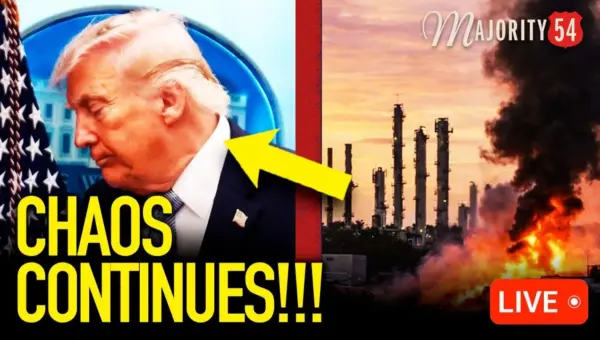
President Trump's sudden ceasefire announcement with Iran has created significant confusion. Questions linger about control of the Strait of Hormuz and the actual U.S. gains. The move also faces backlash from within Trump's own base, highlighting broader political divisions.
Congressman Warns of ‘Obvious War Crime’ in Iran Conflict
Navy veteran Congressman Chris DeLuzio criticizes the Trump administration's Iran strategy, labeling threats against civilian infrastructure as an "obvious war crime" and a pattern of "abuse of power." He argues the costly war has been a strategic disaster, destabilizing the region and increasing domestic expenses.