Trump’s Iran Deal Collapses Amidst Escalating Violence
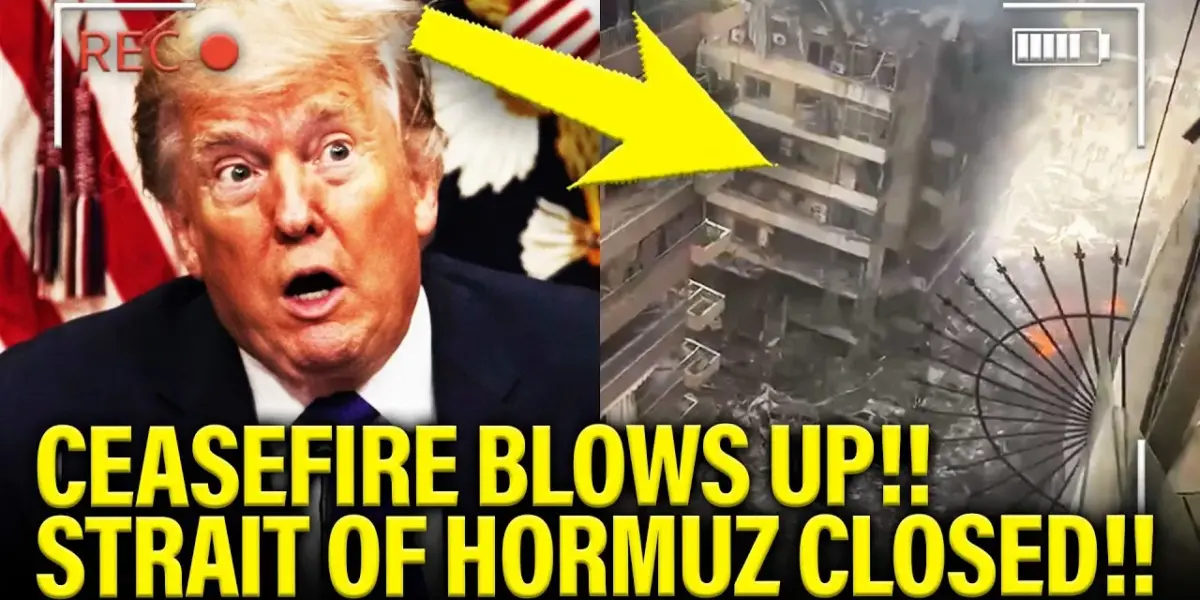
A supposed ceasefire agreement involving Iran, brokered with the apparent acceptance of Donald Trump, is rapidly unraveling. Just as quickly as it was announced, the deal is showing signs of failure, leading to renewed conflict and criticism. The situation highlights the complexities of international diplomacy and the challenges of achieving lasting peace in volatile regions.

Trump’s Iran Deal Collapses Amidst Escalating Violence
A supposed ceasefire agreement involving Iran, brokered with the apparent acceptance of Donald Trump, is rapidly unraveling. Just as quickly as it was announced, the deal is showing signs of failure, leading to renewed conflict and criticism. The situation highlights the complexities of international diplomacy and the challenges of achieving lasting peace in volatile regions.
Chaos Erupts in Beirut
The initial moments of the reported ceasefire were marred by devastating Israeli airstrikes across Lebanon. Reports indicate that over 100 targets were hit in just ten minutes, transforming parts of Beirut into an apocalyptic scene. Lebanon, and its ally Hezbollah, were supposedly included in the ceasefire agreement, which was reportedly mediated by Pakistan. The Prime Minister of Pakistan had explicitly stated Lebanon’s inclusion prior to the strikes.
Iran Responds, Strait of Hormuz Closed
In response to the attacks on Lebanon, Iran has once again asserted control over the Strait of Hormuz. While the strait has often been under Iranian influence, limiting access for US and Israeli allies, this latest closure came after Iranian naval vessels escorted two ships through the waterway. Following the strikes on Beirut, which reportedly killed around 100 people and wounded 500, Iran declared the Strait of Hormuz closed again, blocking all ship passage. Iranian state media confirmed this action, stating that the passage would remain blocked as long as Israel attacked Lebanon.
Pakistan’s Concerns and Trump’s Statements
The Prime Minister of Pakistan, Shehbaz Sharif, expressed awareness of ceasefire violations that he believes undermine the peace process. He urged all parties to show restraint and respect the agreement to allow diplomacy a chance. This stands in contrast to earlier statements made when the ceasefire was announced, where he expressed pleasure in announcing an immediate ceasefire covering all areas, including Lebanon. Meanwhile, Donald Trump has been actively posting on social media and speaking with reporters. He has claimed that Lebanon was not included in the deal due to Hezbollah, calling it a separate skirmish that is part of the deal. He also suggested a potential joint US-Iran venture to manage tolls in the Strait of Hormuz, an idea Iran has not supported.
The Ten-Point Plan Controversy
A central point of contention is Iran’s ten-point framework, which Donald Trump reportedly agreed to. Critics argue that this plan represents a significant concession and humiliation for the United States, outlining Iran’s ideal scenario. These points reportedly include guarantees of a non-aggression pact, continued Iranian control over the Strait of Hormuz, acceptance of Iran’s uranium enrichment for its nuclear program, and the removal of all major sanctions and UN resolutions against Iran. Some media outlets, previously supportive of Trump, have begun reporting on these points, acknowledging them as potentially disastrous. Trump’s own statements have been contradictory, at times suggesting an agreement on the ten points and at other times referencing a fifteen-point plan and discussing sanctions relief, creating confusion about the actual terms of the agreement.
Why This Matters
The breakdown of this ceasefire and the escalating violence have serious implications. It signals a failure of diplomatic efforts and could lead to a wider regional conflict. The conflicting statements and apparent contradictions in the agreement raise questions about the credibility of the US position and the effectiveness of leadership in navigating complex international crises. The situation also highlights how quickly geopolitical tensions can flare up, even after agreements are supposedly in place, impacting global stability and energy markets.
Historical Context and Background
International relations with Iran have been fraught with tension for decades, marked by disputes over its nuclear program, regional influence, and support for various militant groups. Previous administrations have pursued a range of strategies, from sanctions and diplomatic isolation to direct negotiations. The Strait of Hormuz, a vital chokepoint for global oil supplies, has been a frequent site of friction, with Iran at times threatening to disrupt shipping. The nature of any agreement, particularly one involving concessions on sanctions or nuclear activities, is highly sensitive and subject to intense scrutiny both domestically and internationally.
Implications, Trends, and Future Outlook
The immediate future appears volatile. The continued Israeli strikes and Iran’s response through the Strait of Hormuz suggest a cycle of escalation. The conflicting narratives surrounding the ceasefire deal could further damage trust between nations. A key trend is the challenge of maintaining stability in the Middle East, where multiple actors with competing interests are involved. Looking ahead, the success of any future diplomatic efforts will likely depend on clear communication, verifiable commitments, and a unified international approach, rather than contradictory proposals that sow confusion and distrust.
Source: Trump PANICS as CEASEFIRE INSTANTLY BLOWS UP!! (YouTube)

Related Articles

US Claims Victory in Iran Conflict, Experts Skeptical
The U.S. has declared victory in its recent conflict with Iran following a two-week ceasefire, but experts question the true extent of this success. Key demands from Iran, including control over the Strait of Hormuz and the right to enrich uranium, remain major sticking points in potential negotiations. Despite the ceasefire, ongoing hostilities and Iran's continued influence raise doubts about lasting peace.

Murkowski Condemns Trump’s Iran Threat: ‘Cannot Be Excused’
Senator Lisa Murkowski condemned President Trump's threat against Iran as "inexcusable," joining a chorus of Democratic calls for his removal. While some Republicans express relief over a ceasefire, others question the long-term diplomatic impact of Trump's aggressive language.

Bizarre Signs Point to Major US Troop Surge
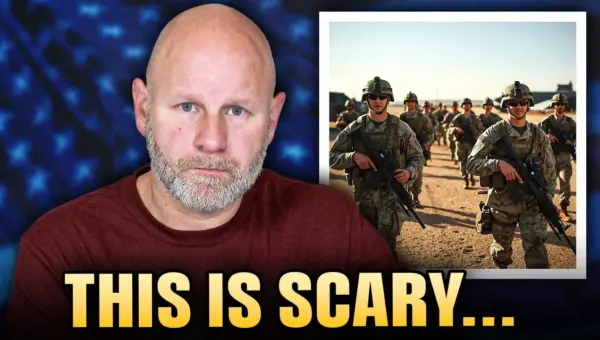
Unusual signs, including a surge in Pentagon pizza orders and increased military visits to strip clubs, suggest a major troop deployment might be imminent. Service members reportedly express fear and a sense of impending danger.