Moon Trip Sparks Hope, Fear, and Alien Dreams
The Artemis II mission around the moon is sparking excitement and debate. People are discussing the future of space exploration, the possibility of alien life, and the strategic importance of space, reflecting a mix of hope, curiosity, and concern.


Artemis II Journey Ignites Public’s Imagination
NASA’s Artemis II mission, a journey around the moon, has captured the public’s attention. People are excited about this step back into lunar exploration. For many, it feels like a return to the golden age of space travel, reminiscent of the thrilling space shuttle launches of past decades.
This renewed interest isn’t just about visiting the moon. It’s seen as a stepping stone. “The next step they want to take is landing on the moon,” one person shared. This ambition then extends further, with dreams of reaching Mars, partly fueled by the vision of private companies like SpaceX. The drive to explore and uncover new knowledge about space is a strong motivator for many.
A New Space Race?
The Artemis II mission has sparked talk of a new space race. “I hope it’s the start of a new space race,” another observer stated. This sentiment echoes the excitement felt during the original Space Race between the United States and the Soviet Union. Back then, every shuttle launch was a major televised event, uniting people in awe. Today, there’s a similar feeling that humanity is once again pushing the boundaries of what’s possible in space exploration.
Whispers of Extraterrestrial Life
Beyond the technical achievements of space travel, the vastness of space naturally leads to questions about life beyond Earth. The possibility of extraterrestrial sightings is a topic that sparks both curiosity and skepticism among the public. Some people feel strongly that there must be something out there. “I feel like there’s at least something out there,” one person commented. The exact nature of this potential life, however, is a subject of much debate and speculation.
The ideas about alien life range from microscopic organisms to more advanced beings. “I don’t think they look like humans at all, but I think there’s probably some microscopic little aliens out there,” one person speculated. Others believe that governments might be hiding evidence of alien contact. “There’s people out there somewhere. They’re not like us, but they’re out there. And everybody’s keeping it a secret.” This belief in a hidden truth adds a layer of mystery to the conversation.
Focus on Earth vs. The Stars
Not everyone sees the fascination with aliens as productive. Some argue that the focus should remain on solving problems here on Earth. “I think it’s really funny how much people care about extraterrestrials. I think it’s kind of a red herring because you only have one planet. So, I think we should focus on issues on our own planet,” one individual pointed out. This perspective highlights a common tension: the desire to explore the unknown versus the pressing needs of our home world.
However, others see the potential for discovery in space as a reason to believe in life elsewhere. The discovery of water beyond Earth is often cited as a key indicator. “They’ve already found water out there. So, certainly you could have energy,” one person reasoned. The sheer size of the universe makes it difficult for many to dismiss the possibility of life existing elsewhere. “Space is a big place,” is a simple yet profound statement that captures this sentiment.
Space as a Strategic Frontier
The conversation also touches on the strategic importance of space. In an era of global competition, space is viewed as a critical arena. “Do you think space is a really important vantage point for us to have a leverage over adversaries such as China?” one person asked. The idea is that whoever controls or has a significant presence in space could gain a substantial advantage.
This advantage extends beyond military power. Establishing a presence on the moon, whether temporary or permanent, could offer strategic benefits in both scientific research and defense. “Whoever can establish a permanent base there or at least a temporary base there will have a strategic advantage in both science, but probably also unfortunately in defense as well.” This highlights the complex reality that space exploration is not just about discovery, but also about national interests and global power dynamics.
Why This Matters
The Artemis II mission is more than just a flight around the moon; it represents humanity’s enduring curiosity and our drive to explore. It reignites a sense of wonder and national pride, echoing past achievements. The discussions it prompts reveal a spectrum of public opinion, from hopeful anticipation of future discoveries to practical concerns about focusing on Earth’s issues. Furthermore, the conversations about aliens and strategic advantages show how deeply intertwined space exploration is with our hopes, fears, and geopolitical realities.
Implications and Future Outlook
The renewed focus on lunar missions, like Artemis II, sets the stage for future endeavors, including potential moon bases and missions to Mars. This could lead to significant technological advancements and a deeper understanding of our solar system. The debate about prioritizing Earth-based issues versus space exploration will likely continue as resources are allocated. The strategic importance of space will also shape international relations and potential collaborations or competitions among nations.
Historical Context
The current era of space exploration builds upon decades of progress. The Space Race of the mid-20th century spurred innovation and led to landmark achievements like the Apollo moon landings. The subsequent era of the Space Shuttle program brought space closer to the public consciousness. Artemis II marks a deliberate return to deep space exploration, aiming to establish a sustainable human presence beyond Earth orbit, learning from both the successes and challenges of the past.
Source: Citizens Weigh In: Artemis II Kicks Off Trip to the Moon (YouTube)

Related Articles


Moon Mission Ignites New Space Race Era
Former NASA astronaut Winston Scott expressed strong optimism for the future of space exploration following a successful lunar mission. The mission's stunning images and technological feats, like the audio link to the ISS, highlight advancements. Plans for a permanent lunar base by 2028 and reusable launch vehicles signal a new era, potentially reigniting a global space race.

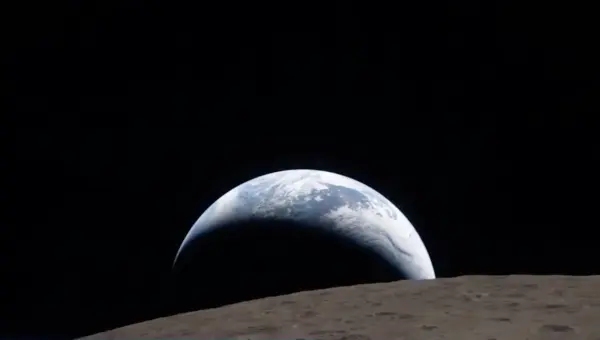
Artemis II Crew Recreates Iconic ‘Earthrise’ Photo
NASA's Artemis II astronauts captured stunning images during their lunar flyby, including a view reminiscent of the iconic Apollo 8 'Earthrise' photo. The mission marks a significant step in returning humans to the moon and exploring its mysteries.

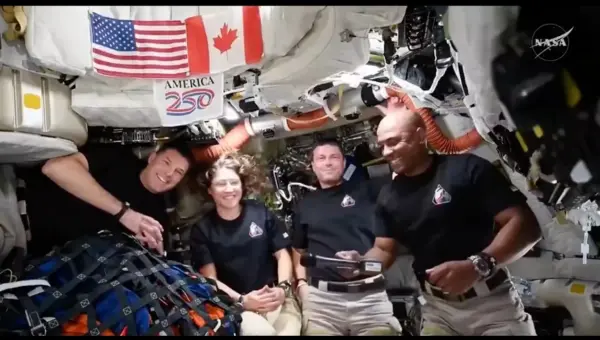
Artemis II Crew Captures Unseen Lunar Views, Rewrites Space History
The Artemis II crew has made history by becoming the first humans in 53 years to see the far side of the Moon. NASA released stunning photos from the flyby, capturing unseen lunar vistas and setting new distance records. This mission marks a crucial step in humanity's return to lunar exploration and future Mars endeavors.