Iran Ceasefire Shakes Global Alliances, NATO Chief Visits White House
A fragile two-week ceasefire involving Iran is creating international uncertainty. Amidst questions about the deal's terms and potential violations, the NATO chief is visiting the White House. This visit aims to shore up U.S. commitment to the alliance, which has faced criticism.

Iran Ceasefire Shakes Global Alliances, NATO Chief Visits White House
A fragile two-week ceasefire between Iran and its adversaries has emerged as a major international development. This agreement, brokered by Pakistan, is already showing signs of strain. Moments before a White House press briefing, former President Trump posted on social media, calling many agreements and letters circulating about the ceasefire fraudulent. He stated that federal investigations would quickly expose these charlatans. This statement casts doubt on the certainty of the deal.
The former President claimed Iran agreed to many points in a 15-point plan. A key point mentioned is the halt of uranium enrichment, which has been a long-standing U.S. demand. He also suggested the U.S. is discussing tariff and sanction relief with Iran. However, Iran presented its own list of 10 points. One Iranian demand is the ability to enrich uranium, which the former President considers a non-starter. Another potential sticking point is Iran retaining control of the Strait of Hormuz.
The Strait of Hormuz is a critical waterway for global oil transport. Reopening it is seen as essential for the ceasefire to hold. Reports indicate ships have already passed through, suggesting some progress. However, Iranian state media has reported continued Israeli strikes in Lebanon, claiming these actions violate the ceasefire. This raises concerns about whether the truce will last.
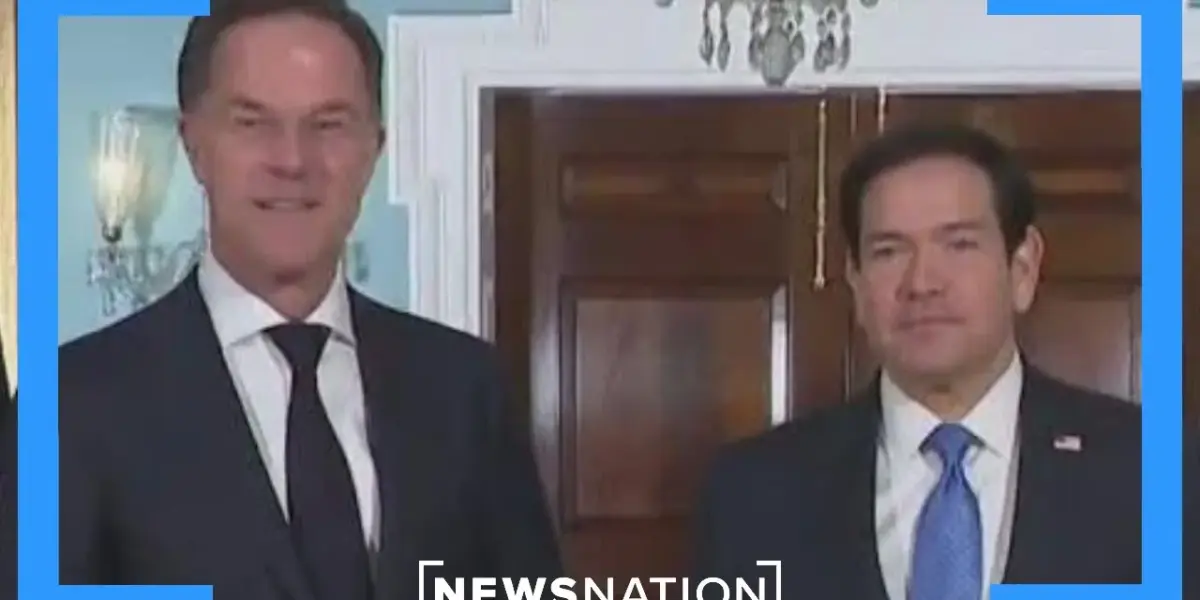
Amidst these developments, the Secretary General of NATO is visiting Washington. The primary goal of this visit appears to be convincing the former President not to withdraw the United States from NATO. The former President has been critical of NATO, calling it a “paper tiger” in the past. He has also clashed with allies over military operations and criticized European nations for not contributing enough to defense.
Diverging Interests and Historical Tensions
Tensions between the U.S. and NATO allies have been evident for some time. A notable point of friction occurred when the former President expressed interest in acquiring Greenland. This led to threats of tariffs against NATO members who supported Greenland’s defense. NATO Secretary General Jens Stoltenberg met with Secretary of State Mike Pompeo and Secretary of War Pete Hegseth. He was scheduled to meet with the former President at the White House.
The former President has stated that any discussions with Iran about the ceasefire will happen only behind closed doors during negotiations. He also mentioned that potential talks with Iran could happen in Istanbul on Friday, though this has not been confirmed by the White House. The situation highlights the complex web of international relations, where a regional ceasefire can have global ripple effects.
Global Impact
This fragile ceasefire and the high-level diplomatic activity underscore a period of significant global uncertainty. The potential for Iran to gain concessions on its nuclear program, while also being pressured to halt enrichment, creates a delicate balance. The Strait of Hormuz’s security is vital for global energy markets, and any disruption could lead to price spikes and economic instability worldwide.
Furthermore, the visit of the NATO chief to Washington comes at a time when the U.S. commitment to the alliance is being questioned. A withdrawal or significant weakening of NATO could reshape European security and global defense structures. It could embolden adversaries and create power vacuums in various regions. The interconnectedness of these events shows how a conflict in one area and the stability of long-standing alliances are deeply linked.
Future Scenarios
Several future scenarios are possible. The ceasefire could hold, leading to gradual de-escalation and negotiations on Iran’s nuclear program and sanctions relief. This would be a positive outcome for regional stability. However, renewed conflict is also a strong possibility if the terms of the ceasefire are violated or if negotiations fail.
Another scenario involves the U.S. re-evaluating its role in NATO. If the U.S. reduces its commitment, European nations may increase their defense spending and cooperation. This could lead to a more independent European security framework. Conversely, a complete withdrawal could leave European allies vulnerable and create new geopolitical challenges. The outcome will depend on the diplomatic efforts and strategic decisions made in the coming weeks and months.
Source: NATO chief heads to White House amid fragile Iran ceasefire | NewsNation Live (YouTube)

Related Articles

US Strikes Prompt Iran Ceasefire, Tensions Simmer
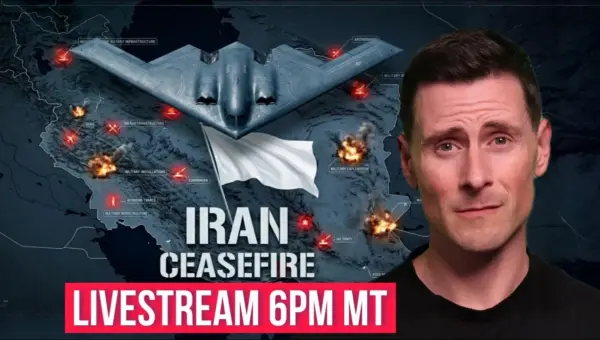
A ceasefire has been announced following 800 U.S. strikes on Iran's industrial base. However, the pause is already tested by new Iranian attacks on energy infrastructure in Saudi Arabia and the UAE, highlighting ongoing regional tensions.


Ceasefire Shattered: Mideast Plunges Back into Chaos
A newly announced ceasefire in the Middle East has been instantly violated, plunging the region back into chaos. Attacks on oil facilities and pipelines have escalated, with conflicting reports on the terms of the agreement. This rapid breakdown signals a difficult path ahead for regional peace.

Democrats’ ‘Trump Derangement’ Fuels Negative Market Outlook
Commentary suggests Democratic opposition to Trump is driven by "Trump derangement," leading to overly negative reactions and overlooking potential positives. This intense political focus can increase uncertainty, potentially impacting investor sentiment and market stability.