Red States Revolt: GOP Suffers Shock Losses as Voters Rebel
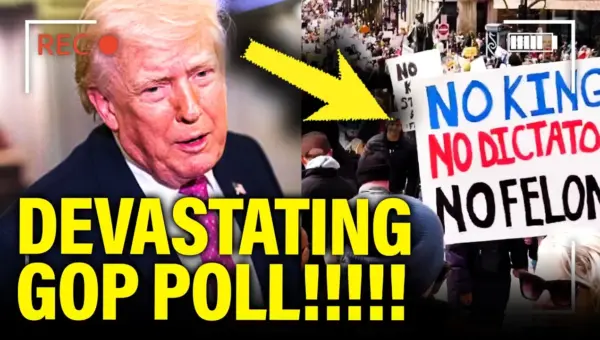
Republicans are facing a wake-up call after significant losses in special elections across red states. Democrats have achieved surprising victories in Wisconsin, Georgia, Missouri, and Oklahoma, signaling a potential shift in voter sentiment. These results, coupled with declining approval for Donald Trump among key demographics, suggest challenges ahead for the GOP.


GOP Suffers Major Setbacks in Special Elections
Republicans are reeling from a series of surprising losses in special elections and local races held across the country. These elections, taking place in traditionally Republican strongholds, have sent shockwaves through the party. Democrats have achieved significant victories in states like Alaska, Missouri, Wisconsin, and Oklahoma, even flipping school boards in deeply red areas.
Wisconsin’s Supreme Court Race Signals a Major Shift
One of the most striking results came from Wisconsin, where a Democratic-aligned candidate won the state’s Supreme Court race by a wide margin. Chris Taylor, the Democratic candidate, secured a victory of nearly 20 to 30 points. This win is particularly significant because it occurred in red suburban areas that have historically voted Republican and were strong supporters of Donald Trump. These areas have not shown such a strong Democratic lean in decades, suggesting a notable shift in voter sentiment.
Overperformance in Georgia and Declining Trump Approval
Democrats also saw substantial overperformance in Georgia’s 14th congressional district, an area represented by Marjorie Taylor Greene. While the Democratic candidate did not win the seat, they outperformed expectations by 23 percentage points. This trend aligns with broader polling data showing a significant drop in Donald Trump’s approval among independent voters. His current approval rating with this crucial group is lower than Richard Nixon’s was at the time of his resignation, a stark indicator of eroding support.
School Board Elections Highlight Local Discontent
Local elections, especially for school boards, have become battlegrounds reflecting national trends. In Tulsa, Oklahoma, a Democratic candidate flipped a school board seat. The Republican candidate had faced criticism for suggesting that immigrant students endangered school safety. This outcome suggests voters are rejecting divisive rhetoric and prioritizing different issues at the local level. Similarly, in Missouri, a slate of candidates endorsed by teachers swept the Francis Howell School Board, ousting conservative members who had implemented book bans and restrictive policies. These results indicate a backlash against the conservative agenda in education.
Key Races and Voter Swings
The analysis highlights several key races that underscore these shifts:
- Wisconsin Mayoral Race: In Waukesha, a city that voted for Trump by six points in a previous election, a Democrat won the mayoral race. This shows a significant swing in a traditionally Republican area.
- Oconto County, Wisconsin: Democrats flipped this county, ending a 14-year streak of conservative wins in state Supreme Court races.
- Alaska School Board Election: In Anchorage, a Democratic candidate won a school board seat, defeating an opponent who had made controversial remarks about castrating parents of trans children and praising aspects of Hitler’s economic policies.
- Missouri Suburb: Democrats secured a win in Lee’s Summit, a city that previously leaned Republican, indicating a broader shift in suburban voting patterns.
- Milwaukee Hispanic Neighborhoods: Heavily Hispanic areas in Milwaukee saw a dramatic swing towards Democrats, with one precinct showing a 56-point increase in support.
Historical Context: Shifting Independent and Male Voter Support
The data presented draws parallels to historical political trends. Donald Trump’s current approval rating among independents is exceptionally low, even worse than Richard Nixon’s during the Watergate scandal. This suggests a significant portion of the electorate is disillusioned with his leadership. Furthermore, the analysis points to a concerning trend for Republicans regarding male voters, a key demographic in past victories. Trump’s support among men has declined significantly, with a particularly sharp drop among young men under 45. This erosion of support among demographics that previously favored him could spell trouble for future elections.
Economic Concerns and Foreign Policy Criticisms
The transcript also touches upon criticisms of Trump’s economic policies and his foreign policy decisions, particularly regarding Iran. Polls indicate high disapproval of his handling of the economy, with voters citing inflation and gas prices as major concerns. Additionally, criticisms from figures like Senator Chris Murphy highlight alarm over Trump’s rhetoric and actions concerning Iran, with concerns about potential war crimes and the strategic implications of any agreements made. The discrepancy between Trump’s statements and those from Iranian officials regarding a potential deal raises questions about transparency and the actual outcomes of his foreign policy initiatives.
Why This Matters
These special election results and polling data are crucial indicators of the current political climate. They suggest that the Republican party, particularly the wing aligned with Donald Trump, may be facing significant challenges. The losses in red states and suburbs indicate that the party’s messaging and policies are not resonating with key voter groups as they once did. The shift in independent and young male voter support, coupled with concerns about the economy and foreign policy, points to potential vulnerabilities that Democrats could exploit in upcoming elections.
Implications, Trends, and Future Outlook
The trend of Democrats overperforming in traditionally Republican areas, especially in suburban and local elections, suggests a growing dissatisfaction with conservative platforms. The focus on issues like book bans and divisive social rhetoric in school board races appears to be backfiring, mobilizing voters who oppose these measures. The declining approval ratings for Donald Trump among critical demographics raise questions about his continued influence within the party and his electability in future presidential contests. If these trends continue, the upcoming midterm elections could see further Democratic gains, potentially leading to a significant shift in the political landscape.
Counterpoint: The Resilient Trump Base
It is important to note that despite these setbacks, the core support for Donald Trump and the MAGA movement remains substantial. As one commentator in the transcript suggests, Democrats may be underestimating Trump’s ability to rally his base and adapt his political strategy. While specific races may show Democratic gains, the overall political environment is complex, and the resilience of the Republican base cannot be discounted. Future elections will likely depend on a variety of factors, including economic conditions, national security issues, and the effectiveness of each party’s campaign strategies.
Source: 🚨GOP is STUNNED after SHOCK LOSSES in RED STATES!!! (YouTube)

Related Articles

Polls Show GOP Slipping as Wisconsin Court Race Highlights Democracy Battle
A new Gallup poll shows Republicans at a historic low in voter identification, with Democrats holding a significant advantage. This shift coincides with economic anxieties and a key Wisconsin Supreme Court race that highlights national debates on democracy and the rule of law.


Local Wins Show GOP’s Deepening Trouble
Democrats are experiencing a surge in local election wins, flipping Republican seats even in areas strongly favoring Donald Trump. This trend, particularly evident in Florida and across red states, signals a potential shift in voter enthusiasm and could indicate a path for Democrats to regain control of the U.S. House of Representatives.

Rep. Wasserman Schultz Praises ‘Patriots’ in Growing Protests
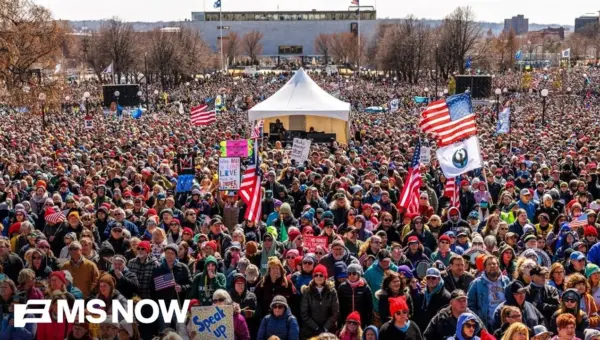
Representative Debbie Wasserman Schultz hailed the growing number of peaceful protesters nationwide as "patriots" defending constitutional rights. She connected these demonstrations to recent Democratic victories in special elections, suggesting a voter backlash against Republican policies and what she calls "chaos."