Ceasefire Shattered: Mideast Plunges Back into Chaos
A newly announced ceasefire in the Middle East has been instantly violated, plunging the region back into chaos. Attacks on oil facilities and pipelines have escalated, with conflicting reports on the terms of the agreement. This rapid breakdown signals a difficult path ahead for regional peace.


Ceasefire Shattered: Mideast Plunges Back into Chaos
A fragile peace agreement, meant to stop the fighting, has already been broken. The region is quickly falling back into chaos as attacks continue just hours after the ceasefire was announced. This rapid escalation shows how difficult it is to bring lasting peace to this volatile part of the world.
Attacks Ripple Across the Region
Early this morning, an oil refinery on Iran’s Leavon Island was attacked. This act of aggression did not go unanswered. Iran quickly retaliated, launching a drone attack that hit Saudi Arabia’s East West oil pipeline. The conflict’s reach extended further as Kuwait reported strikes on its water desalination and power plants.
Reports also indicate that the United Arab Emirates and Bahrain were targeted. Meanwhile, Israel has intensified its air strikes on Lebanon. The images emerging from Lebanon are described as apocalyptic, marking one of the largest coordinated military actions by Israel against the country in recent memory. Tragically, early reports suggest at least 300 people have been killed, with many more injured in these attacks.
Disagreement Over Ceasefire Terms
The situation grew more complex when Iran’s state media outlet, Fars, announced on Telegram that they would block the Strait of Hormuz. This action would happen as long as Israel continued its attacks on Lebanon. Iran claims that Lebanon was included in the ceasefire agreement. However, this assertion is being challenged.
Shabbaz Sharif, the Prime Minister of Pakistan and the independent mediator of the ceasefire, stated that Lebanon is indeed part of the agreement. But, both the United States and Israel are contradicting him, saying Lebanon was not included. Prime Minister Sharif expressed his deep concern in a post this morning, noting that reported violations across the conflict zone undermine the peace process. He earnestly urged all parties to show restraint and respect the two-week ceasefire so that diplomacy could lead to a peaceful resolution.
Confusion Over a Deal with Iran
Adding another layer of bewilderment, many are stunned by a recent deal involving former President Trump and Iran. Even some who typically support a strong stance against Iran are confused. It appears, they say, that the deal conceded to many of Iran’s demands. This includes allowing Iran to control ship traffic through the Strait of Hormuz, a critical global waterway.
Why This Matters
The swift collapse of this ceasefire is a stark reminder of the deep-seated issues and mistrust in the Middle East. When peace talks falter this quickly, it signals that the underlying conflicts are far from resolved. The involvement of multiple nations and the differing interpretations of agreements show how easily a local conflict can spread and involve wider international interests. The control of vital resources like oil and the security of crucial shipping lanes, such as the Strait of Hormuz, are central to global stability. Any disruption in these areas can have far-reaching economic and political consequences for countries around the world.
Historical Context and Background
The Middle East has a long history of complex alliances, rivalries, and conflicts. For decades, tensions between Iran, Israel, Saudi Arabia, and other regional powers have fueled instability. Disputes over territory, resources, political influence, and religious differences have repeatedly led to violence. International involvement, often through mediation or military support for different sides, has also played a significant role. Agreements like the one just broken have been attempted before, but they often struggle to address the core grievances that drive the conflict. The Strait of Hormuz, a narrow waterway between Iran and Oman, is particularly important. About 30% of the world’s oil traded by sea passes through it, making it a constant point of strategic interest and potential conflict.
Implications, Trends, and Future Outlook
The immediate implication of this broken ceasefire is a likely increase in military actions and further loss of life. The economic impact could also be significant, especially if the Strait of Hormuz is indeed blocked, driving up oil prices globally. This event highlights a concerning trend: the difficulty in achieving lasting peace through short-term agreements without addressing the root causes of conflict.
Looking ahead, the region faces a period of heightened uncertainty. The breakdown of diplomacy could lead to a broader, more devastating war. It also puts pressure on international actors to find a more sustainable path to peace. Future efforts will likely need to involve more comprehensive negotiations that tackle issues like regional security, economic cooperation, and political representation for all parties involved. Without such measures, the cycle of conflict and fragile ceasefires is likely to continue, leaving the region and the world in a precarious state.
Source: CEASEFIRE INSTANTLY VIOLATED…LATEST UPDATES — 4/8/26 – 11:59am ET (YouTube)

Related Articles

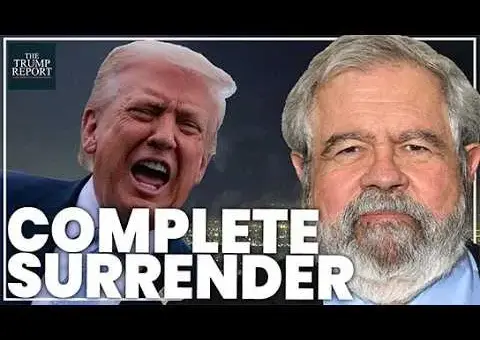
Trump’s Iran Deal Bluster Exposes Weakness, Global Mistrust
Journalist David Cay Johnston analyzes Donald Trump's handling of the Iran situation, arguing it exposed his weakness as a negotiator and damaged US global standing. Concerns about his mental fitness and the long-term impact on the dollar are also discussed.

Democrats’ ‘Trump Derangement’ Fuels Negative Market Outlook
Commentary suggests Democratic opposition to Trump is driven by "Trump derangement," leading to overly negative reactions and overlooking potential positives. This intense political focus can increase uncertainty, potentially impacting investor sentiment and market stability.


Iran War Shifts Calculus on China’s Taiwan Ambitions
The war in Iran, while seemingly creating an opportunity for China to invade Taiwan, actually shifts the calculus. Modern warfare favors defenders, and China's logistical and energy vulnerabilities are now more exposed, making an invasion less likely.