Oil Prices Stay High as Ceasefire Talks Crumble
The fragile ceasefire agreement is showing signs of collapse, with escalating tensions and disputed terms threatening renewed conflict. Disruptions in the Strait of Hormuz loom, potentially driving oil prices higher and impacting global markets. Investors are advised to brace for continued volatility and adopt a cautious investment strategy.


Ceasefire Falters, Strait of Hormuz Closure Threatens Oil Markets
The fragile peace agreement appears to be unraveling as key players dispute its terms, raising concerns about continued conflict and its impact on global energy supplies. Reports indicate that the Strait of Hormuz, a critical chokepoint for global oil shipments, may be facing renewed disruptions.
Escalating Tensions and Conflicting Accounts
Recent events have cast doubt on the stability of the ceasefire. Saudi Arabia’s East West pipeline was reportedly attacked by an Iranian drone, while Israel conducted strikes in Lebanon, resulting in significant casualties. These actions have fueled accusations of ceasefire violations from multiple sides. Israel claims its actions were a response to Iran’s alleged violation of the ceasefire, while Iran asserts that Israel is the one breaking the terms. Adding to the confusion, statements from figures like Carolyn Levitt and Donald Trump have suggested that Lebanon was not part of the original deal, contradicting earlier understandings of a 10-point peace plan that seemingly included Lebanon.
The Role of the White House and Pakistan
Intriguing reports suggest that the White House may have played a direct role in brokering the recent peace talks through Pakistan. This contradicts the public narrative that the U.S. was prepared for military action against Iran, with Pakistan unexpectedly presenting a peace plan. If true, this suggests a more behind-the-scenes diplomatic effort, aimed at providing an “off-ramp” for de-escalation rather than an outright confrontation. This revelation, if accurate, would mean the public messaging was significantly different from the actual diplomatic maneuvering.
Disputed Terms of the 10-Point Plan
The specifics of the 10-point peace plan remain a point of contention. While nine components were reportedly released, the tenth point is widely believed to involve Iran’s uranium enrichment capabilities. Iran insists on its right to enrich uranium as part of the agreement, a demand that has historically been a major sticking point for the U.S. and its allies. The U.S. side, according to some analyses, may have intentionally omitted this contentious point from public discussion to make the deal appear more palatable. Other key demands from Iran reportedly include a permanent end to hostilities, guarantees against future attacks, and the lifting of all sanctions on Iran and its allies.
New Sanctions and Shifting Geopolitics
In a move that appears to contradict the spirit of de-escalation, Donald Trump announced plans to impose 50% tariffs on all entities supplying weapons to Iran. This action is seen as a de facto sanction targeting allies like China and Russia, who are suspected of ramping up arms shipments to Iran. This development could further complicate the geopolitical landscape and potentially embolden countries to strengthen their ties with Iran in defiance of U.S. policy.
Strait of Hormuz Disruptions and Market Reactions
The Strait of Hormuz, through which approximately 20% of global oil consumption passes, is once again at the center of escalating tensions. Iran has indicated that traffic through the strait has been halted, with ships needing to request permission to transit or risk being targeted. Reports suggest that while two ships, a Liberian-flagged and a Greek-flagged vessel, managed to pass, many others in the region are still receiving warnings that the strait is closed. This situation has led to concerns about potential oil supply disruptions. However, crude oil prices, including WTI and Brent, have not shown a significant immediate reaction, remaining at levels seen previously. Both benchmarks have recently experienced declines, with Brent falling below $95 per barrel and WTI trading under $95, indicating that markets may be pricing in a degree of ongoing volatility rather than immediate supply shocks.
Implications for Investors and the Economy
The analyst suggests that the current geopolitical climate points towards a period of “higher for longer” oil prices. This means that consumers and businesses should prepare for sustained elevated energy costs, which could continue to squeeze household budgets and slow economic growth. The expectation is for continued market volatility, creating both risks and potential opportunities for investors. The strategy discussed involves cautious “dip buying” in specific sectors, focusing on fundamental analysis to identify undervalued assets amidst the uncertainty. The analyst notes that significant capital has already been deployed in anticipation of such opportunities.
Ongoing Disputes and Future Uncertainty
The situation remains fluid, with ongoing disputes over the terms of the ceasefire and the inclusion of certain parties. Israel’s Prime Minister reportedly felt left out of the negotiation process, with some former Israeli officials calling the ceasefire a “political disaster.” Iran’s demands for the return of seized assets, estimated to be around $2 billion, are also a significant factor. The continued strikes in Lebanon, even after the supposed ceasefire, highlight the deep-seated tensions. Furthermore, Iran’s insistence on its right to enrich uranium and the U.S. stance against it suggest that a lasting resolution may still be distant. The potential for a full-scale defense response from Iran if the ceasefire is violated further underscores the precariousness of the situation.
Market Impact and Investor Outlook
The ongoing conflict and the potential for further escalation pose a significant risk to global energy markets. While oil prices have not yet surged dramatically, the closure or disruption of the Strait of Hormuz could lead to sharp price increases. Investors should be prepared for continued volatility in oil and related sectors. The “higher for longer” oil price scenario suggests that inflation could remain elevated, impacting consumer spending and corporate earnings. Despite the risks, opportunities may exist for disciplined investors who focus on fundamental analysis and carefully select assets that are well-positioned to weather the uncertainty. The analyst emphasizes a conservative approach to investing, particularly in the current environment, while acknowledging the potential for strategic buying during market dips.
What Investors Should Know
- The ceasefire agreement is facing significant challenges, with conflicting interpretations and accusations of violations.
- Disruptions in the Strait of Hormuz remain a key risk to global oil supply and could lead to higher energy prices.
- Geopolitical tensions suggest a prolonged period of elevated oil prices, impacting inflation and economic growth.
- Investors should anticipate continued market volatility and adopt a cautious, selective approach to investing, focusing on fundamental analysis.
- Opportunities may arise from market dips, but careful research and risk management are crucial.
Source: CEASEFIRE FALLING APART | STRAIT OF HORMUZ CLOSED AGAIN (YouTube)

Related Articles
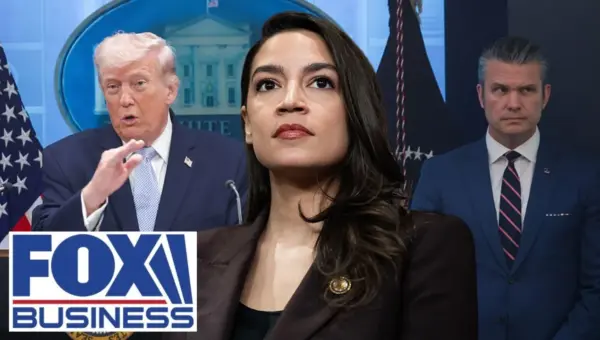
GOP Rep: AOC’s Military Stance is ‘Act Two’ of Defiance
A Republican congressman criticized Representative Alexandria Ocasio-Cortez's stance on military orders, calling it "Act Two" of progressive defiance. The comments highlight ongoing debates about foreign policy, particularly concerning Iran's nuclear program and regional stability.
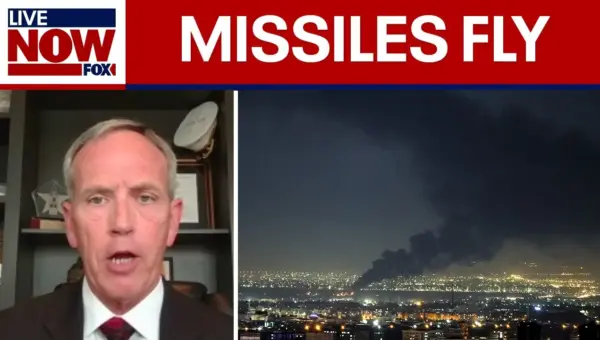
Iran Violates Ceasefire: Missiles Fly After US-Iran Deal
Despite a declared ceasefire between the US and Iran, ballistic missiles and drones continue to fly, with the UAE reporting ongoing attacks. Experts question the scope of the deal, especially concerning regional allies and Iran's nuclear program. The situation remains tense as negotiations progress.
Iran Claims Victory as US Agrees to Ceasefire, Strait of Hormuz Reopens
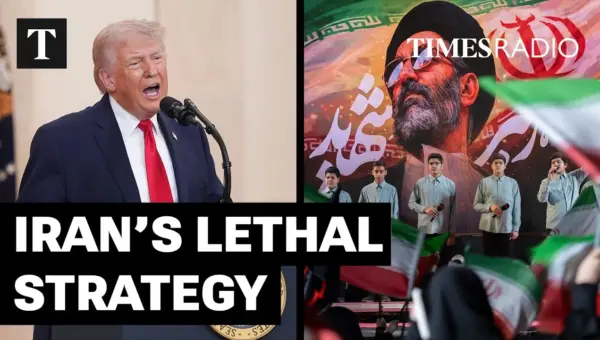
Iran has claimed a strategic victory after securing a temporary ceasefire with the United States and an agreement to reopen the Strait of Hormuz. U.S. officials confirmed the deal, highlighting the removal of Iran's enriched uranium stockpiles as a key outcome. Experts remain cautiously optimistic, noting the complex geopolitical implications and the potential impact on international relations.