GOP Rep: AOC’s Military Stance is ‘Act Two’ of Defiance
A Republican congressman criticized Representative Alexandria Ocasio-Cortez's stance on military orders, calling it "Act Two" of progressive defiance. The comments highlight ongoing debates about foreign policy, particularly concerning Iran's nuclear program and regional stability.

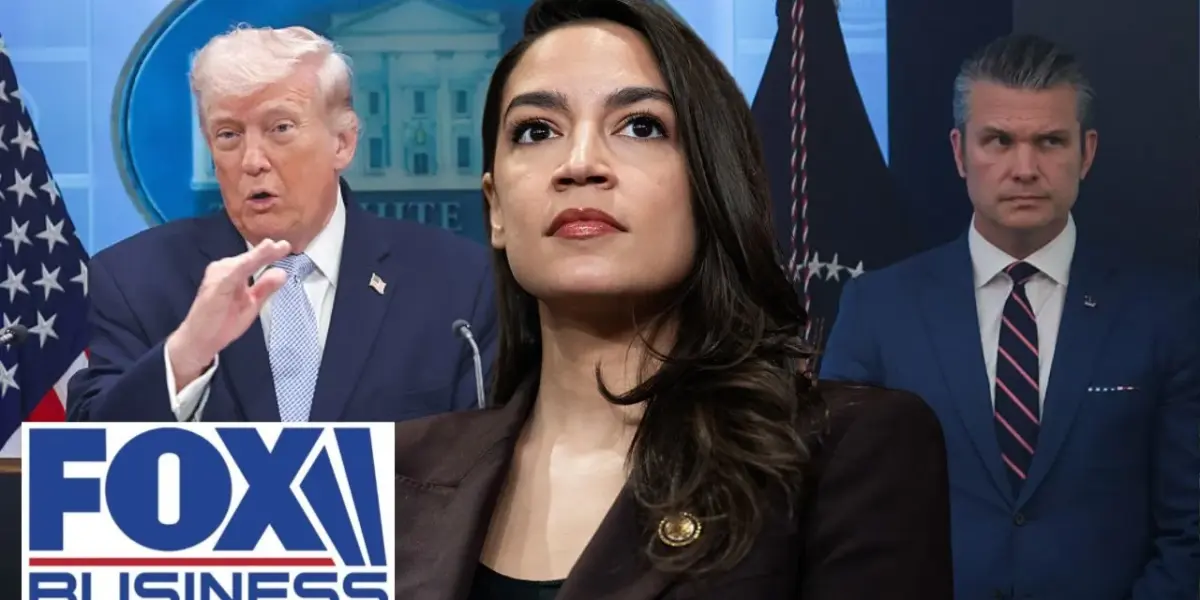
GOP Lawmaker Criticizes AOC’s Stance on Military Orders Amid Geopolitical Tensions
A Republican congressman has strongly criticized Representative Alexandria Ocasio-Cortez’s recent remarks regarding military orders, labeling her position as the second act in a pattern of defiance by progressive Democrats. The comments come as the nation navigates complex foreign policy challenges, particularly concerning Iran and its nuclear ambitions.
Concerns Over Iran’s Nuclear Program
The congressman, speaking on condition of anonymity, expressed his views on the ongoing situation with Iran. He emphasized the need to prevent Iran from developing nuclear weapons. “Finishing the job means getting rid of the regime,” he stated, though he also voiced doubts about whether recent changes truly represent a new regime. His primary concern is ensuring Iran has no capacity to create a nuclear bomb and does not become a nuclear-armed state. He also noted concerns about Iran controlling the Strait of Hormuz, a vital shipping lane.
While expressing trust in President Trump and his administration to secure the best deal for the United States, the congressman stated a clear distrust of the current Iranian regime. He invoked a modified version of Ronald Reagan’s famous phrase, saying, “Unlike Reagan who said trust, but verify. I say don’t trust and verify.” This highlights a cautious approach to negotiations with Iran.
Criticism of Ocasio-Cortez’s Military Stance
The congressman directly addressed Representative Ocasio-Cortez’s call for the military to potentially deny orders. He described her actions as “Act Two in the defiance mode of these radical, you know, Democrats.” He believes that her ideology leads her to oppose anything that advances America’s interests. “Anything that advances the, you know, it’s in America’s interest, she’s against. Everything that’s against America’s interest, she’s for,” he asserted.
He clarified that while orders might be inconvenient for her or her political beliefs, they do not make them illegal. The congressman reminded listeners that all soldiers are trained to refuse illegal orders. He stated that the President had not issued any illegal orders and that the target list mentioned by Secretary Hegseth consisted of legitimate military targets. Therefore, any orders carried out would be legal. He credited the strength of American military power for bringing Iran to the negotiating table.
“The President has issued legal orders and the Secretary of State has carried them out and our great Armed Services have done a fantastic job in carrying out this mission.”
Monitoring the Situation in Cuba
The conversation also touched upon the situation in Cuba. The congressman described the current Cuban regime as being in its weakest position in over 60 years. He acknowledged that the President is paying attention to Cuba, but he could not predict future events. He stressed that the people of Cuba deserve a free and democratic nation. While he expressed more optimism than in the past, he cautioned against premature celebration, stating, “I don’t count my chickens before they hatch.”
Market Impact
Geopolitical tensions and foreign policy decisions can significantly impact global markets. Uncertainty surrounding Iran’s nuclear program and its control over the Strait of Hormuz could affect oil prices and international trade routes. Fluctuations in oil prices can ripple through various sectors, influencing transportation, manufacturing, and consumer spending. The strength and clarity of U.S. foreign policy can also affect investor confidence and international investment flows. Developments in regions like Cuba can have localized economic effects and could influence broader perceptions of regional stability, potentially impacting sectors reliant on international relations or specific commodities.
What Investors Should Know
Investors closely watch geopolitical events as they can introduce volatility into financial markets. Statements and actions related to international relations, particularly concerning major economic players like Iran or strategically important regions, can influence asset prices. Understanding the potential impact on energy markets, global supply chains, and overall economic stability is crucial. While specific investment advice cannot be given, staying informed about these developments allows investors to better assess risks and opportunities within their portfolios.
Source: AOC's military demand is 'JUST ACT TWO' in Dems' defiance mode: GOP rep (YouTube)

Related Articles
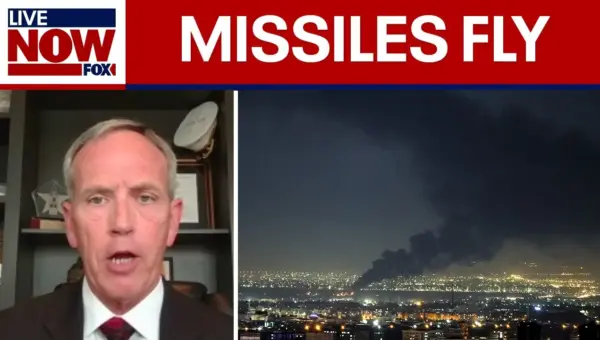
Iran Violates Ceasefire: Missiles Fly After US-Iran Deal
Despite a declared ceasefire between the US and Iran, ballistic missiles and drones continue to fly, with the UAE reporting ongoing attacks. Experts question the scope of the deal, especially concerning regional allies and Iran's nuclear program. The situation remains tense as negotiations progress.
Iran Claims Victory as US Agrees to Ceasefire, Strait of Hormuz Reopens
Iran has claimed a strategic victory after securing a temporary ceasefire with the United States and an agreement to reopen the Strait of Hormuz. U.S. officials confirmed the deal, highlighting the removal of Iran's enriched uranium stockpiles as a key outcome. Experts remain cautiously optimistic, noting the complex geopolitical implications and the potential impact on international relations.

China’s Nuclear Power Boom Risks Global Safety
China's rapid expansion of nuclear power is raising serious global safety concerns due to widespread construction defects. Despite building more reactors than any other nation, reports reveal significant quality issues, prompting worries about potential accidents. Past Western technological assistance is also noted, as China seeks to export its nuclear technology worldwide.