Iran Claims Victory as US Agrees to Ceasefire, Strait of Hormuz Reopens
Iran has claimed a strategic victory after securing a temporary ceasefire with the United States and an agreement to reopen the Strait of Hormuz. U.S. officials confirmed the deal, highlighting the removal of Iran's enriched uranium stockpiles as a key outcome. Experts remain cautiously optimistic, noting the complex geopolitical implications and the potential impact on international relations.

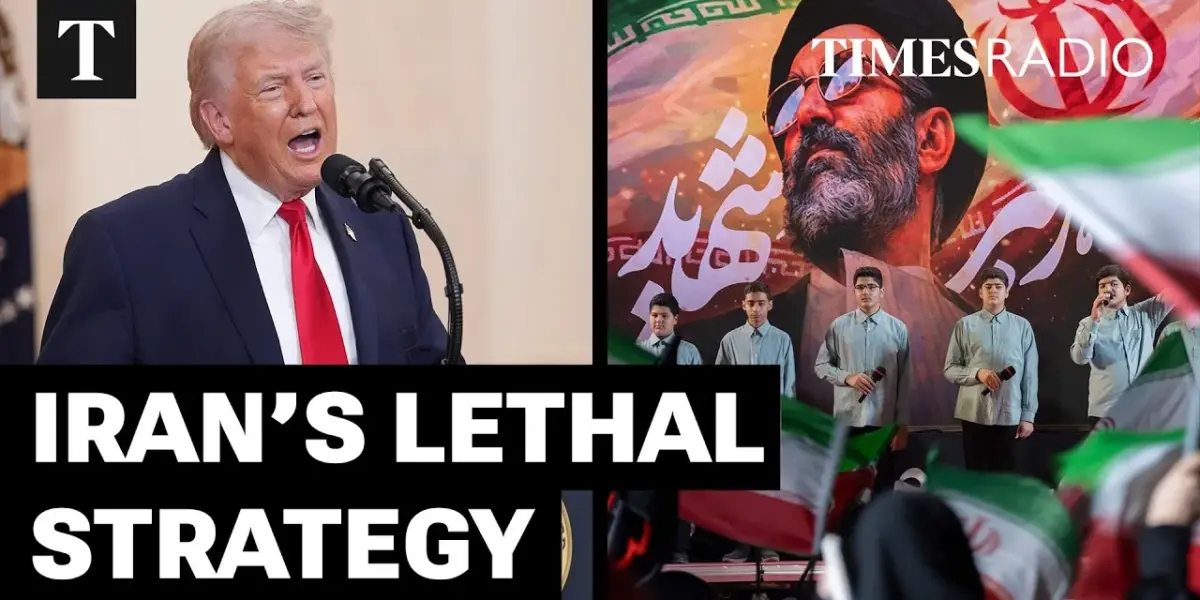
Iran Declares Strategic Win After US Ceasefire Agreement
Iran has declared a strategic victory following an agreement with the United States for a temporary ceasefire. The deal, which also includes reopening the vital Strait of Hormuz, comes after a period of heightened tensions and threats of military action. U.S. Secretary of War Pete Hegsath stated that President Trump showed “mercy” by not crippling Iran’s economy and instead accepted a ceasefire under “overwhelming pressure” from Iran.
Nuclear Deal at Center of Agreement
A key component of the ceasefire agreement involves Iran’s nuclear program. U.S. officials claim that Iran’s stockpiles of enriched uranium will be removed by American personnel. Hegsath asserted that this deal ensures Iran will “never ever possess a nuclear weapon.” Under the terms, any nuclear material Iran possesses will be removed and closely monitored. “The president has been clear from the beginning. There will be no Iranian nuclear weapons. Period. Full stop,” Hegsath stated.
International Reaction and Expert Analysis
Western leaders, including Keir Starmer, welcomed the ceasefire in a joint statement, emphasizing the need for diplomacy to achieve lasting peace. However, former United Nations special envoy Peter Golra expressed a more cautious outlook.
“It’s certainly better than having had a massive military strike… It didn’t surprise me. There’s an expression in the United States now called taco. Trump always chickens out.”
Golra suggested that Iran’s response to what he called an “unprovoked sneak attack” was strategically effective. Iran’s actions disrupted the global economy, significantly raising gas prices and causing political damage to President Trump. This pressure, Golra believes, led Trump to back down from military action.
Strait of Hormuz: Open for Business?
The reopening of the Strait of Hormuz, a critical chokepoint for global oil transport, is a significant development. Iran had previously threatened to close the waterway, leading to increased insurance rates for tankers and reduced shipping traffic. Golra noted that while Iran has suggested charging tolls, it remains an international waterway, and its ability to impose such fees is uncertain. He also pointed out that Iran’s threats, rather than actual widespread ship strikes, were the primary cause of the disruption.
Diplomatic Voices and Global Reputation
The article raises questions about the presence of genuine diplomatic voices in the ongoing situation. While leaders have welcomed the ceasefire, the rhetoric from figures like Pete Hegsath and Donald Trump has been described as less than diplomatic. Golra highlighted that the U.S. withdrawal from potential military action has also damaged its relationships with allies, who were not consulted or involved in the initial decisions. He also noted that Trump’s public criticism of leaders like the British Prime Minister and the refusal of French and Spanish airspace for American planes have strained transatlantic ties.
Unclear Objectives and Future Implications
Golra also pointed to the confusion surrounding the U.S. objectives in the conflict. Initially, the goal seemed to be regime change, then acquiring Iran’s nuclear material, which Trump had previously claimed was already destroyed. The shifting objectives and conflicting statements from U.S. officials create ambiguity. The cost to the U.S. has been substantial, including the use of expensive missile defense systems against lower-cost drones. “It’s not clear that anything has actually been accomplished,” Golra concluded, adding that while an agreement could be seen as a gain, the damage to U.S. global reputation and strained alliances may take a long time to repair.
Looking Ahead
With a temporary ceasefire in place, the focus now shifts to whether a lasting diplomatic solution can be found. The willingness of both sides to negotiate, the specifics of nuclear material removal, and the potential lifting of sanctions will be crucial factors. The long-term impact on international relations and the stability of the Strait of Hormuz remain key areas to watch.
Source: Iran Claims Strategic Victory After ‘Extremely Effective’ Response To US Attack (YouTube)

Related Articles
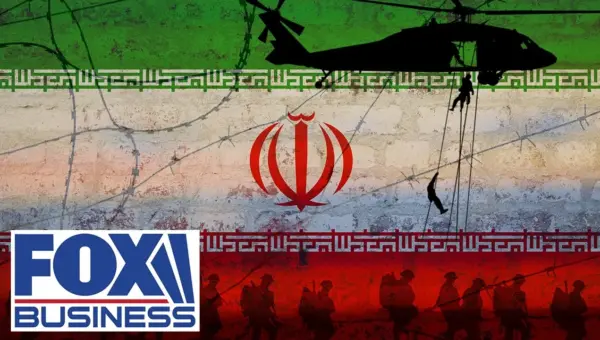
Iran Deal Faces Doubt Amid Ceasefire and Sanctions Talk
A two-week ceasefire between the U.S. and Iran offers a path to negotiations, potentially easing tensions and leading to sanctions relief. However, strong verification of Iran's commitments remains a key challenge for U.S. policymakers.


US, Iran Agree to Ceasefire, Gulf Nations Report New Attacks
The U.S. and Iran have agreed to a two-week ceasefire, de-escalating recent conflict. However, Gulf nations report new drone and missile attacks, expressing concerns over the truce's fragility. Experts question the long-term gains and criticize President Trump's aggressive rhetoric.

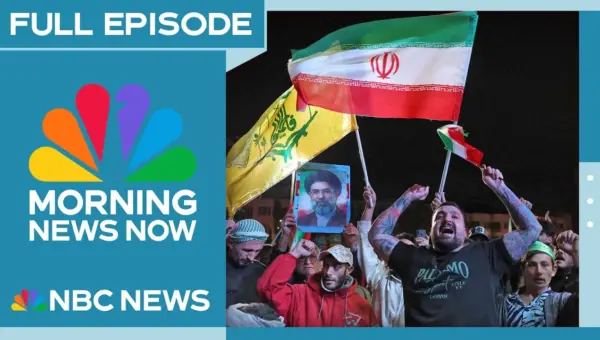
US and Iran Agree to 2-Week Ceasefire, Peace Talks Loom
The U.S. and Iran have agreed to a two-week ceasefire, halting a month-long conflict that threatened wider escalation. President Trump announced the truce after Pakistan presented a ten-point peace plan, which the U.S. calls a "workable starting point." The deal hinges on the reopening of the Strait of Hormuz, but significant questions remain about Iran's nuclear program and regional stability.