General Slams Trump’s ‘Unhinged’ Iran Rhetoric as Deal Talks Loom
A retired four-star general has sharply criticized former President Trump's "unhinged" rhetoric concerning Iran amidst fragile diplomatic talks. Conflicting interpretations of a potential deal between the U.S. and Iran highlight significant disagreements, particularly over nuclear enrichment and sanctions. Experts question whether a lasting agreement can be reached given these fundamental differences and concerns over Trump's leadership.

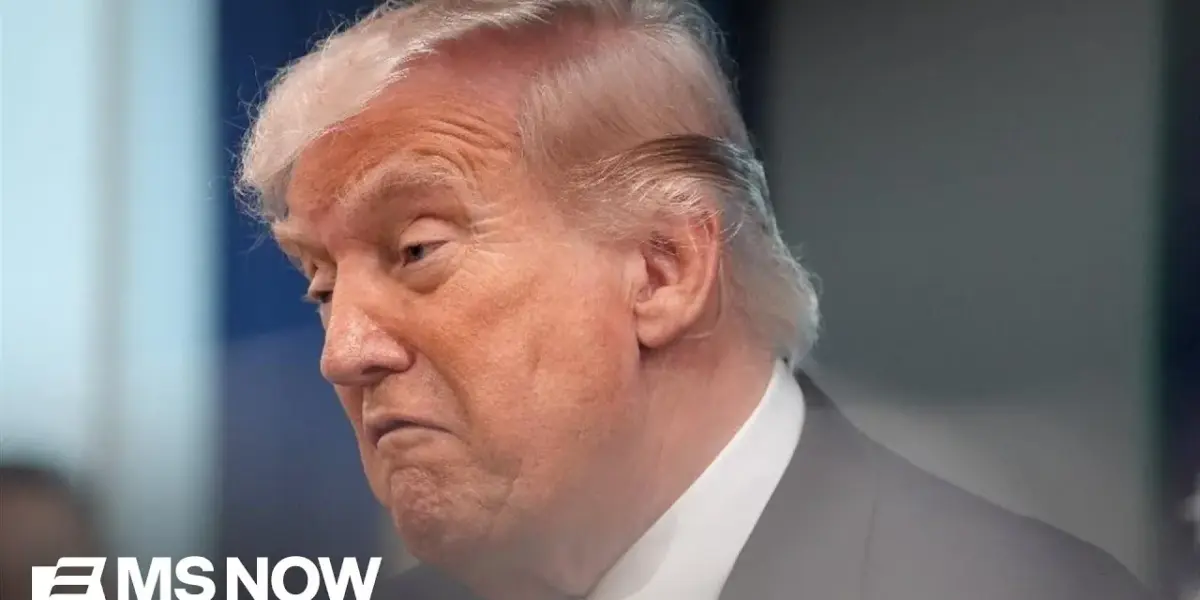
General Criticizes Trump’s Iran Stance Amidst Diplomacy
A retired four-star general has strongly condemned former President Donald Trump’s public statements regarding Iran, calling them “unhinged” and “unacceptable” for American values. The comments come as fragile diplomatic efforts appear to be underway to de-escalate tensions and potentially reach a new agreement with Iran. This sharp criticism highlights deep divisions and concerns about Trump’s approach to foreign policy, particularly concerning Iran’s nuclear program and regional influence.
Conflicting Narratives Emerge on Iran Deal
Details surrounding a potential new agreement with Iran remain scarce, creating a confusing picture for allies and observers. While the Trump administration has hailed a recent development as a “major victory,” experts point out significant discrepancies between U.S. and Iranian interpretations of the proposed terms. This confusion is compounded by the fact that negotiations, if they occur, will happen on a much shorter timeline than previous efforts, such as the two-year process that led to the Obama-era JCPOA nuclear deal.
According to Trump’s posts on Truth Social, the U.S. would work with Iran to remove uranium, stating, “There will be no enrichment of uranium.” He also mentioned digging up and removing “deeply buried B-2 bombers, nuclear dust” under satellite surveillance. Trump further suggested that tariff and sanctions relief would be discussed, with many points already agreed upon.
However, Iran’s perspective, outlined in a 10-point plan shared on social media, presents a starkly different view. Iran insists on the acceptance of its right to nuclear enrichment as a prerequisite for any peace deal. They also demand the removal of sanctions without conditions on highly enriched uranium, a long-standing point of contention. This fundamental disagreement over enrichment and sanctions underscores the deep incompatibility that remains between the two nations.
Iran’s Motivations and US Leverage
Experts suggest that Iran may have agreed to some form of diplomacy due to perceived desperation from the Trump administration to secure a deal. Threats of targeted attacks on Iranian infrastructure, such as power plants and bridges, may have also prompted Iran to seek a de-escalation. Images of civilians forming human shields around these sites reportedly signaled to Iran the need for a deal to prevent attacks within its borders.
Despite this, Iran’s current proposal is seen as largely consisting of its maximalist demands. Some of these demands, like de facto Iranian control over the Strait of Hormuz or the presence of U.S. military bases in the Gulf, are considered impossible for the U.S. and its regional allies to accept. The Strait of Hormuz is a vital waterway, and its control by Iran would significantly alter regional dynamics and trade.
Ceasefire Holds, But Core Issues Remain
A two-week ceasefire is currently in place, a crucial step that has allowed for the possibility of face-to-face negotiations. However, even during this period, missiles have reportedly been launched from Iran into Gulf states. The current framework is viewed as a ceasefire that gives Iran leverage, placing the ball firmly in its court as discussions potentially move forward.
“Candidly, I think all the positions are still the same. And that doesn’t augur well for trying to get to an actual comprehensive deal.”
Richard Nephew, a former deputy special envoy for Iran, expressed skepticism about the prospects for a comprehensive deal. He believes that both Iran and the United States are reluctant to re-engage in conflict, making a continued ceasefire the most likely outcome. Nephew noted that Iran appears more willing to continue discussions, citing their insistence on controlling the Strait of Hormuz, continuing nuclear enrichment, and supporting Hezbollah. These positions align with Iran’s 10-point plan but clash with the U.S.’s 15-point proposal.
Military Objectives Questioned
The Trump administration has claimed that all its military objectives were achieved during the recent conflict, aiming to “decimate the Iranian military” and its ability to wage conventional war. Vice President Vance and Secretary Hegseth have echoed these sentiments, stating that Iran suffered a “devastating military defeat” and that America, with Israeli partners, achieved every objective as planned.
However, military analysts offer a different assessment. While acknowledging a brilliant air campaign that eliminated much of Iran’s conventional military power, they point out that Iran still controls the Strait of Hormuz and has not agreed to abandon its nuclear development program. The claim of regime change is also disputed, with some arguing that the conflict may have strengthened the control of Iran’s Islamic Revolutionary Guard Corps (IRGC). Furthermore, the behavior of the U.S. has reportedly eroded trust among key allies like South Korea, Australia, and Japan.
Concerns Over Trump’s Rhetoric and Future Leadership
Retired General Barry McCaffrey voiced strong disapproval of Trump’s public statements, particularly those made on Easter and the following day. He described the posts as “unhinged” and “incoherent,” stating that they were “flat, unacceptable for American values and the Constitution.” McCaffrey described the situation as “astonishing” and expressed concern about having Trump as Commander-in-Chief for two more years, calling it a “sobering thought.” Allies worldwide have reportedly reacted with disbelief to these statements.
The White House is facing questions about how it is reconciling Trump’s earlier demand for Iran’s “unconditional surrender” with the current diplomatic approach. When asked about the end game previously, officials defined surrender as occurring when Trump felt his war objectives were met. However, the term “ultimate surrender” is now seen as highly flexible, depending on the outcome of negotiations that could lead in various directions.
The rapid shifts in rhetoric have been noted, moving from threats of war crimes to attempting to work with Iran within a single day. This instability is attributed, in part, to the significant political and economic pressure Trump is facing. Even some staunch Republican supporters and conservative media figures have begun to criticize Trump’s “maximalist rhetoric” regarding the war as unacceptable, signaling a growing dissent even within his base.
Looking Ahead
The coming days will be critical as potential face-to-face negotiations loom. The world will be watching to see if a genuine diplomatic breakthrough can be achieved, or if the deep-seated disagreements and conflicting objectives will lead to a continued stalemate or renewed conflict. The stability of the region and the credibility of international diplomacy hang in the balance.
Source: 'Unhinged, incoherent': Four-star general slams Trump's 'unacceptable' rhetoric (YouTube)

Related Articles
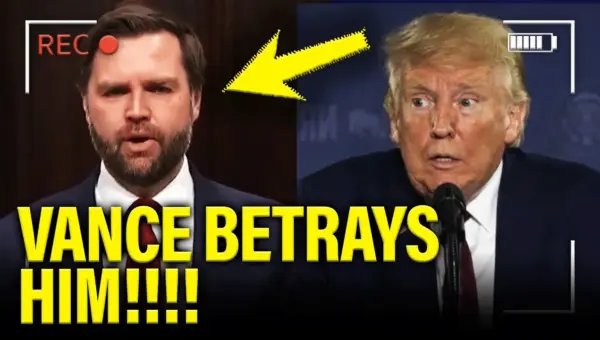
Vance’s Power Play: Is He Undermining Trump for His Own Gain?
Senator JD Vance is under scrutiny for alleged leaks to the media and his role in a controversial Iran ceasefire deal. Some speculate he's positioning himself for a future leadership role, potentially at Donald Trump's expense.
Kristol: Trump’s Policies Make US a Rogue Power
Republican strategist Bill Kristol fears Donald Trump's presidency has turned the U.S. into a "rogue power." He criticizes recent military actions and the weakening of alliances, warning of long-term damage to America's global standing and the international order. Kristol expressed deep concern about the direction of U.S. foreign policy and its potential consequences.

US and Iran Agree to 2-Week Ceasefire, Peace Talks Loom
The U.S. and Iran have agreed to a two-week ceasefire, halting a month-long conflict that threatened wider escalation. President Trump announced the truce after Pakistan presented a ten-point peace plan, which the U.S. calls a "workable starting point." The deal hinges on the reopening of the Strait of Hormuz, but significant questions remain about Iran's nuclear program and regional stability.