US, Iran Agree to Ceasefire, Gulf Nations Report New Attacks
The U.S. and Iran have agreed to a two-week ceasefire, de-escalating recent conflict. However, Gulf nations report new drone and missile attacks, expressing concerns over the truce's fragility. Experts question the long-term gains and criticize President Trump's aggressive rhetoric.


US and Iran Announce Two-Week Truce Amidst Escalating Tensions
The United States and Iran have reached a temporary ceasefire agreement, halting over a month of intense fighting. The truce, announced yesterday, is set to last for two weeks. This development comes after President Trump issued a stark threat on Truth Social, stating the U.S. would “wipe out a civilization” if Iran did not meet a deadline for negotiations. While the Pentagon confirmed the ceasefire, significant questions remain about the future control of sensitive materials and the broader implications for regional stability.
Pentagon Confirms U.S. Presence to Ensure Compliance
Defense Secretary Pete Hegseth, speaking from the Pentagon, confirmed that U.S. forces will remain in the region to monitor the ceasefire and ensure Iran’s compliance. “We’re not going anywhere,” Hegseth stated. “We’re going to make sure Iran complies with this ceasefire and then ultimately comes to the table and makes a deal.” He added that troops are prepared to defend and, if necessary, go on the offensive at a moment’s notice to enforce the agreement. The administration insists this deal means Iran will not possess nuclear weapons.
Gulf States Express Fragile Hope Amidst New Attacks
Despite the ceasefire announcement, Gulf nations have reported new attacks involving Iranian drones and missiles. These countries, which have been targets of Iranian aggression for over a month, view the truce with caution. “The Gulf states see this as a very fragile ceasefire,” reported Inzamam Rashid from Dubai. The concern stems from the potential for various factions within Iran to act independently, launching attacks without central command. Nations like the UAE and Oman, bordering the vital Strait of Hormuz, are particularly worried about Iran’s continued control and profit from this key waterway.
“They feel that maybe they’ve been sidelined slightly when it comes to negotiations for peace in this region. They want a seat at the table to ensure that their voice is heard.”
Ceasefire Averts Immediate Strikes on Infrastructure
The temporary halt in fighting has brought a sigh of relief to the Gulf, preventing potential strikes on critical infrastructure. Reports indicate that Iran had identified targets such as power plants, bridges, and telecommunication sites. The UAE’s nuclear facility was also reportedly on Iran’s target list. The averted attacks mean these vital sites, including water desalination plants, were spared. This temporary peace allows for a shift towards negotiation, with potential talks between the U.S. and Iran scheduled for Friday in Pakistan. However, Gulf states like the UAE and Saudi Arabia are pushing for inclusion in these discussions to ensure their security concerns are addressed.
Experts Question Accomplishments and Trump’s Rhetoric
Analysts and historians are questioning the tangible long-term achievements of the recent military actions against Iran. “I’m struggling to come up with what we actually accomplished here, long-term, for the region,” commented David Rode, senior national security reporter. The effectiveness of degrading, rather than eliminating, Iran’s military capabilities is a key point of debate. Furthermore, President Trump’s threat to “wipe out the entire Iranian civilization” has drawn sharp criticism. Presidential historian Douglas Brinkley called the utterance “horrendous” and “the single worst utterance by an American president on record,” likening it to rhetoric associated with war crimes and genocide.
Strait of Hormuz Remains a Point of Contention
A central issue in the ongoing conflict is the Strait of Hormuz, a critical global oil transit route. While the administration claimed the Strait would be fully open, experts suggest Iran may now have increased control or benefit more from its passage. The ability of Iran to accurately strike refineries and natural gas facilities in Saudi Arabia, Kuwait, Qatar, and Dubai has demonstrated a previously unknown level of capability. This raises concerns about regional security and the potential for future disruptions. The argument that air power alone was insufficient to control the Strait or bring down the Iranian regime is also being made.
Uncertainty Looms as Negotiations Approach
As the two-week ceasefire unfolds, the focus shifts to the upcoming negotiations. The inclusion of Gulf states in these talks is crucial for them to secure a path toward lasting peace and stability in the region. The effectiveness of President Trump’s approach, which relies heavily on asserting will, is being tested against the complex realities of international diplomacy. While the immediate threat of wider conflict has receded, the underlying tensions and the question of Iran’s nuclear ambitions remain significant challenges. The world watches to see if this fragile truce can pave the way for a more durable resolution.
Source: Gulf countries report attacks after ceasefire deal (YouTube)

Related Articles

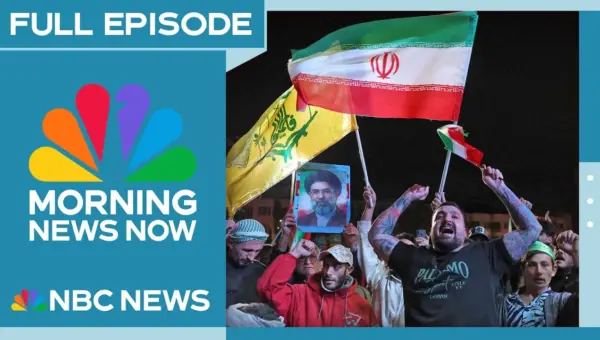
US and Iran Agree to 2-Week Ceasefire, Peace Talks Loom
The U.S. and Iran have agreed to a two-week ceasefire, halting a month-long conflict that threatened wider escalation. President Trump announced the truce after Pakistan presented a ten-point peace plan, which the U.S. calls a "workable starting point." The deal hinges on the reopening of the Strait of Hormuz, but significant questions remain about Iran's nuclear program and regional stability.

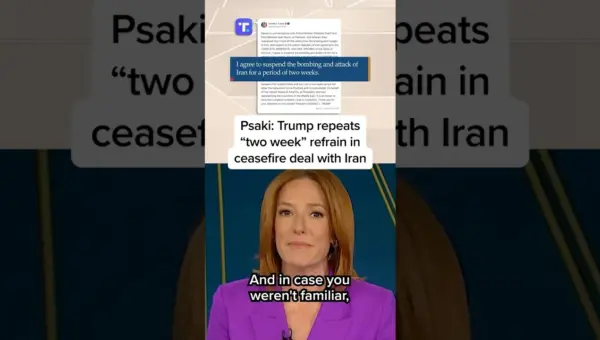
Psaki Mocks Trump’s Familiar ‘Two Weeks’ Iran Ceasefire Claim
Former White House Press Secretary Jen Psaki highlighted a familiar pattern in Donald Trump's recent statements about a potential Iran ceasefire deal. Psaki noted Trump's repeated insistence on a 'two-week' timeline, suggesting it echoes past rhetoric without substantive backing. This observation points to the recurring nature of his diplomatic talking points.


Iran Controls Persian Gulf After US Ceasefire, Analyst Claims
Iran has asserted control over the Persian Gulf following a US-declared military victory and ceasefire, according to analyst Tim Marshall. Despite US claims of success, Marshall argues Iran's actions demonstrate its regional dominance, particularly concerning its nuclear program and control of the Strait of Hormuz.