Tanking Takes Toll: Players Slam NBA’s Losing Culture
Players and analysts discuss the damaging effects of NBA 'tanking,' where teams prioritize losing for better draft picks. Former NBA star Iman Shumpert highlights player frustration with the practice, while others point to front office decisions and fan backlash as major concerns.

Tanking Takes Toll: Players Slam NBA’s Losing Culture
The NBA’s playoff push is heating up, but a dark cloud hangs over the league: tanking. Teams are accused of doing everything they can to lose games, making for painful viewing. This problem isn’t just in the NBA; with the NFL draft approaching and talk of future star quarterbacks, like a Manning, entering the league, tanking could become a hot topic in football next season too. As long as teams are rewarded for losing, this issue will stick around.
NBA’s Proposed Fixes Face Hurdles
The NBA is aware of the problem. Commissioner Adam Silver plans to tackle it with new initiatives. However, any changes need approval from 23 out of the 30 teams, which is a tough hurdle. The core issue is that you can’t easily stop teams from losing. Sometimes teams lose because they’re simply not good enough, not because they’re trying to lose on purpose. But the real problem starts when the integrity of the game is questioned. This happens when players are put in situations where their contracts or futures are on the line because the team is actively trying to lose.
Cutting the Lottery: A Radical Solution?
One proposed solution is to cut off the draft lottery much earlier in the season. Instead of waiting until after 82 games, imagine if the lottery odds were set by December, after just 30 games. This wouldn’t stop tanking completely, but it would force teams to stay competitive for longer. Fans would pay attention to games, and teams would have to focus on player development instead of just losing. This change could prevent the awkward situations seen when teams appear to be trying to lose right before a major draft.
Players Speak Out: ‘Integrity Is Everything’
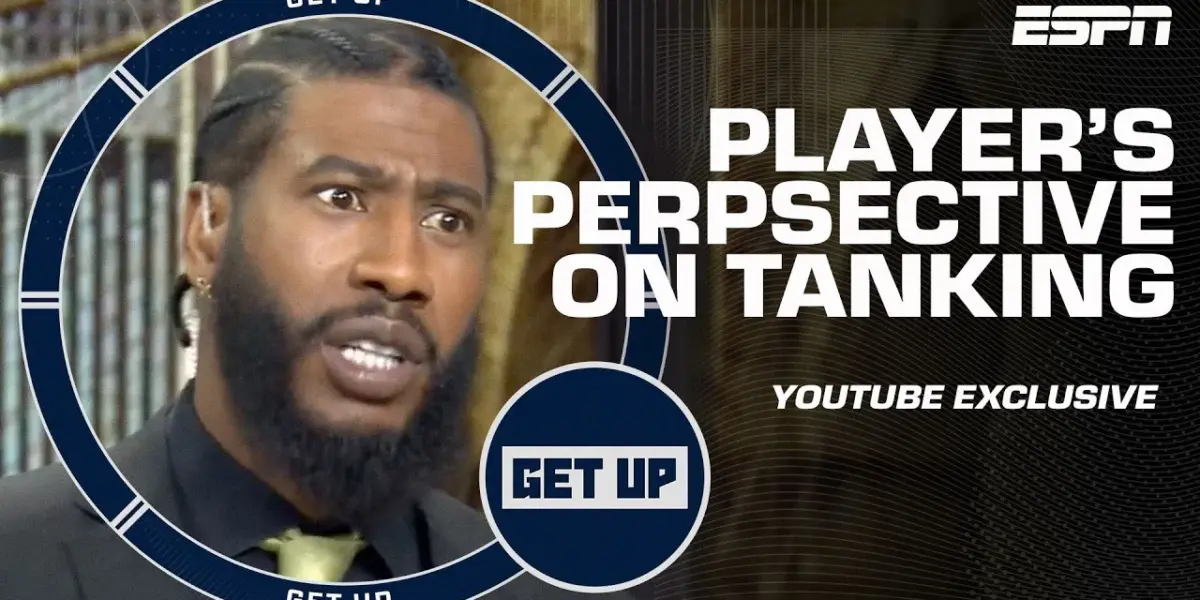
Former NBA player Iman Shumpert, known as “Shump,” shared his perspective. He noted that this issue became more common during his playing days. “We live in a different world and we all have to accept that,” Shump said, reflecting on how things have changed. He believes players just want to keep the game competitive. “I think that they should go back to that old structure where you just reach in there and see who gets the pick. Let’s do it that way. That way we’ll be looking at a level of competition that we can say at least it’s honest,” he explained.
“Like he said, integrity is everything in this league. Um, but back in the day when other teams used to do that, we used to talk about it openly in the locker room like, ‘Oh yeah, they tanking. We better beat them by 40.'”
Shump added that players used to joke about it, even encouraging teammates to run over and “stomp on them” if they were tanking. This shows that tanking was a known, albeit different, issue among players back then. It was something to overcome, not a strategic choice by management.
Front Offices vs. Locker Rooms: A Disconnect
Lewis, who has experience in front offices, believes this conversation is strictly for the executives, not the players. “Players never talk about this kind of stuff. Players aren’t wired that way,” he stated. Players are wired to look at the scoreboard and know if they won or lost. They play sports to win and miss that competition after they retire. A scoreboard tells the truth; it’s objective. When you take away the ability to compete honestly for a win, you strike at the heart of sports.
Lewis feels that front offices look at things from a business perspective, making detached, long-term decisions. “They say look we’ll take we’ll take some losses now if we think we can project that in the future by us doing this taking this loss now we’ll be better in the future,” he said. “They don’t care about what the players are actually going through down on the football field when those kind of things happen.” He thinks this hurts players and attacks the game’s integrity, which should never be compromised.
The ‘Greater Good’ Argument Fades
The idea that teams are competing for the “greater good” seems to have vanished. While billion-dollar decisions are being made, and players like LeBron James are incredibly valuable, focusing only on the draft as the path to improvement is seen as taking the easy way out. This creates a losing environment that’s incredibly hard to escape. Unlike Oklahoma City, which recovered quickly due to a winning culture fostered by coach Sam Presti, other teams get stuck in a cycle of losing. Philadelphia’s struggles over the years are a prime example.
There’s also an incentive for coaching staffs and GMs. By tanking, they can extend their contracts, pushing responsibility further down the road. This creates a situation where no one is held accountable in the short term. When a draft pick finally arrives, they’re young, and it takes another year or more to see if they can contribute. This cycle of delayed success needs to be discussed openly.
Fans’ Frustration and the Jets’ Dilemma
Fans across all sports hate this discussion. Nothing angers fans more than feeling their team isn’t competing or is just setting itself up for future success. Social media shows how much fans dislike seeing their teams purposely lose. They don’t want to constantly look to the future for hope. If fans don’t know if their team is trying to win, they might stop supporting them, stop buying merchandise, or stop attending games. Why invest if the effort isn’t there?
The flip side is painful for lifelong fans. Take the New York Jets, for example. When the team wins late in the season, fans are often upset because it hurts their draft position. “We got to try and get Fernando Mendoza,” one fan lamented. “I hate rooting against my team. The last thing in the world you should ever want is to be rooting against your team.” The fact that fans are conflicted over whether they want their team to win is the problem itself.
Speed of Change and Player Uncertainty
While some front offices might sell a long-term plan, a good one can turn a team around quickly. In the NFL, a team can go from 3-14 to 14-3 in a year due to roster flexibility and contract structures. In the NBA, what used to take five years for a turnaround now often takes just two. The Detroit Pistons are a prime example, going from 14-68 to a 60-win team by getting the draft and their front office right.
For the players on these teams, the situation is even worse. They face uncertainty about their future, their health, and how many years they have left in the league. “There’s no worse feeling if you’re on the team that’s tanking your you’ve got uncertainty about your future. You’ve got uncertainty about your health,” one panelist shared. Management essentially tells them they aren’t good enough and the team is waiting for a younger player. This mindset forces players to lose for someone else’s benefit, creating a deeply negative environment.
Shump shared a personal story: “I’m no different, I think me and Jr. got traded. They had an eighth grader in there. I’m serious. The pick was that far in advance. It’s like, did I just get traded for an eighth grader?” This highlights the feeling of being dispensable, traded for a draft pick that might be years away, making players question their value and the team’s commitment to winning with them.
Source: Iman Shumpert's player's perspective on playing ON & AGAINST tanking teams 📉 | Get Up YT Exclusive (YouTube)

Related Articles

Celtics Dominate, Extend East Lead; Knicks Called ‘Soft’
The Boston Celtics are asserting dominance in the Eastern Conference, with Jaylen Brown and Jayson Tatum leading the charge. Meanwhile, the New York Knicks face criticism, being labeled 'soft' by Stephen A. Smith. The discussion also highlights ongoing concerns about tanking and league integrity.

LeBron’s Final Act: LA or Cleveland?
As LeBron James contemplates his career's end, he's open to a supporting role. Analyst Vince Goodwill questions the appeal of being the second-best player at his age. The Los Angeles Lakers appear to be the most logical option, while a Cleveland return seems unlikely.

LeBron’s Lakers Legacy: Is LA the Perfect Fit?
Vincent Goodwill and Iman Shumpert joined Mike Greenberg on Get Up to discuss LeBron James's future. They debated whether the Los Angeles Lakers are the best place for him to finish his career. Shumpert also shared insights on what the Lakers need to improve.