Russia’s Imperial Past Fuels Modern Conflict
Russia's historical identity as an empire, often misunderstood in the West, continues to shape its modern actions. Despite imperial policies, Russia positions itself as anti-Western, complicating global perceptions. Ukraine's long struggle for independence, rooted in distinct historical narratives, challenges these Russian myths and is increasingly recognized in Western academia.

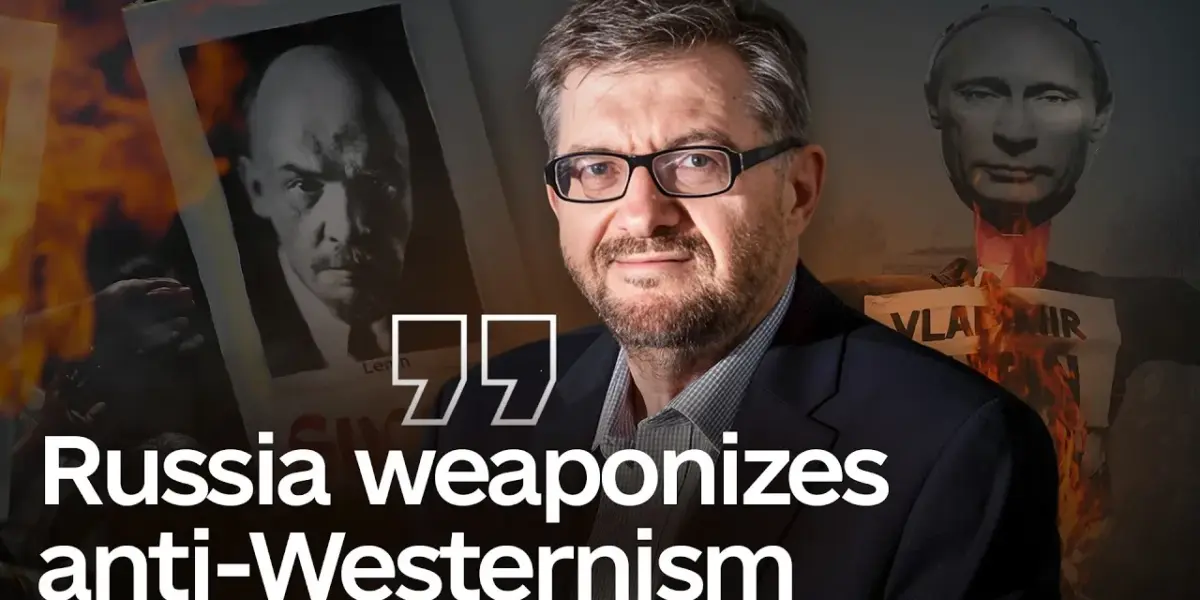
Russia’s Imperial Identity Shapes Conflict
For centuries, Russia has operated as an empire, a fact that continues to shape its geopolitical actions and Western perceptions. Unlike maritime empires like Britain or France, Russia’s vast territorial expansion was land-based. This distinction, coupled with its historical narratives, has allowed Russia to often evade scrutiny for its imperial past and present actions. Despite its imperial history and ongoing imperialist policies, Russia frequently positions itself as a leader of the global South, fighting against Western influence. This narrative, a weaponized form of anti-Westernism, complicates global understanding of its true nature.
Historical Misconceptions Fuel Current Perceptions
Many in the West still view the Soviet Union through a lens that romanticizes it as a righteous project rather than an imperial one. This perception often equates the Soviet Union solely with Russia, overlooking the complex multi-ethnic nature of the USSR. The collapse of the Soviet Union in 1991 revealed 15 distinct republics, surprising many who had viewed it as a monolithic, Russian-dominated state. This historical misunderstanding persists, influencing how Russia’s actions are perceived today.
Ukraine’s Struggle for Independence Echoes History
The current conflict between Ukraine and Russia is not an isolated event. From 1917 to 1921, Ukraine fought for its independence following the collapse of the Russian Empire. This period saw Ukraine emerge not just from Russian imperial ambitions, but also from the remnants of the Austro-Hungarian Empire. Ukrainian independence movements of that era were largely driven by leftist and liberal forces, advocating for a modern nation-state.
Early Ukrainian Statehood and Ideological Strife
In early 1918, Ukraine declared independence from the collapsing Russian Empire. Later that year, a second declaration followed the dissolution of Austria-Hungary, reflecting the division of Ukrainian lands between these two empires. The initial Ukrainian government, formed around the Central Rada, was heavily influenced by socialist and social democratic parties. Key figures like Mykhailo Hrushevsky and Volodymyr Vynnychenko led these early efforts.
External Pressures and Internal Divisions
The nascent Ukrainian state faced immense pressure. German occupation led to a more conservative government under Pavlo Skoropadsky. Later, figures like Symon Petliura continued the leftist traditions of the Central Rada. The period was marked by internal ideological debates, ranging from social democrats to federalists. Simultaneously, external forces sought to re-establish imperial dominance. The newly formed Polish state, itself possessing imperial ambitions, contested Ukrainian territories. On the Russian side, forces like General Anton Denikin aimed to restore an empire without a Tsar, while the Bolsheviks sought to rebuild it on a new, ideologically driven foundation.
Independence as the Central Cause
Resistance to Bolshevik rule in Ukraine was less about ideological differences on social issues and more about the fundamental desire for national independence. Ukraine declared independence in January 1918 as Bolshevik troops advanced on Kyiv. This underscores that the core struggle was for sovereignty, not class-based ideology. The Bolsheviks ultimately prevailed, sometimes by co-opting certain leftist factions within the Ukrainian independence movement.
Ukraine’s Sovereignty: A Unique Challenge for Russia
Ukraine’s historical push for sovereignty presents a unique challenge to Russia. Unlike its historical interactions with Poland or Finland, which primarily challenged Russia’s imperial nature, Ukraine’s bid for independence strikes at a deeper level. Russia has historically viewed Ukrainians not just as a separate nation within an empire, but as an integral part of the Russian nation itself. This concept, articulated in the 19th century as a union of three East Slavic tribes—Great Russians, Little Russians (Ukrainians), and Belarusians—forms a core element of Russian imperial ideology.
Kyiv’s Historical Role in Russian Identity
Ironically, Kyiv played a crucial role in shaping early Russian national narratives. In the 17th and 18th centuries, intellectuals from Kyiv, particularly from the Kyiv-Mohyla Academy, were instrumental in conceptualizing both the Russian state and its national identity. The first widely used history textbook for Russians, “Synopsis,” published in Kyiv, placed the city at the center of historical narratives. This historical intertwining means that Ukraine’s assertion of a distinct identity directly challenges foundational Russian historical myths.
The Influence of Solzhenitsyn and Imperial Resurgence
Modern Russian imperial ideology draws heavily from figures like Aleksandr Solzhenitsyn. In the late Soviet period and early post-Soviet era, Solzhenitsyn argued that communism was a foreign imposition on Russia and that the path forward lay in restoring imperial Russia. His vision included a unified state comprising Russia, Ukraine, and Belarus, populated by Eastern Slavs. This narrative, widely disseminated in the 1990s, provided ideological justification for a return to imperial concepts and profoundly influenced the Russian elite, including Vladimir Putin and his associates.
Putin’s Historical Narrative
Vladimir Putin’s historical pronouncements often echo these imperial themes. He frequently references historical grievances and narratives that align with Solzhenitsyn’s vision of a unified, historically Russian-centric East Slavic world. This perspective, which denies Ukraine’s distinct historical and national identity, fuels the current conflict. Putin’s narrative effectively seeks to impose 19th-century imperial concepts onto the 21st century, leading to significant international resistance.
Shifting Western Perceptions of Ukrainian History
For decades, Western academic study of Slavic regions often centered on Russia, viewing other nations through a Russian lens. However, this has been changing, particularly after Ukraine’s independence in 1991. In 1995, a significant article in the journal *Slavic Review* provocatively asked, “Does Ukraine Have a History?” This question spurred a wave of scholarship aimed at establishing Ukraine’s distinct historical narrative on the global stage.
Decolonization and the Rise of Ukrainian Studies
The ongoing war has accelerated this shift. Academic institutions and journals are increasingly focusing on decolonization, recognizing the need to re-evaluate traditional Russian-centric viewpoints. Ukrainian history and studies are now becoming mainstream, challenging the very foundations of Russian studies and asking if they can exist without an imperial or post-imperial narrative. This mirrors the decolonization movements that reshaped French and British studies in the mid-20th century.
Contemporary Interest in Ukrainian Culture and Society
While World War II was once the most studied period of Ukrainian history in the West, contemporary interest has broadened significantly. The events of 2014 (the Maidan Revolution) and 2022 have sparked intense curiosity about modern Ukrainian society and its resilience. Scholars are examining what was missed in Western understanding that led to the miscalculation of Ukraine’s potential collapse. This includes research into Ukrainian political science, anthropology, and contemporary literature. The translation of modern Ukrainian authors into English is also making Ukrainian culture more accessible and recognized globally, fostering a deeper appreciation for its unique identity.
Source: Ukrainian historian on why Russia is still misunderstood (YouTube)

Related Articles
US Declares Victory Over Iran, Eyes Regime Change
The U.S. Pentagon declared a major victory over Iran following "Operation Epic Fury," crippling Iran's military capabilities and securing a ceasefire. Discussions are now focused on sanctions relief and preventing Iran's nuclear program.
Markets Surge on Iran Ceasefire; AI Stocks Shine
Markets surged as the U.S. and Iran agreed to a ceasefire, easing fears of conflict in the Strait of Hormuz. The deal sent stock markets soaring and oil prices tumbling. Amidst the geopolitical news, AI and tech stocks are showing strong potential for investors.

US Threatens Iran with ‘Obliteration’ Over Strait of Hormuz
The United States has issued a severe ultimatum to Iran, threatening 'obliteration' if the Strait of Hormuz is not opened. This comes amid a high-risk military rescue mission and President Trump's controversial social media use. Meanwhile, the Artemis 2 crew makes history by traveling further from Earth than any humans before.