Trump’s Iran Rhetoric Sparks Removal Calls, But Will They Stick?
Calls for Donald Trump's removal via the 25th Amendment have intensified following his strong rhetoric towards Iran. While a ceasefire deal may temporarily ease pressure, broader demands for accountability and concerns over government budget plans add complexity to the political climate.

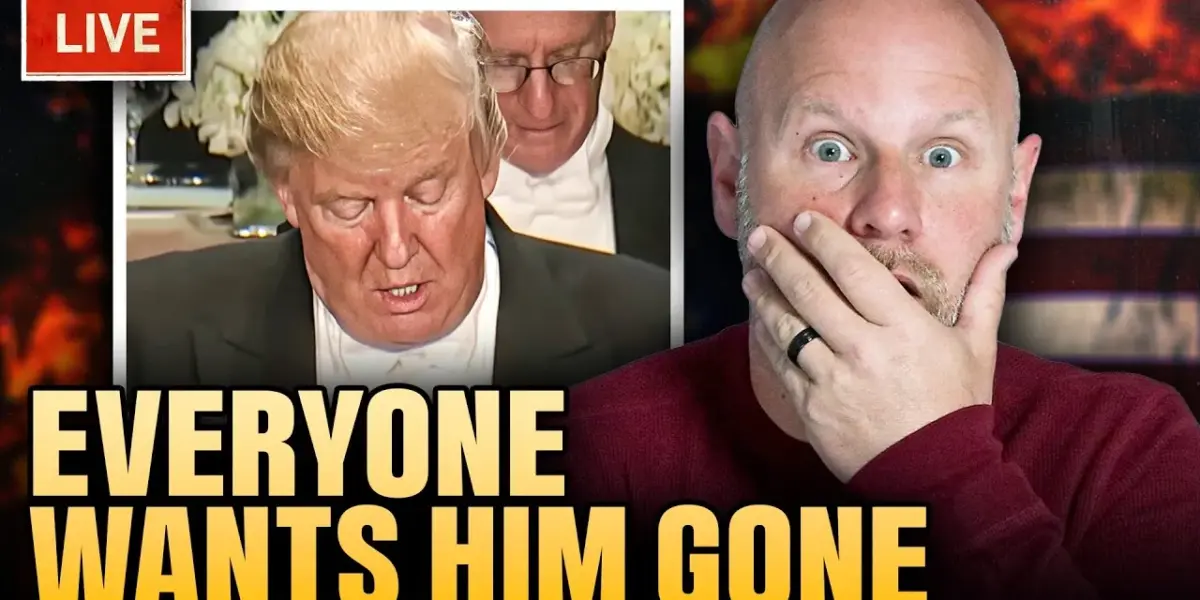
Trump’s Iran Rhetoric Sparks Removal Calls, But Will They Stick?
Following President Donald Trump’s strong words about Iran, a growing number of voices, even from within his own party, are calling for his removal from office. These calls often point to the 25th Amendment, a constitutional tool designed for situations where a president is unable to perform their duties. The intense language used, described by some as threats to obliterate Iran, has raised serious concerns about his fitness for office.
One notable figure, Representative Marjorie Taylor Greene, publicly stated that Trump had “gone insane.” This is a significant comment coming from a politician who has generally been a strong supporter of the president. The idea of using the 25th Amendment is not new in political discussions, but it gains traction when a president’s actions or words are seen as dangerously erratic or harmful to national security.
Historical Context of Removal Efforts
The concept of removing a president from office is a serious matter with deep roots in American history. The Constitution provides two main paths: impeachment and the 25th Amendment. Impeachment involves a formal accusation of wrongdoing, while the 25th Amendment addresses presidential disability. Both have been used or considered throughout U.S. history, reflecting the nation’s ongoing efforts to ensure stable and capable leadership.
The 25th Amendment, ratified in 1967, was largely a response to President John F. Kennedy’s assassination and President Dwight D. Eisenhower’s health issues. It allows the Vice President and a majority of the Cabinet to declare the president unable to discharge the powers and duties of their office. Alternatively, the president can voluntarily inform Congress of their inability.
The Impact of Ceasefire Deals
The current discussion about Trump’s removal is complicated by the presence of a temporary ceasefire deal. Some analysts suggest that such diplomatic progress might temporarily cool down the intense pressure for removal. When tensions are high, and the president’s rhetoric is seen as provocative, calls for their removal often surge. However, a de-escalation, even a temporary one, can shift the focus away from immediate concerns.
This dynamic highlights how political events can influence public and congressional opinion. The urgency to remove a president might lessen if the immediate perceived threat diminishes. Yet, the underlying concerns about a president’s temperament and judgment may linger, ready to resurface if new controversies arise.
Broader Political Demands
Beyond the specific calls for 25th Amendment action, there are broader demands for accountability. Some Americans are pushing for impeachment, a more formal and public process. This reflects a deep dissatisfaction with the president’s conduct and policies, extending beyond the recent Iran-related statements.
Adding to the charged atmosphere, there are predictions of significant consequences for military actions. One retired general has reportedly spoken of “Nuremberg-style trials” for military figures, suggesting a belief that certain actions may warrant extreme forms of justice. Such talk, while perhaps symbolic, underscores the profound divisions and strong feelings present in the political climate.
Budgetary Revelations and Opposition
Further deepening the political intrigue, recent White House budget revelations have pointed to a potentially troubling plan. Reports suggest the budget includes measures that could impact political opposition. This raises questions about the government’s use of its resources and whether they might be employed in ways that could stifle dissent or target political rivals.
Such revelations, if true, could fuel further distrust and intensify demands for oversight and accountability. The idea that government budgets could be used to target opposition is a serious accusation that would likely provoke strong reactions from civil liberties advocates and political opponents alike.
Why This Matters
The ongoing debates surrounding President Trump’s fitness for office and potential removal are not just political theater; they speak to fundamental questions about presidential power, accountability, and the stability of American governance. The use of strong rhetoric, especially concerning international relations, can have profound consequences, impacting global stability and domestic trust.
When leaders use language that is perceived as extreme or threatening, it tests the checks and balances within the government. It forces a public conversation about the limits of presidential authority and the mechanisms in place to prevent potential abuses of power. The involvement of figures from across the political spectrum in these discussions highlights the gravity of the situation.
Implications and Future Outlook
The future outlook remains uncertain. The calls for removal, while significant, face considerable political hurdles. Whether these calls gain enough momentum to lead to concrete action will depend on a variety of factors, including future presidential actions, congressional dynamics, and public opinion shifts.
The events also highlight a broader trend of increasing political polarization and the challenges of maintaining civil discourse during times of heightened tension. The mechanisms for presidential accountability, like the 25th Amendment and impeachment, are being tested, and their effectiveness in future crises will be closely watched.
Source: Everyone Wants Trump Removed NOW (YouTube)

Related Articles


Trump’s Chosen Candidate Wins Georgia Seat, Signals Shifting Politics
Klay Fuller, backed by Donald Trump, won a special election in Georgia, highlighting the former president's continued influence. Meanwhile, Wisconsin voters expanded the liberal majority on their state Supreme Court, signaling strong opinions on key social issues.
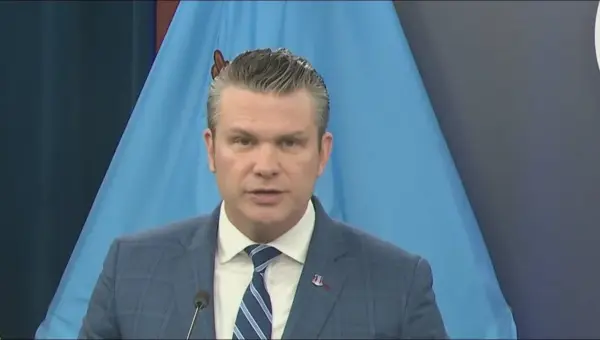
US Declares Victory Over Iran, Eyes Regime Change
The U.S. Pentagon declared a major victory over Iran following "Operation Epic Fury," crippling Iran's military capabilities and securing a ceasefire. Discussions are now focused on sanctions relief and preventing Iran's nuclear program.

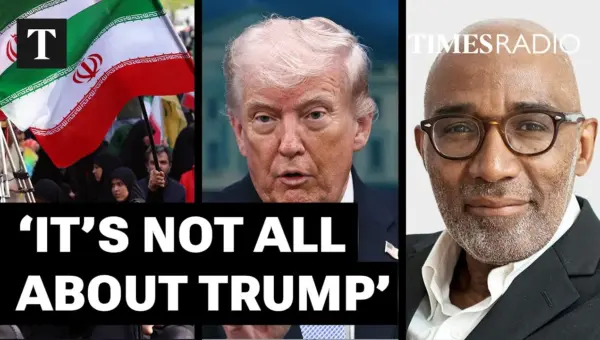
US-Iran Tensions Ease: Focus Shifts Beyond Trump’s Role
A recent discussion explored the de-escalation of Iran tensions, questioning whether to view it through the lens of President Trump's success or failure. Analysts debated the impact on regional stability and the UK's role, while also examining the declining public support for doctor strikes and Reform UK's electoral strategy.