Trump Declares Ceasefire Amidst Complex Iran Conflict
President Donald Trump has announced a ceasefire in the conflict, with both the U.S. and Iran claiming victory. However, the truce is described as fragile, and Israel continues its operations in southern Lebanon. Pakistan is mediating talks, while Iran's 10-point peace plan, including uranium enrichment and sanctions relief, presents significant challenges for U.S. acceptance.

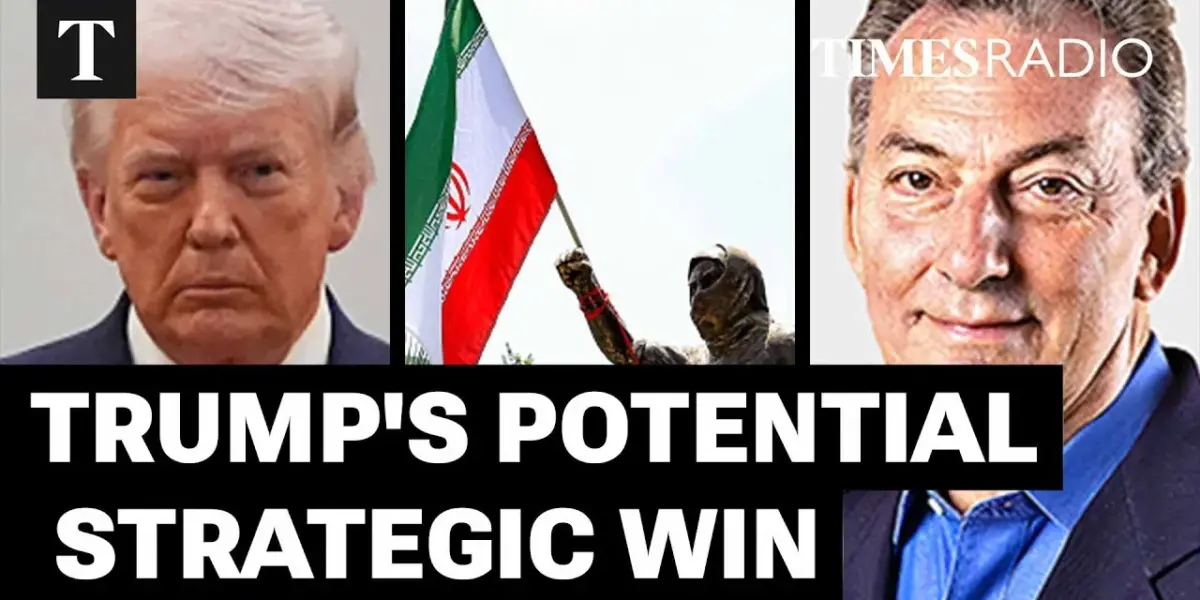
US and Iran Claim Victory in Fragile Ceasefire
Late last night, President Donald Trump announced a ceasefire in the ongoing conflict, a move that has led both the United States and Iran to declare victory. However, U.S. Vice President JD Vance acknowledged the truce is fragile, stating, “If the Iranians are willing in good faith to work with us, I think we can make an agreement.” He warned that if Iran engages in deception or attempts to undermine the ceasefire, the outcome will not be positive.
Meanwhile, Israel has launched new strikes in southern Lebanon, with Prime Minister Benjamin Netanyahu asserting that the ceasefire does not extend to that region. This action comes despite Iran’s insistence that such operations constitute a breach of the agreement.
Pakistan’s Role as a Peace Broker
Pakistan has emerged as a key mediator, offering to host talks between the U.S. and Iran in Islamabad. This diplomatic effort comes after weeks of indirect negotiations, with Pakistan playing a crucial role in bridging the gap between the two nations.
Mark Urban, a columnist for The Sunday Times, noted that Pakistan’s involvement stems from a complex position. The country has a security treaty with Saudi Arabia, which has been heavily targeted by Iran. Yet, public opinion in Pakistan strongly favors Iran, creating a dilemma for its government. Pakistan has a vested interest in seeing the conflict resolved quickly, making them a motivated broker.
Iran’s Proposed Peace Plan and U.S. Response
Details of Iran’s 10-point peace plan have surfaced, outlining key demands that may challenge the U.S. acceptance. The proposal includes the lifting of sanctions, continued Iranian control over the Strait of Hormuz, and permission to continue enriching uranium.
“From their perspective, that is a clear way out and they would say a just one,” explained Urban, referring to Iran’s demand for reparations for war damages. Iran suggests using tolls from traffic through the Strait of Hormuz to fund these reparations.
Urban expressed skepticism about President Trump agreeing to all, or even any, of Iran’s points. He highlighted that the U.S. and Israel’s initial objectives of degrading Iran’s military capabilities have only been partially met. “Iran is still capable of attacking its neighbors,” he observed, suggesting that “things are not ending well for the U.S. and Israel, if indeed they are ending now.”
Israel’s Stance and Potential for Renewed Conflict
Israel’s position on the ceasefire adds another layer of complexity. Prime Minister Netanyahu’s decision to continue strikes in Lebanon signals a potential divergence from the U.S. strategy.
Urban suggested that Israel’s primary goal may be to sever Iran’s ties with Hezbollah. However, he cautioned that if Iran rigidly adheres to its 10-point plan, it could be seen as a clear Iranian victory. In such a scenario, President Trump might seek justifications to resume military action, potentially causing the entire agreement to collapse.
Broader Implications and Future Outlook
The conflict has also highlighted shifting alliances and the role of international diplomacy. While Pakistan has stepped up as a mediator, the United Kingdom’s role in the Gulf has come under scrutiny.
Some opinion leaders in the UAE have expressed disappointment with the UK’s perceived lack of support during the initial Iranian attacks. Conversely, Britain’s engagement in Qatar and its role in intercepting drones over Iraq and Saudi Arabia have maintained relationships in other parts of the Gulf.
The effectiveness of this ceasefire remains uncertain. The ongoing military actions in Lebanon and the fundamental disagreements over Iran’s nuclear program and sanctions suggest that the path to lasting peace is fraught with challenges. Much will depend on whether Iran shows flexibility and if President Trump can navigate the conflicting interests of his allies and the demands of Iran.
Source: How Trump’s Ceasefire Could Turn Into A Strategic Win For Iran | Mark Urban (YouTube)

Related Articles
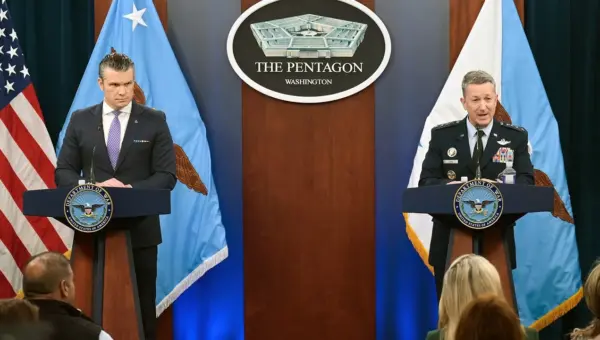
Pentagon Declares Major Victory Over Iran Amid Ceasefire
Pentagon officials announced a decisive military victory over Iran following 'Operation Epic Fury,' detailing the destruction of Iran's military capabilities. A tentative ceasefire is in place, with U.S. forces remaining vigilant to ensure compliance and facilitate negotiations for lasting peace.

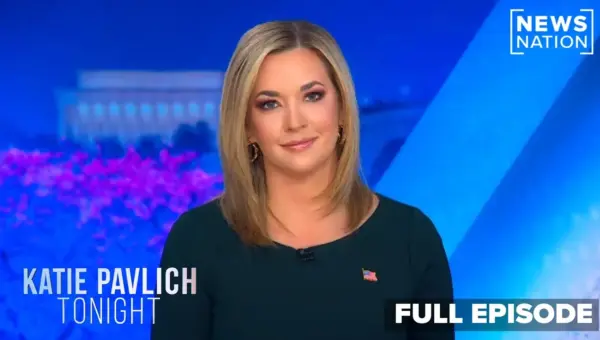
US Threatens Iran with ‘Obliteration’ Over Strait of Hormuz
The United States has issued a severe ultimatum to Iran, threatening 'obliteration' if the Strait of Hormuz is not opened. This comes amid a high-risk military rescue mission and President Trump's controversial social media use. Meanwhile, the Artemis 2 crew makes history by traveling further from Earth than any humans before.

US Threatens Iran as Space Race Heats Up
The U.S. has issued a stern ultimatum to Iran, threatening strikes on infrastructure if a ceasefire and the reopening of the Strait of Hormuz are not agreed to by tomorrow. This comes as Iran presents its own demands and warns of retaliation. Meanwhile, the Artemis II astronauts made history with a record-breaking lunar mission, and AI leader Sam Altman cautioned about the technology's potential dangers, calling for a new social contract.