Doctor Warns Trump Shows All Signs of Dementia
Medical analyst Dr. Vin Gupta believes Donald Trump is showing clear signs of dementia, citing erratic behavior, confused speech, and word-finding difficulties. These concerns are amplified by Trump's family history of Alzheimer's and his frequent cognitive testing, which experts suggest may indicate monitoring rather than good health. The potential implications for leadership and public trust are significant.

Doctor Warns Trump Shows All Signs of Dementia
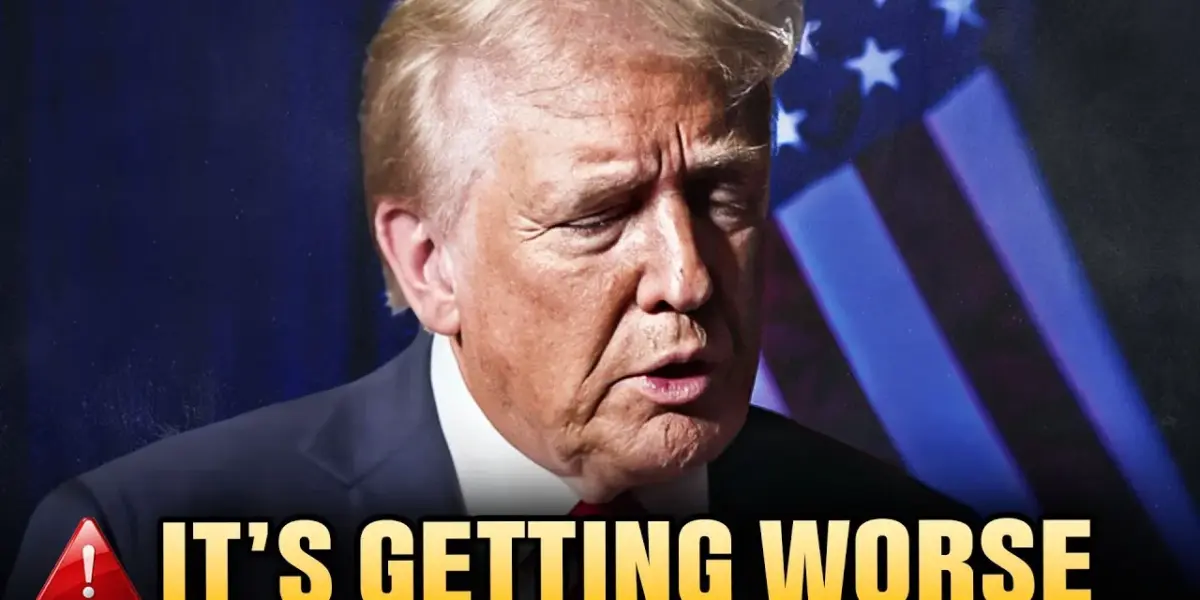
Dr. Vin Gupta, a medical analyst for MS Now, recently voiced serious concerns about Donald Trump’s mental state. He believes Trump is showing signs of dementia. This comes after Trump’s online posts, which Dr. Gupta described as erratic and confused. He noted issues with finishing sentences and a lack of clear thinking. Dr. Gupta stated that Trump exhibits word-finding difficulties that are getting worse over time. While he cannot officially diagnose Trump without an examination, his observations echo those of other mental health experts and the public.
Past Concerns and Cognitive Tests
This isn’t the first time Dr. Gupta has spoken out. Last month, he mentioned Trump’s behavior changes, like lashing out and acting unreasonably. He suggested that while some of this might seem like Trump’s usual personality, it appears to be worsening. Dr. Gupta also commented on Trump bragging about passing cognitive exams. He explained that taking these tests frequently is not a sign of good health. Instead, it often means someone is worried about early-stage dementia or cognitive problems. Taking these tests repeatedly might actually highlight concerns, not dismiss them.
Family History and Increased Risk
Donald Trump’s own niece, Mary Trump, has also shared her worries. She has observed a look of confusion in him and feels he is not always aware of his surroundings. She believes his short-term memory is fading. Mary Trump compared her uncle to her grandfather, who suffered from Alzheimer’s and dementia before he passed away. This family history is significant. Experts like Dr. John Gartner point out that receiving cognitive tests like the Montreal Cognitive Assessment multiple times suggests monitoring a condition, not just checking on general health. If someone takes the test repeatedly, it’s often because their dementia is being tracked, not because they are perfectly healthy.
Dementia and Lifestyle Factors
Dementia and Alzheimer’s are not curable diseases. If Donald Trump has these conditions, there’s no way to stop their progression. Treatments can help slow them down. However, managing these conditions often involves good sleep, less stress, and emotional regulation. These are like mental exercises rather than medical cures. It seems unlikely that Donald Trump is following such a lifestyle. He reportedly stays up late every night posting on social media, often about things that have angered him. This high level of stress could make any underlying cognitive issues worse. As his stress increases, his condition may worsen, setting a new, lower baseline for his health.
Observable Signs and Future Outlook
The video suggests that Trump’s physical behaviors are also concerning. These include motor skill issues, a lack of self-control, and what are sometimes called ‘word salads’ – nonsensical speech patterns. His difficulty standing properly, often described as a strange lean, is also mentioned as a potential sign of frontotemporal dementia. The analysis suggests that these signs are not just minor quirks but could indicate a more serious decline. If these signs are ignored, the video argues, there will come a point where they can no longer be overlooked. The author believes this point may have already been reached in the past year.
Why This Matters
Concerns about a political leader’s cognitive health are always significant. If a leader is experiencing cognitive decline, it can affect their decision-making abilities and their capacity to govern effectively. The presidency is a demanding role requiring sharp mental acuity. Any doubts about a candidate’s or president’s cognitive fitness raise important questions for voters and the public. It impacts trust and the perceived stability of leadership. The public has a right to understand the mental well-being of those in power, especially when their decisions affect the nation and the world.
Implications and Future Outlook
The ongoing discussion about Donald Trump’s cognitive health highlights a broader trend of scrutinizing the mental fitness of public figures. As people live longer, age-related cognitive issues are becoming more common and more openly discussed. For Trump, if these concerns are valid, the progression of any potential dementia could significantly impact his ability to campaign, lead, or function in public life. The lack of curable treatments for conditions like Alzheimer’s means that any decline could be irreversible. This raises questions about how society addresses cognitive impairment in leadership roles and the ethical considerations involved in public discussion of such sensitive health matters.
Historical Context
Concerns about the mental fitness of leaders are not new. Throughout history, leaders have faced scrutiny regarding their age and mental capabilities. However, with advancements in medical understanding and diagnostic tools, the conversation around cognitive health has become more specific. The mention of family history, like Trump’s father’s struggles with dementia and Alzheimer’s, adds a layer of genetic consideration. This context shows that while the public’s awareness and discussion of cognitive health have evolved, the fundamental concern about a leader’s ability to perform their duties due to mental impairment remains a constant issue.
Source: HUGE ALARMS Sounded On Trump's Dementia (YouTube)

Related Articles

Trump’s Iran Deal: Peace or Surrender’s Price?
Former President Trump claims a new ceasefire with Iran is a major victory, promising peace and prosperity. Critics, however, label it a 'complete surrender' that grants Iran key demands, including control over the Strait of Hormuz and uranium enrichment. The starkly different interpretations reveal a deep divide over the deal's true impact.
Trump Blinks on Iran: US Public Opinion Forces Ceasefire
President Trump has agreed to a ceasefire with Iran, a move analysts attribute to strong domestic opposition and a desire to avoid further foreign conflicts. The decision reflects a broader reassessment of U.S. global strategy and the growing influence of China.

Trump’s Iran Deal Sparks Outrage: A Diplomatic Humiliation?
Reports suggest Donald Trump agreed to Iran's 10-point peace framework, sparking celebrations in Tehran and outrage in some U.S. circles. Critics call it a diplomatic surrender, while supporters defend it as a workable basis for negotiation. The deal's implications for regional stability and U.S. global standing are profound.