Iran Ceasefire Shatters Amidst Oil Target Bombings
A recent ceasefire in the Middle East has collapsed just hours after its announcement, with Iran's oil targets being bombed and widespread attacks resuming. The IRGC's control within Iran appears to be undermining diplomatic efforts, leading to a dangerous escalation. The future of regional stability hangs precariously in the balance.

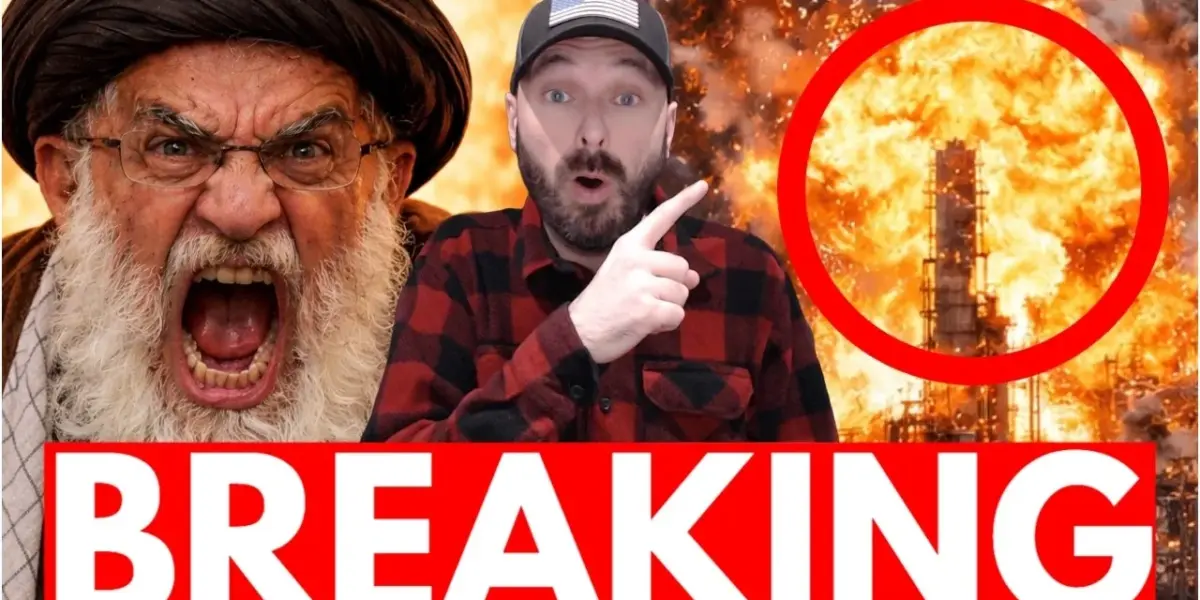
Ceasefire Collapses as Attacks Intensify
A ceasefire meant to bring peace to the Middle East appears to be on the verge of total collapse. Just hours after President Donald Trump announced a truce on Tuesday night, the region erupted in violence. Bombs are flying, and significant oil facilities have been targeted, raising serious questions about the effectiveness of the agreement. This situation is rapidly becoming incredibly serious, with further comments from Trump adding to the complex picture.
Iran’s Internal Power Struggle Fuels Violence
The key to understanding this sudden escalation lies within Iran itself. The Islamic Revolutionary Guard Corps (IRGC), the most hardline faction with influence, is now effectively running the country. They control the weapons and missiles. While political leaders may announce a ceasefire, it’s the IRGC’s actions that truly matter. Following the ceasefire announcement, the IRGC launched missiles at Israel, the UAE, Qatar, and Kuwait. Saudi Arabia is the only Gulf nation not yet targeted.
Key Oil Infrastructure Hit
The violence isn’t just symbolic; it’s hitting critical infrastructure. Overnight, a major oil and gas facility in the UAE was struck by ballistic missiles. Then, on the morning of April 8th, the Leavon oil refinery in Iran was bombed, just about 12-13 hours after the ceasefire went into effect. These attacks on oil facilities are significant. No one has claimed responsibility for the strike on the UAE’s facilities, leaving open the possibility of retaliation or involvement by other nations. Iranian state media, however, is already blaming the United States and Israel for bombing their refinery. Without official confirmation, it’s impossible to say for sure who is responsible, though retaliation from the UAE is a strong possibility.
Fighting Spreads to Lebanon and Beyond
The conflict is not confined to the immediate parties. Targets in Lebanon are also being hit hard, with massive bombing strikes impacting Hezbollah. Despite some claims that Lebanon was included in the ceasefire, the ongoing attacks suggest otherwise. Meanwhile, Camp Victory, a US location in Baghdad, was seen smoking after a large attack. These widespread strikes make it difficult to consider the ceasefire effective when fighting continues on multiple fronts.
Missiles Rain Down on Israel
One of the most immediate violations of the ceasefire came from Iran itself. About an hour after the truce was announced, Iran unleashed a barrage of ballistic missiles and cluster munitions on Israel. Footage clearly shows these weapons raining down on Israel, demonstrating a clear disregard for the agreed-upon pause in hostilities. Reports also indicate that Kuwait was targeted with 28 Iranian attack drones on the morning of April 8th. The UAE also announced it was targeted with more ballistic missiles and drones, resulting in casualties.
Strait of Hormuz Remains Restricted
Adding to the tension, the Strait of Hormuz, a vital waterway for global oil transport, appears to be open only to Iranian vessels. This suggests a continued blockade or restriction, impacting international shipping. In response to the ongoing hostilities, the United States has been rapidly increasing its air power in the region, establishing a significant air bridge with refueling tankers and cargo ships.
Trump’s Bold Statements and Future Outlook
Former President Donald Trump has made several notable statements regarding the situation. He indicated that the US would work with Iran following what he described as a “very productive regime change” driven by the IRGC. Trump also spoke of no uranium enrichment, removing nuclear material, and discussing tariff and sanction relief. He called it a “big day for world peace” and suggested a potential “golden age” for the Middle East, with the US helping to ease traffic in the Strait of Hormuz and supporting reconstruction efforts.
Warning on Weapons Supplies
However, Trump also issued a stern warning: any country supplying military weapons to Iran will face an immediate 50% tariff on all goods sold to the United States. He believes countries like China and Russia might try to supply Iran with weapons during this pause. China, in particular, needs Iran’s regime to survive for its own oil interests, suggesting they will do what’s necessary to ensure its stability. This could lead to a significant escalation, with the conflict potentially restarting in a much more intense and brutal manner.
A Fragile Peace
As of the morning of April 8th, the situation remains highly volatile. The ceasefire, barely a day old, appears to be on the brink of collapse. Iran’s oil facilities have been hit, and widespread attacks continue. The conflict seems poised to reignite with even greater force, leaving the future of Middle Eastern stability uncertain.
Why This Matters
The rapid disintegration of this ceasefire is crucial for several reasons. Firstly, it highlights the deep divisions within Iran, where hardline factions hold significant power and are willing to defy political agreements. Secondly, the targeting of oil infrastructure directly impacts global energy markets and prices, potentially causing widespread economic disruption. Thirdly, the involvement of multiple regional and international players, including the US, Israel, UAE, and potentially Russia and China, escalates the risk of a wider, more devastating conflict. The effectiveness of international diplomacy is being tested, and the potential for miscalculation leading to further violence is extremely high.
Historical Context and Trends
The Middle East has a long history of complex conflicts and fragile peace agreements. This current situation echoes past instances where ceasefires have been announced with great fanfare only to quickly unravel due to underlying tensions and the actions of hardline groups. The strategic importance of oil in the region has always been a major factor in geopolitical maneuvering. The involvement of external powers, particularly the US and its rivals like Russia and China, adds another layer of complexity, reminiscent of Cold War dynamics where proxy conflicts fueled regional instability.
Implications and Future Outlook
The immediate implication is a likely return to intense fighting, possibly on a larger scale than before. The economic consequences could be severe, with fluctuating oil prices and supply disruptions. The geopolitical landscape will become more polarized, with nations forced to take sides. The future outlook is grim if a genuine de-escalation cannot be achieved. The warning about tariffs on weapons supplies could either deter potential suppliers or lead to a more clandestine and dangerous arms race. The region remains a powder keg, and this failed ceasefire has only added more fuel to the fire.
Source: Iran's Oil Targets BOMBED – Ceasefire On Brink Of COLLAPSE (YouTube)

Related Articles

US Declares ‘Historic Victory’ Over Iran in Operation Epic Fury
U.S. officials have declared a "historic and overwhelming victory" over Iran following the conclusion of Operation Epic Fury and a subsequent ceasefire. The operation reportedly decimated Iran's military capabilities, including its navy, air force, and missile program. The U.S. also stated that Iran's defense industrial base and nuclear program have been severely degraded, ensuring Iran will not possess nuclear weapons.


Iran Ceasefire: US Claims Decisive Victory, Markets Cheer
The U.S. declared a decisive military victory in 'Operation Epic Fury' following a ceasefire with Iran, crippling its military capabilities. Markets cheered the news, with major indices surging and oil prices plummeting.


Iran Begs for Ceasefire After Devastating US Military Victory
In a swift and decisive military campaign, U.S. forces have crushed Iran's military capabilities in 'Operation Epic Fury.' Following the overwhelming battlefield defeat, Iran has reportedly sought a ceasefire, a move hailed as a victory for global peace and a fulfillment of President Trump's policy to prevent Iran from acquiring nuclear weapons.