Oil Prices Drop on Iran Ceasefire, Boosting Global Markets
A surprise two-week ceasefire in the Middle East has caused oil prices to plummet and stock markets to rally significantly. This offers potential relief from high inflation for consumers and businesses, but the long-term stability of the truce remains uncertain.


Global Markets Surge as Iran Conflict Pauses
A sudden, unexpected ceasefire in the Middle East has sent shockwaves through global financial markets. Oil prices have fallen sharply, and stock markets have rallied strongly. This development offers a potential lifeline to economies struggling with high inflation. The key question now is whether this truce will last or if it’s just a temporary pause.
Wall Street Reacts to Extended Deadline
Wall Street reacted with enthusiasm to the news. The market had been bracing for a deadline related to the conflict. However, just before the market close yesterday, an announcement was made: a two-week ceasefire. This news caused a dramatic turnaround. Major stock market indexes, like the Dow Jones Industrial Average, are expected to open significantly higher today, perhaps by over 1000 points. Such a large swing in a single day is rare in the history of the Dow, happening only a handful of times.
Oil Prices Plummet After Ceasefire Announcement
The impact on oil prices was immediate and dramatic. Minutes after the ceasefire was announced, oil prices dropped by about 15%. Prices fell from over $100 a barrel to as low as $91 a barrel. This is a level not seen in some time. The Strait of Hormuz, a vital shipping route for oil, is expected to reopen. This would allow more oil to flow to the global market, helping to bring prices down.
Relief at the Gas Pump?
The big question for many people is what this means for the prices they pay at the pump. Gas prices have been soaring for the past five to six weeks, reaching well over $4.00 a gallon nationally. Diesel prices have also hit record highs, averaging over $5.00 a gallon. High fuel costs affect almost everything we buy because it costs more to transport goods. If the ceasefire holds, consumers could see some relief at the gas station. Analysts suggest that even if prices don’t fall all the way back, this could mark a turning point.
Fragile Peace, Lasting Impact?
While the market is celebrating, the ceasefire is described as fragile. It’s a short-term agreement. Whether it leads to a lasting peace or further escalates the conflict remains uncertain. The current situation, however, has shown how sensitive global markets are to tensions in key oil-producing regions. A prolonged period of peace could significantly ease inflationary pressures worldwide. It could also stabilize economies that have been hit hard by rising energy costs.
Historical Context: Oil and Geopolitics
The connection between oil prices and global stability is well-established. For decades, conflicts and political tensions in the Middle East have directly impacted oil supplies and prices. The Strait of Hormuz, in particular, is a critical chokepoint. Any disruption there can have immediate and widespread economic consequences. Past events have shown that even rumors of conflict can cause prices to spike. This recent event highlights that pattern, but in reverse, as a de-escalation leads to a sharp price drop.
Economic Leverage and Future Scenarios
The conflict had put significant economic pressure on many countries. High oil prices fueled inflation, making goods and services more expensive. This situation also affected trade routes and transportation costs globally. The ceasefire offers a chance to ease these pressures. However, the underlying geopolitical issues that led to the conflict have not been resolved.
Several future scenarios are possible:
- Scenario 1: Lasting Peace. If the ceasefire holds and diplomatic efforts succeed, oil prices could stabilize at lower levels. This would significantly help economies combat inflation and boost consumer confidence.
- Scenario 2: Temporary Truce. The conflict could reignite after the two-week period. This would likely cause oil prices to surge again, and markets would react negatively.
- Scenario 3: Escalation. The situation could worsen, leading to a wider regional conflict. This would have severe consequences for global energy supplies and the world economy.
The current positive market reaction is based on the hope that the ceasefire will hold and lead to a more stable energy market. The coming weeks will be crucial in determining whether this relief is temporary or marks a turning point in the global economic crisis.
Global Impact: Reshaping the World Order?
This event underscores how interconnected the global economy is with geopolitical stability, especially concerning energy resources. The sharp drop in oil prices, driven by a de-escalation in a key region, demonstrates the immediate impact of conflict resolution on markets. It offers a potential reprieve from the inflation that has been troubling economies worldwide. If this trend continues, it could ease the burden on consumers and businesses alike. However, the underlying causes of the tensions remain. Therefore, sustained peace and stability will require ongoing diplomatic efforts and addressing the root issues. The world watches to see if this fragile peace can hold and bring lasting economic benefits.
Source: Oil prices plunge and markets rally amid Iran ceasefire | Morning in America (YouTube)

Related Articles


Trump’s Iran Deal: Peace or Surrender’s Price?
Former President Trump claims a new ceasefire with Iran is a major victory, promising peace and prosperity. Critics, however, label it a 'complete surrender' that grants Iran key demands, including control over the Strait of Hormuz and uranium enrichment. The starkly different interpretations reveal a deep divide over the deal's true impact.

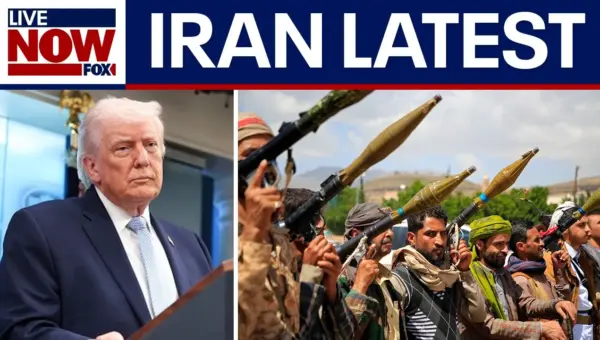
Middle East Tensions Flare Despite Ceasefire Deal
A recent ceasefire deal between the U.S. and Iran is already showing cracks, with ongoing attacks reported and vastly different interpretations of the agreement by both sides. Key flashpoints like the Strait of Hormuz and the conflict in Lebanon continue to fuel tensions.

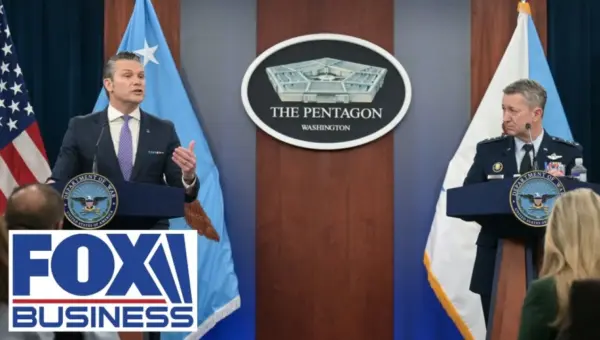
Ceasefire Reached with Iran: Pentagon Briefs on New Mideast Stability
Defense Secretary Pete Hegseth and Joint Chiefs Chairman Gen. Dan Caine announced a two-week ceasefire with Iran following a Pentagon briefing. The agreement aims to de-escalate tensions in the Middle East, potentially impacting global oil prices and defense sector stocks.