Iran Claims Victory as Ceasefire Leaves Military Leverage Intact
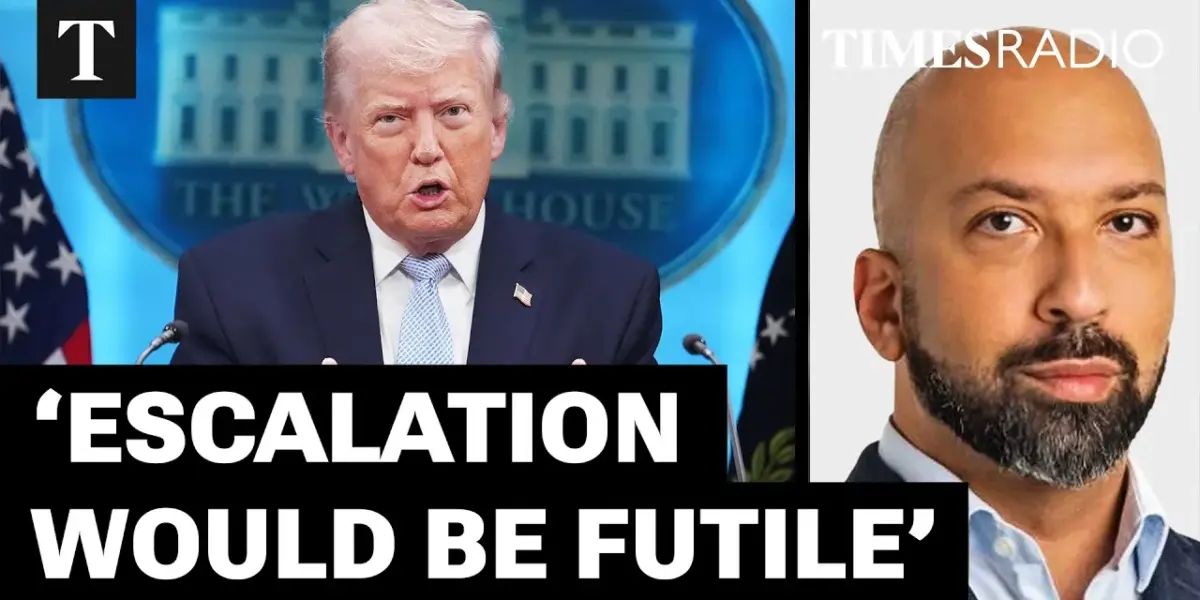
A recent ceasefire between the U.S. and Iran has ended hostilities but left Iran's military leverage intact, according to Middle East correspondent Samer Al-Atrush. The deal, which allows for Iranian control over the Strait of Hormuz, appears to have achieved Iran's goal of restoring its deterrence. Experts suggest the agreement reflects a military stalemate rather than a decisive victory for either side.

Ceasefire Ends Hostilities, But Military Power Remains
A recent two-week ceasefire between the United States and Iran, hailed by some as a significant step toward world peace, has largely failed to alter Iran’s military standing. While the agreement allows for the theoretical passage of ships through the Strait of Hormuz under Iranian military control, experts suggest it has cemented Iran’s influence rather than diminished it. The deal, facilitated with potential Chinese involvement and reportedly approved by Iran’s Supreme Leader, signals a complex shift in regional dynamics.
Iran’s Goal: Restoring Deterrence
According to Samer Al-Atrush, The Times’ Middle East correspondent, Iran entered the conflict with the primary objective of restoring its damaged deterrence. “We need to go into this war to restore our deterrence, which has been badly chipped away,” Al-Atrush explained. He noted that Iran could have avoided the war but chose to engage to rebuild its image after a perceived decline in its military strength over the past three years. The war’s outcome, from Iran’s perspective, appears to have achieved this goal.
A Deal Born of Stalemate
The ceasefire emerged as both sides recognized the futility of continued military action. Al-Atrush indicated that Iran believed its missile capabilities and ability to escalate the conflict meant the U.S. would be more flexible in negotiations. “The Americans now see that military actions are futile. It’s not going to bring about… their uranium is still there. We still have missiles and the regime is still there, and they’re ready to talk to us,” he stated. This realization, reached over several days, pushed both nations toward the negotiating table.
The Role of Brinksmanship
The period leading up to the ceasefire was marked by intense brinksmanship. U.S. President Donald Trump’s threats to “annihilate Iranian civilization” were met with Iranian warnings of escalating actions, including involving Houthi forces to close the Strait of Bab al-Mandab and targeting strategic sites in the Gulf. Al-Atrush described this as “brinksmanship at its most extreme.” These actions, including a ballistic missile strike on a satellite company headquarters, served as a clear message to the opposing side, ultimately prompting a decision to negotiate.
Supreme Leader’s Condition and Ceasefire Approval
Speculation surrounding the health of Iran’s Supreme Leader added another layer of complexity to the situation. While reports suggested he was severely injured or even dead, Al-Atrush confirmed he is alive, though his exact condition remains unknown and heavily guarded. “Nobody quite knows where he is or in what condition he’s in,” Al-Atrush said. The Supreme Leader’s reported personal approval of the ceasefire is significant, suggesting a unified front within Iran, as a dead leader would have been a domestic and internal power structure liability.
De Facto Iranian Control of the Strait of Hormuz
A key outcome of the ceasefire is the de facto recognition of Iranian control over the Strait of Hormuz. While ships can transit Omani territorial waters without tolls, Iran intends to allow a limited number of ships through the Strait in coordination with its military. “This cements their role in the Strait of Hormuz that simply wasn’t there a month ago,” Al-Atrush observed. This development has caused concern in Gulf countries like the United Arab Emirates, who opposed a ceasefire that did not fully reopen the waterway without Iranian involvement. The agreement implies that Iran must now coordinate, facilitate, and greenlight ship passage through this vital waterway.
Nuclear Enrichment Remains a Negotiation Point
The reported 10-point proposal from Iran, which includes the right to nuclear enrichment, remains a significant point of contention. While the U.S. has historically opposed Iranian enrichment, both sides have acknowledged each other’s proposals as a basis for negotiation. Al-Atrush clarified that the U.S. acceptance of Iran’s 10 points, which insist on uranium enrichment and U.S. withdrawal from the region, is part of the negotiation process. “It’s quite meaningless at this point,” he stated, suggesting these points are discussion starters rather than firm demands.
Looking Ahead
The current ceasefire marks a pause rather than a resolution. The world will be watching to see if the acknowledged negotiation points, including Iran’s nuclear ambitions and U.S. regional presence, can lead to a lasting agreement. The continued Iranian control over the Strait of Hormuz and the underlying issues that led to the conflict will remain critical factors in future regional stability.
Source: Ceasefire Brings No Change In Iran’s Military Leverage | Samer Al-Atrush (YouTube)

Related Articles

Middle East Tensions Flare Despite Ceasefire Deal
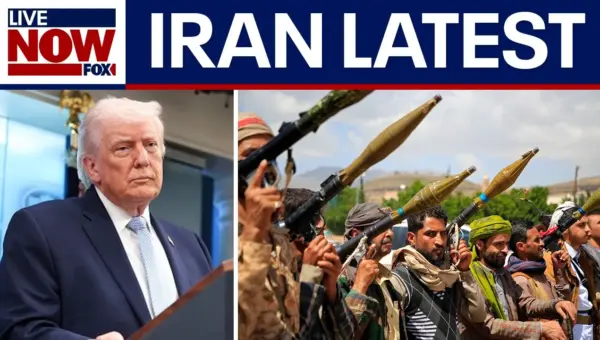
A recent ceasefire deal between the U.S. and Iran is already showing cracks, with ongoing attacks reported and vastly different interpretations of the agreement by both sides. Key flashpoints like the Strait of Hormuz and the conflict in Lebanon continue to fuel tensions.
US Lacks Edge in Iran Talks Amid Fragile Ceasefire
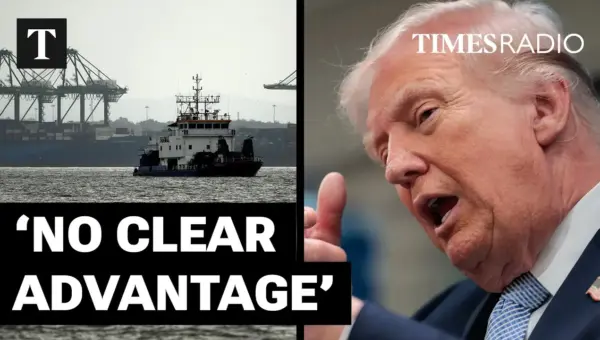
A fragile two-week ceasefire between the U.S. and Iran offers a temporary reprieve, but key questions remain, particularly regarding passage through the Strait of Hormuz. Gulf states fear a resolution that doesn't address Iran's missile programs and nuclear ambitions. The U.S. may not hold a clear advantage in upcoming talks, as Iran has secured a seat at the table to discuss its own proposals.

China’s $75 Billion Iran Support Fuels Global Tensions
China's significant financial backing of Iran, estimated at $75 billion annually, is raising global concerns. This support, channeled through smaller banks to avoid U.S. sanctions, coincides with a temporary cease-fire in the vital Strait of Hormuz. The situation implicates U.S. investors indirectly funding Iran through their portfolios.