Netanyahu’s Pitch Pushed Trump Towards Iran War, Report Says
A New York Times report suggests Israeli Prime Minister Netanyahu's presentation heavily influenced President Trump's push towards conflict with Iran. Military officials reportedly raised concerns about civilian targets, highlighting internal pushback against proposed actions. The situation also raises questions about the U.S.-Israeli relationship and future diplomatic efforts.

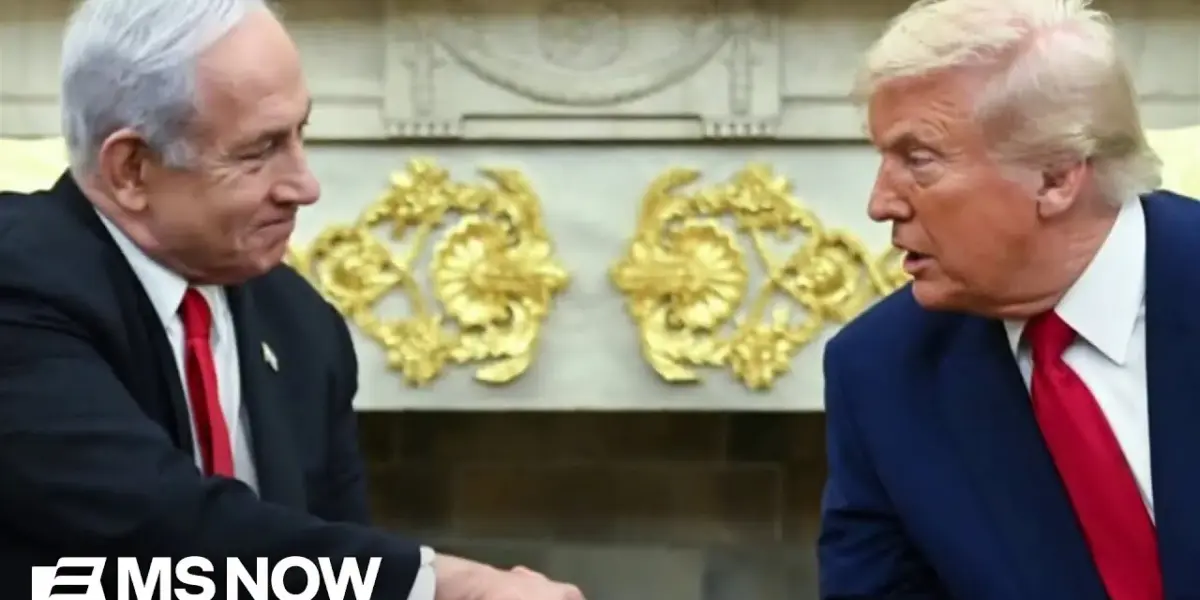
Netanyahu’s Pitch Pushed Trump Towards Iran War, Report Says
A presentation by Israeli Prime Minister Benjamin Netanyahu significantly influenced former President Donald Trump’s decision-making, pushing the U.S. closer to conflict with Iran, according to a recent New York Times report. The report suggests that military officials voiced concerns and pushed back against potential targets recommended by the Defense Department, fearing they were too focused on civilian areas. This internal resistance highlights the complex pressures and differing opinions within the Trump administration regarding military action against Iran.
Concerns Over Civilian Targets and Military Pushback
Retired Army Major General Randy Manner told MSNC that military officials rejected some targets in Iran suggested by then-Defense Secretary Pete Hegseth. Manner indicated that CENTCOM, the U.S. military command responsible for the Middle East, found some recommended targets to be civilian in nature. This suggests a critical vetting process where military commanders tried to implement objectives while avoiding actions that could lead to excessive civilian casualties or legal repercussions.
Mika, a commentator on the program, explained that developing a strike package is a complex process. It involves assessing targets, considering dangers around them, and evaluating the potential for collateral damage to civilians. Commanders, intelligence officers, and legal advisors are all involved in this rigorous assessment. “There are commanders in the room, intelligence officers in the room, and legal advisers in the room when these strike packages are being put together,” Mika stated. This detailed process aims to ensure military actions are both effective and legally sound.
Checks and Balances in Decision-Making
Richard, another commentator, found the pushback from military officials reassuring. He believes this shows checks and balances at work within the government. “In a democracy, there’s checks and balances. And this is actually a good example of checks and balances of people in government that their loyalty is to the Constitution and to law and so forth, and ethics, and that you push back against orders that they think are questionable,” he said. This perspective emphasizes the importance of ethical considerations and adherence to law overriding potentially rash orders.
The discussion also drew parallels to past administrations. The contrast was made with former President George H.W. Bush, who reportedly would listen to all opinions before stating his own during the Iraq invasion debates. This approach, where presidents allow for open debate, is seen as a key element of thoughtful decision-making. In contrast, the report suggests that once Trump expressed his view, further discussion was often stifled, particularly within his administration.
Lack of Iran Expertise and Netanyahu’s Influence
A striking detail from the report is the apparent lack of direct familiarity with Iran among those in the Situation Room during key discussions. Commentators noted that questions about the Iran-Iraq War or the possibility of regime change were not raised by participants. This absence of historical context and deep expertise raised concerns about the basis for the decisions being made.
The timing of the meeting is also significant. It reportedly occurred after Israeli officials, including Prime Minister Netanyahu, presented their case. This presentation, described as playing to Trump’s desire to be a “great historical figure,” appears to have heavily swayed the President. General Kane, the Chairman of the Joint Chiefs of Staff, reportedly warned Trump that the Israeli approach involved “overselling” and that their plans were “not always well developed.” He noted, “Sir, this is in my experience standard operating procedure for the Israelis. They over sell and their plans are not always well developed. They know they need us and that’s why they’re hard-selling.” Despite this warning, the President seemed to move forward based on his gut feeling.
Concerns Over U.S.-Israeli Relations
Commentators expressed worry that Israel’s strong push on this issue could negatively impact the U.S.-Israeli relationship. With pressure already mounting on Israel due to actions in Gaza, overplaying their hand could lead to long-term damage. “I think one of the casualties of this is going to be the U.S.-Israeli relationship,” one analyst stated. The concern is that future Israeli requests might be met with increased skepticism from U.S. policymakers.
Trump’s Stance on Iran and Future Negotiations
Following the events, Trump posted on Truth Social, suggesting a productive regime change had already occurred in Iran. He also claimed that enrichment of uranium would not happen in the United States and that the U.S. would work with Iran to remove “nuclear dust.” This statement raises questions about whether this was an agreed-upon outcome or Trump’s personal claim.
The report also touched on potential negotiations regarding tariffs, sanctions relief, and the disposition of enriched uranium. These issues were sticking points in previous talks. The question remains whether the U.S. would accept a certain degree of low-level enrichment with intrusive inspections, a scenario that was previously rejected.
Looking Ahead
The coming weeks will likely see further revelations and analysis of this critical period. The extent to which military advice was disregarded and the long-term impact on U.S.-Israeli relations will be key areas to watch. The role of intelligence assessments and the internal dynamics of presidential decision-making in foreign policy remain central to understanding these events.
Source: Trump's decision to take U.S. to war with Iran influenced by presentation from Netanyahu: NYT (YouTube)

Related Articles

Trump’s Iran Deal: Peace or Surrender’s Price?
Former President Trump claims a new ceasefire with Iran is a major victory, promising peace and prosperity. Critics, however, label it a 'complete surrender' that grants Iran key demands, including control over the Strait of Hormuz and uranium enrichment. The starkly different interpretations reveal a deep divide over the deal's true impact.

Middle East Tensions Flare Despite Ceasefire Deal
A recent ceasefire deal between the U.S. and Iran is already showing cracks, with ongoing attacks reported and vastly different interpretations of the agreement by both sides. Key flashpoints like the Strait of Hormuz and the conflict in Lebanon continue to fuel tensions.

US Lacks Edge in Iran Talks Amid Fragile Ceasefire
A fragile two-week ceasefire between the U.S. and Iran offers a temporary reprieve, but key questions remain, particularly regarding passage through the Strait of Hormuz. Gulf states fear a resolution that doesn't address Iran's missile programs and nuclear ambitions. The U.S. may not hold a clear advantage in upcoming talks, as Iran has secured a seat at the table to discuss its own proposals.