Middle East Tensions Flare Despite Ceasefire Deal
A recent ceasefire deal between the U.S. and Iran is already showing cracks, with ongoing attacks reported and vastly different interpretations of the agreement by both sides. Key flashpoints like the Strait of Hormuz and the conflict in Lebanon continue to fuel tensions.

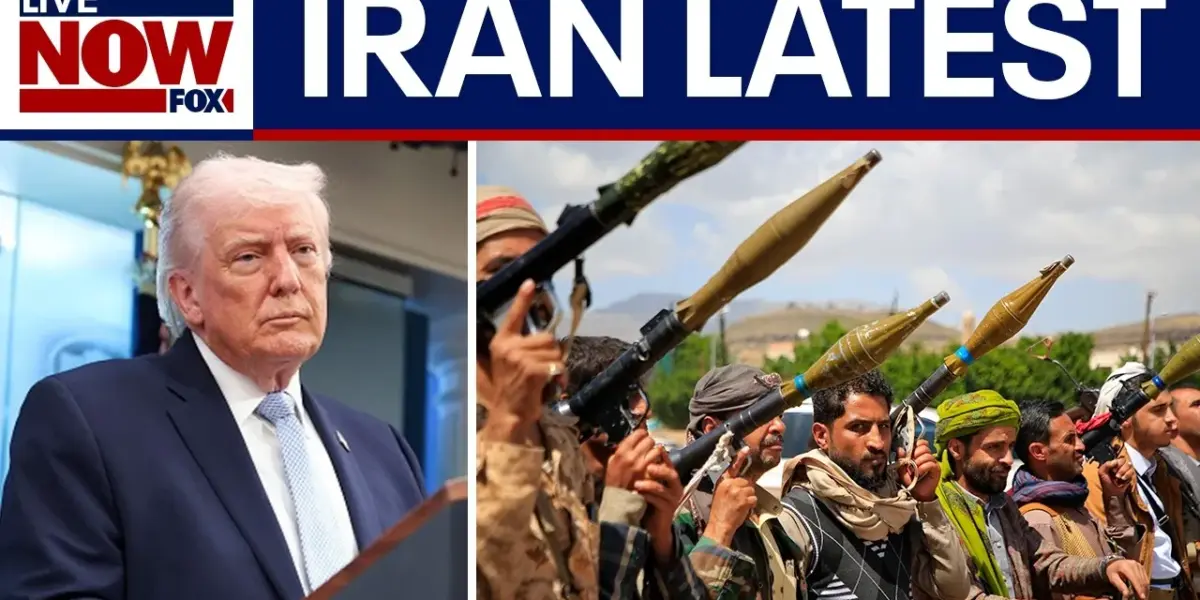
Ceasefire Deal Sparks Confusion Amid Renewed Attacks
A recent ceasefire agreement between President Trump and Iran, brokered two weeks ago, is facing immediate challenges as reports of ongoing attacks emerge from the Middle East. The deal, which hinges on Iran reopening the Strait of Hormuz and halting attacks, appears to be interpreted vastly differently by the involved parties, leading to confusion and continued conflict.
Social media posts from correspondents highlight the developing situation, with claims that attacks are still occurring in the region. This raises serious questions about the execution and effectiveness of the supposed ceasefire. The lack of transparency regarding the exact terms of the agreement further complicates the situation, leaving many uncertain about the path forward.
Differing Interpretations of the Agreement
Jonathan Shanzer, Executive Director at the Foundation for the Defense of Democracies, explained the wide gap in understanding the deal. “If you look at Donald Trump’s uh truth social post, if you look at the way that this is being described by the United States, the idea is for the Iranians to simply open the straight and then after that the US bombing stops,” Shanzer stated. This paints a picture of a straightforward transaction: open the waterway, and the bombing ceases.
However, the Iranian perspective, as described by Shanzer, is dramatically different. “If you look at how the Iranians are talking about this, they’re making it look like the US has capitulated on every one of their demands,” he said. According to Iran’s narrative, primary and secondary sanctions are to be lifted, the U.S. will withdraw all forces from the region, and even pay reparations for the war. Shanzer dismissed these claims as “not grounded in reality” and suggested they are an attempt to “gaslight the world” and project strength to their own population, especially after recent crackdowns.
Strait of Hormuz: A Key Flashpoint
The Strait of Hormuz, a vital waterway for global oil transport, has been a central point of contention and a major catalyst for reaching this ceasefire. Disruptions in the strait were a significant factor leading to the current negotiations. Early reports indicated a resumption of vessel movements following the announcement, suggesting a potential reopening.
Shanzer noted that the actual resumption of traffic depends on the “comfort level of the vessels transiting the strait and whether the regime is threatening.” He pointed out that past attacks, which saw around 16 vessels hit, created a climate of fear, leading insurance companies to refuse coverage. “Are people still going to the Islamic Republic and asking for, you know, permission in effect?” Shanzer questioned, highlighting the need to determine if traffic is truly free or still subject to Iranian influence.
Lebanon Conflict Continues Amidst Ceasefire Ambiguity
The situation in Lebanon remains volatile, with ongoing fighting despite the ceasefire agreement. The Israeli Defense Forces (IDF) announced a cessation of fire and operations against Iran, stating they are prepared to respond defensively to any violations. However, the IDF also conducted strikes targeting missile launch sites and launchers within Iran and continues targeted ground operations against Hezbollah in Lebanon.
A point of significant disagreement is whether Lebanon is included in the ceasefire. While several countries believe it is, Israel specifically states it has not been included. The IDF’s readiness to respond to violations underscores the complexity. Shanzer suggested that Israel was not directly involved in the U.S.-Iran discussions and declared its willingness to abide by the terms related to Iran, but not necessarily other aspects. He indicated that Israeli forces, including reservists stationed in South Lebanon, are unlikely to stand down given their operational readiness.
Upcoming Negotiations in Pakistan
Negotiations are scheduled to take place in Islamabad, Pakistan, by the end of the week. Representatives from both the U.S. and Iran are expected to attend, with Steven Wickoff anticipated to represent the U.S. and Iran’s Foreign Minister Abbas Araghchi potentially representing Iran. The role of Pakistan as a mediator is considered unusual, given its past associations with state sponsors of terrorism and proliferation issues.
Shanzer highlighted the significant challenges ahead, noting the vast difference in the parties’ stated outcomes. The U.S. views the deal as a simple transaction, while Iran claims a complete victory. “If they can arrive at some kind of a common narrative, I think that it would be nothing short of miraculous,” Shanzer commented. He added that even if a common narrative is not achieved, the focus will be on assessing which side is weaker. Shanzer concluded that the Islamic Republic is demonstrably weaker, despite its attempts to claim victory by simply surviving.
Broader Implications and Future Outlook
The ongoing conflict extends beyond direct U.S.-Iran tensions, involving proxies like the Houthis in Yemen and Hezbollah in Lebanon. Shanzer warned that the war in the region is likely to persist. “I think the the sense that all this is going to go away is just I think not realistic,” he said.
Israel’s objective of regime change in Iran remains a key driver, contrasting with the U.S. aim of weakening Iran’s military capabilities. The substantial arsenal of Hezbollah, estimated at 30,000 projectiles, poses a continued threat. The Israelis are expected to continue striking targets in southern Lebanon and Beirut to neutralize these threats. These actions are likely to continue regardless of the outcome of the U.S.-Iran talks in Pakistan.
The situation remains fluid, with ongoing covert activities by intelligence services and the potential for the Iranian people, still angered by past crackdowns, to re-emerge. The coming days and weeks will be crucial in determining the true impact and longevity of this fragile ceasefire.
Source: Attacks reported in Mid-East after ceasefire deal (YouTube)

Related Articles
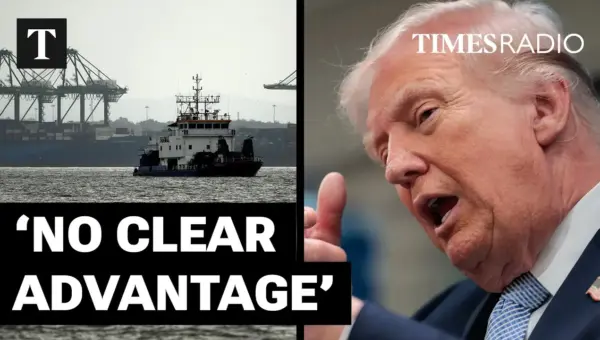
US Lacks Edge in Iran Talks Amid Fragile Ceasefire
A fragile two-week ceasefire between the U.S. and Iran offers a temporary reprieve, but key questions remain, particularly regarding passage through the Strait of Hormuz. Gulf states fear a resolution that doesn't address Iran's missile programs and nuclear ambitions. The U.S. may not hold a clear advantage in upcoming talks, as Iran has secured a seat at the table to discuss its own proposals.


China’s $75 Billion Iran Support Fuels Global Tensions
China's significant financial backing of Iran, estimated at $75 billion annually, is raising global concerns. This support, channeled through smaller banks to avoid U.S. sanctions, coincides with a temporary cease-fire in the vital Strait of Hormuz. The situation implicates U.S. investors indirectly funding Iran through their portfolios.


US Threatens Iran with Devastation Amidst Strategic Uncertainty
The United States has issued dire threats to Iran regarding the Strait of Hormuz, sparking debate over the strategy's effectiveness and its human cost. Experts question the logic of potentially devastating Iranian infrastructure, which could harm civilians more than the regime. The escalating tensions carry significant economic and geopolitical risks for global stability.