US Lacks Edge in Iran Talks Amid Fragile Ceasefire
A fragile two-week ceasefire between the U.S. and Iran offers a temporary reprieve, but key questions remain, particularly regarding passage through the Strait of Hormuz. Gulf states fear a resolution that doesn't address Iran's missile programs and nuclear ambitions. The U.S. may not hold a clear advantage in upcoming talks, as Iran has secured a seat at the table to discuss its own proposals.

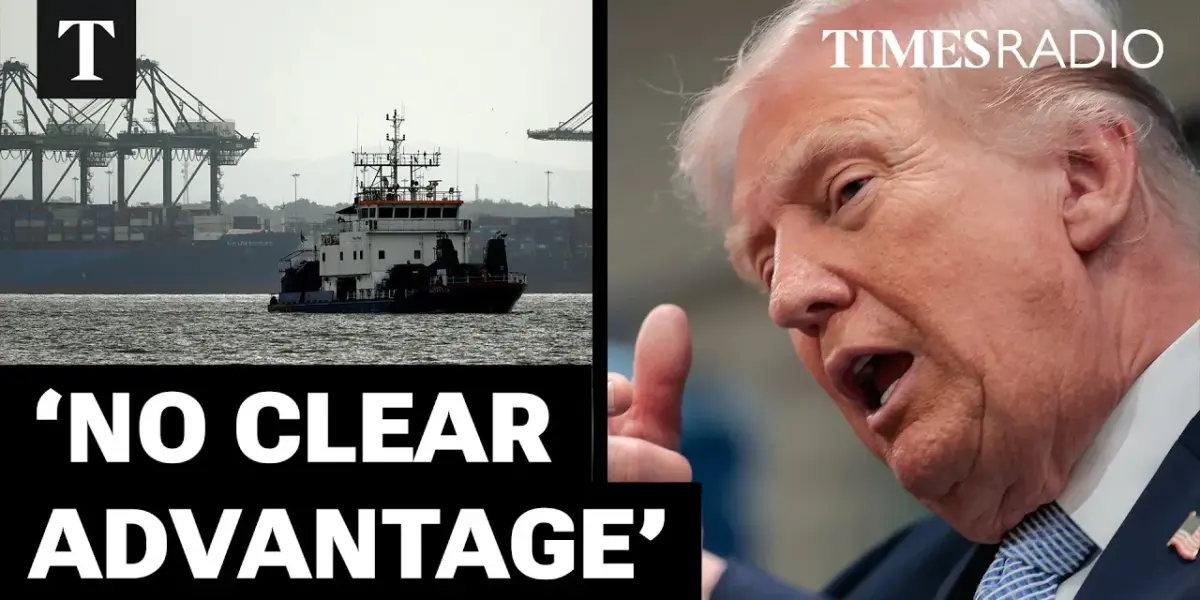
Fragile Truce Holds in Gulf as Key Strait Remains Uncertain
A two-week ceasefire between the U.S. and Iran has brought a welcome pause to a conflict that had worried the entire Gulf region. However, the truce is fragile, with major questions lingering over the free passage of ships through the vital Strait of Hormuz. This uncertainty means the U.S. does not clearly hold the upper hand in upcoming negotiations, according to Maha Al Dahan, Reuters’ Gulf Bureau Chief, speaking from Dubai.
Iran’s Past Actions Raise Regional Fears
The region had been bracing for potential escalation from Iran, especially after the country demonstrated its ability to inflict damage. In previous tit-for-tat exchanges, Iran successfully targeted energy facilities, including a move that crippled about 17% of Qatar’s liquefied natural gas (LNG) capacity. This history fueled fears that U.S. military actions against Iran’s infrastructure could lead to severe retaliatory strikes across the Gulf.
“There was great worry over the past few days of the kind of escalation um that the Iranians were capable of,” Al Dahan explained. The prospect of Iran retaliating against U.S. threats to its power and desalination plants had many in the Gulf on edge.
Strait of Hormuz: A Critical Chokepoint
A significant point of contention is the Strait of Hormuz, a narrow waterway through which about one-fifth of the world’s oil and gas supplies pass. Historically, passage through the strait was guaranteed. Now, Iran may seek to impose tolls on ships, a move that would be difficult for neighboring Gulf states to accept.
Reports suggest Iran might charge ships up to $2 million to pass. While Al Dahan noted that other international waterways do have tolls, this has never been the practice for Hormuz, especially not as a result of hostilities. The disruption to oil and gas supplies over the past month has been the most significant event to impact the energy industry in years.
OPEC’s Irrelevant Decisions Amidst Disruption
The severity of the situation was highlighted by a recent OPEC meeting. Typically, OPEC nations gather to decide on oil production levels. However, during this crisis, their decisions became largely irrelevant because oil shipments were being significantly disrupted. “Their decision really became kind of irrelevant in light of what was going on,” Al Dahan stated, describing it as a unique situation for the global economy.
U.S. Claims Victory, But Iran’s Negotiating Position Is Unclear
President Donald Trump has declared a “total and complete victory.” However, Al Dahan suggests that the U.S. does not necessarily have the upper hand in the upcoming negotiations. The fact that discussions will revolve around 10 points proposed by Iran, including sanctions relief and passage through Hormuz, indicates that Iran has brought key issues to the table.
“If the discussions are over the 10 points that we think the Iranians have proposed… then um this in no way makes it clear that the US currently has the upper hand,” she commented. The need to negotiate passage through Hormuz, which was previously guaranteed, highlights a shift in leverage.
Gulf States Seek More Than Just Peace
For Gulf nations like the UAE, Saudi Arabia, Oman, and Qatar, simply achieving a ceasefire is not enough. Their worst-case scenario involves direct Iranian attacks on their territory. They are looking for a resolution that addresses Iran’s missile program, its nuclear capabilities, and the security of the Strait of Hormuz.
“As for them a resolution to this conflict without addressing these main points isn’t really a resolution,” Al Dahan explained. These countries must coexist with a neighbor that has shown its hostile capabilities and its potential to disrupt daily life and economic progress in the Gulf. While views may differ slightly across the region, the consensus is that a lasting peace requires addressing these core security concerns.
Asymmetric Warfare Creates Complex Dynamics
The conflict highlights an asymmetry in the war. While the U.S. may have degraded Iran’s military through bombardment, Iran has found leverage by controlling the Strait of Hormuz. This ability to disrupt global energy supplies gives Iran significant bargaining power, even as it faces conventional military pressure. The upcoming negotiations will need to balance these competing dynamics to achieve a stable outcome for the region.
Source: US Has No Clear Advantage In Iran War Negotiations, Says Gulf Journalist (YouTube)

Related Articles

China’s $75 Billion Iran Support Fuels Global Tensions
China's significant financial backing of Iran, estimated at $75 billion annually, is raising global concerns. This support, channeled through smaller banks to avoid U.S. sanctions, coincides with a temporary cease-fire in the vital Strait of Hormuz. The situation implicates U.S. investors indirectly funding Iran through their portfolios.


US Threatens Iran with Devastation Amidst Strategic Uncertainty
The United States has issued dire threats to Iran regarding the Strait of Hormuz, sparking debate over the strategy's effectiveness and its human cost. Experts question the logic of potentially devastating Iranian infrastructure, which could harm civilians more than the regime. The escalating tensions carry significant economic and geopolitical risks for global stability.


Iran Faces US Deadline Amid Military Threats
Iran faces a critical deadline from the US, with threats of military action against civilian infrastructure if demands are not met. Meanwhile, a daring rescue of a downed airman highlights military capabilities amidst escalating regional tensions and global economic concerns.