Trump Blinks on Iran: US Public Opinion Forces Ceasefire
President Trump has agreed to a ceasefire with Iran, a move analysts attribute to strong domestic opposition and a desire to avoid further foreign conflicts. The decision reflects a broader reassessment of U.S. global strategy and the growing influence of China.

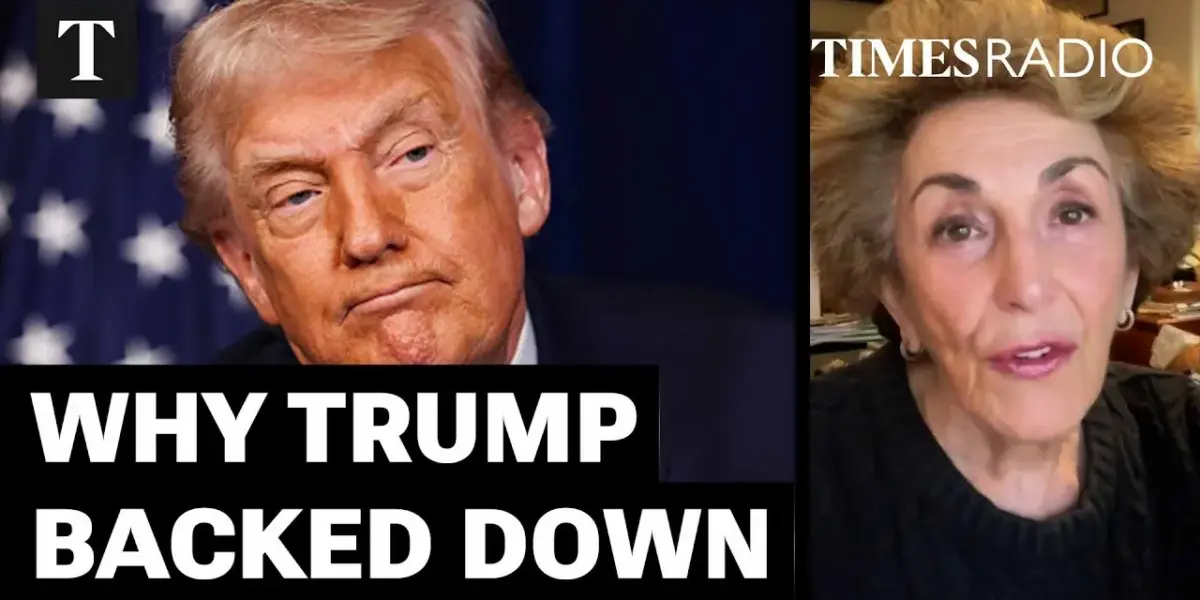
Trump Backs Down on Iran Amidst Domestic Pressure
In a dramatic shift, President Trump has agreed to a ceasefire with Iran, a move observers suggest was heavily influenced by mounting domestic pressure and a desire to avoid further foreign entanglements. The White House had to publicly deny reports of preparing to use nuclear weapons, highlighting the intense rhetoric leading up to the de-escalation.
This sudden halt in escalating tensions comes after a period of heightened military posturing. The decision to step back from the brink is seen by many as a concession, with some analysts pointing to a broader pattern of American foreign policy appearing to disintegrate rather than strengthen its global standing.
US Foreign Policy Under Scrutiny
The long-term strategy of the United States, particularly its focus on pivoting to East Asia and the South China Sea to contain China’s growing power, seems at odds with recent actions. Critics question the coherence of U.S. policy since January, suggesting it may be weakening America’s global influence.
From a British perspective, the situation evokes historical parallels. “You cannot help but smirk at seeing the Americans make exactly the same kind of mistakes as we made as a global hegemon,” one observer noted, adding that this is “how empires end – with humiliation and a small amount of laughter sometimes.”
Netanyahu’s Role and Trump’s Position
Reports suggest that Israeli Prime Minister Netanyahu may have played a role in persuading President Trump to engage with Iran, promising an easy regime collapse and swift military success. However, this has also led to criticism, with some calling Trump naive for believing such assurances.
“It’s quite clear that Trump is one of the losers in all this,” stated Edwina Currie, a commentator on the situation. “He blinked first.” This decision, she argues, was largely driven by American public opinion, which has been strongly against deeper involvement in foreign conflicts. Trump’s own MAGA supporters, who voted for him on a promise to avoid new wars, were reportedly dismayed by the deployment of troops and ships.
Public Opinion and Military Concerns Drive Shift
A key turning point appears to have been the rescue of downed airmen, which evoked memories of past humiliations, such as the 1979 Iran hostage crisis. The prospect of Americans being paraded as prisoners of war is deeply unpopular.
Furthermore, concerns within the military about the legality and morality of potential actions played a role. Reminders circulated on social media that soldiers are not obligated to obey illegal orders, including war crimes. This created a significant pushback against any aggressive military action.
Midterm Elections and Future Objectives
The perceived weakness in handling the Iran situation could impact President Trump’s political future. “Trump is one of the losers,” Currie predicted. “I think we’ll see that in the midterm elections in November. He’s going to lose control of Congress, and that will mean that he can’t pursue many of his other objectives as well.”
Global Power Dynamics Shift
The perceived unreliability of the U.S. under President Trump is prompting other nations to reassess their security and alliances. Countries like Germany and Japan are increasing their defense spending, and Japan has amended its constitution to allow for a more robust military.
Ukraine is seen as a potential winner in this new global landscape. Its advanced capabilities in defending against missiles with cheap drones position it as a technically superior force, likely to attract wealthy international allies.
China’s Growing Influence
The situation in the Middle East may also accelerate a shift away from fossil fuels and challenge the U.S. dollar’s dominance. China’s investment in green technology, electric vehicles, and new energy systems positions it as a major beneficiary.
“The biggest winner internationally is China,” one analyst concluded. The Associated Press reported that Chinese officials were instrumental in mediating the ceasefire. Chinese news agencies have highlighted President Xi Jinping’s calls for a new global energy system, signaling a potential challenge to the existing U.S.-led order.
Energy Policy Debates in the UK
Meanwhile, the UK faces its own energy policy challenges. A debate is ongoing regarding North Sea oil and gas licenses, with accusations that Chancellor Rachel Reeves is blocking significant investment. The government is reportedly considering scrapping a windfall tax on oil and gas companies to encourage investment.
Commentators argue that the UK is making Norway richer by importing North Sea oil instead of drilling its own. The discussion highlights a broader debate about energy independence, nuclear power, and the transition away from fossil fuels.
Nuclear Power as a Solution
The potential for nuclear power, particularly small modular reactors, is being discussed as a viable solution for the UK’s energy needs. France’s success in transitioning to nuclear power after the 1973 oil crisis is cited as a model.
However, critics argue that the government has been too slow to act on nuclear energy, partly due to spending priorities. The debate over North Sea drilling versus investing in renewable and nuclear energy continues, with implications for both national security and economic policy.
What’s Next?
As negotiations continue, the global implications of the Iran ceasefire and the shifting international alliances will become clearer. The U.S. faces the challenge of rebuilding trust with allies, while countries like China continue to expand their influence. In the UK, the energy policy debate is set to intensify, with potential decisions on North Sea drilling and nuclear investment looming.
Source: Why Pressure At Home Made Trump ‘Blink First’ With Iran Ceasefire | Edwina Currie (YouTube)

Related Articles


Vogue Stars Unite, Iran Ceasefire Sparks Global Debate
Anna Wintour and Meryl Streep share the cover of Vogue, sparking conversation about the magazine industry's future. Meanwhile, a last-minute ceasefire between the U.S. and Iran has averted immediate conflict, though questions linger about the deal's terms and lasting impact.
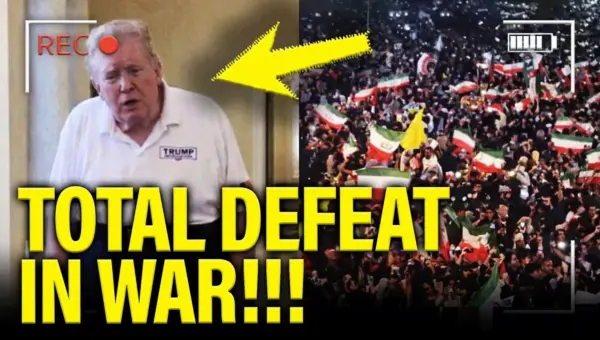
Trump’s Iran Deal Sparks Outrage: A Diplomatic Humiliation?
Reports suggest Donald Trump agreed to Iran's 10-point peace framework, sparking celebrations in Tehran and outrage in some U.S. circles. Critics call it a diplomatic surrender, while supporters defend it as a workable basis for negotiation. The deal's implications for regional stability and U.S. global standing are profound.
US Eyes Iran’s Oil: A Risky Ground Game
Discussing the idea of the U.S. taking Iran's oil, this analysis breaks down the geographic and political challenges. Iran's energy resources are concentrated in two key areas, each presenting unique difficulties for occupation. The potential for a humanitarian crisis and the lessons learned from past interventions in Iraq highlight the risks involved.