Settlers Exploit Gaza War to Seize West Bank Land
Israeli settlers are intensifying their land grab in the West Bank, exploiting the global focus on the Gaza war to establish new outposts and increase violence against Palestinians. This unchecked expansion, largely ignored by the international community, threatens the viability of a future Palestinian state and leaves residents living in fear.

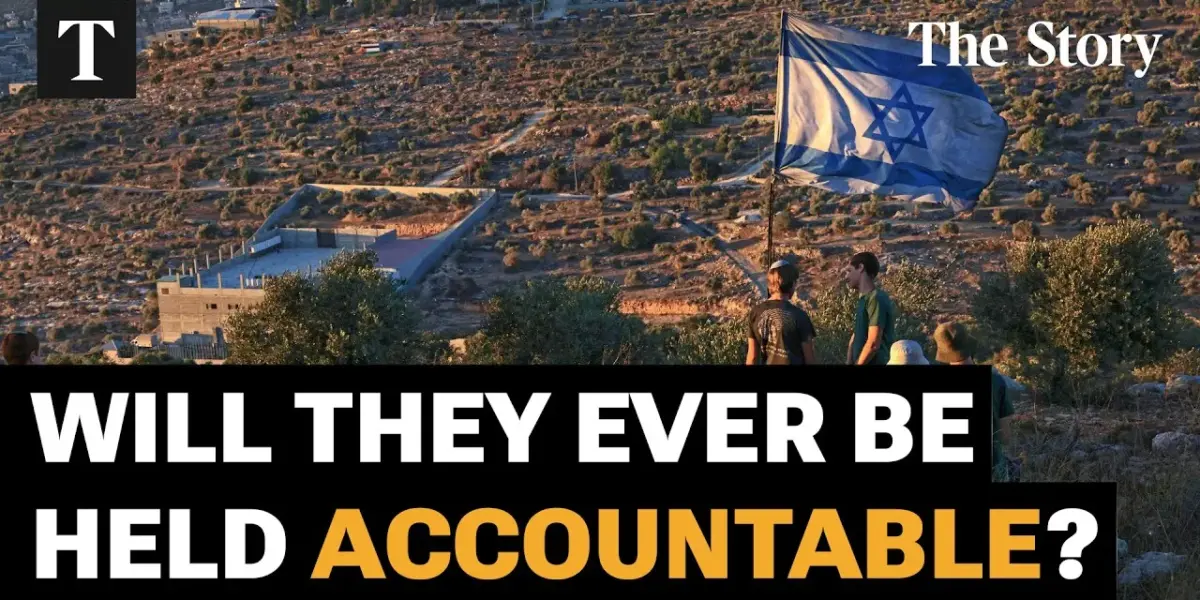
West Bank Land Grab Intensifies Amidst Global Distraction
While international attention is focused on conflicts in the east, a quiet but significant land grab is unfolding in the West Bank. Israeli settlers, leveraging the ongoing war in Gaza, are increasingly encroaching on Palestinian territories, establishing new outposts and escalating violence. This surge in activity, largely unnoticed by the global community, threatens to make a future Palestinian state impossible.
Life Under Siege in Palestinian Villages
Villages like Abu Falah, located north of Ramallah, find themselves on the front lines. Richard Spencer, Middle East correspondent for The Times, describes the area as a “beautiful hilly landscape” dotted with olive groves and overlooking valleys. However, this scenery is overshadowed by constant conflict. The West Bank, occupied by Israel since 1967, is divided into Areas A, B, and C. Area A is under Palestinian Authority control, while Area C is fully controlled by Israel, where most settlements are located. Area B, where Abu Falah lies, presents a complex security situation. While civilian matters are handled by the Palestinian Authority, Israeli forces manage security. This leaves Palestinian villages in Area B vulnerable, as Palestinian police cannot operate there, creating a “security no man’s land” where settlers can exert pressure.
Settler Violence Escalates
In recent months, violence by Israeli settlers has dramatically increased. In Abu Falah, residents reported that during an attack in the middle of the night, settlers were seen receiving weapons and opening fire on villagers. Two men were killed, shot in the head. Ibrahim, a local farmer who witnessed the attack, described the scene: “I saw someone fall to the ground and it was his cousin.” He expressed a deep sense of despair, questioning the future of his community under such constant threat. These attacks are not isolated incidents. In August, masked settlers charged down a hill towards a BBC film crew and villagers, destroying olive trees and setting fires. The BBC correspondent described it as a “completely unprovoked attack.”
A Pattern of Unchecked Expansion
These events are part of a wider pattern across the West Bank. According to a Palestinian Authority monitor, 89 settler outposts were established in the past year, with more appearing since the start of the Gaza war. This surge is seen by locals as a deliberate effort to annex West Bank territory and undermine the possibility of an independent Palestinian state. While international law considers settlements on occupied territory illegal, the expansion continues. The issue is not necessarily a massive increase in house building, but the establishment of outposts that make life untenable for Palestinian farmers. These outposts effectively seize control of large areas, forcing Palestinians to abandon their land due to the risk of attack or destruction of their crops.
Accountability and the IDF’s Role
The question of accountability for these actions is central. The Israeli Defense Forces (IDF) are the ultimate authority in the West Bank. While they state their aim is to keep the sides apart and have issued statements condemning settler violence, their actions are often seen as insufficient or even complicit by Palestinians. During the attack in Abu Falah, the IDF arrived and fired tear gas, some of which landed towards the Palestinian side. A third man died from a heart attack when a tear gas canister landed near him. Palestinians feel the IDF acts on behalf of the settlers, citing the lack of arrests for settler violence while Palestinian actions against settlers, such as throwing stones, can lead to severe consequences, including death. A 14-year-old Palestinian American was shot and killed by the IDF for allegedly throwing stones, and the IDF described him as a “terrorist.”
Shifting Political Landscape in Israel
The growth of illegal outposts and settler violence occurs within a shifting political context in Israel. While officially illegal, these outposts often become formalized over time. The lifting of U.S. sanctions on settler groups by the Trump administration removed a layer of international pressure. Furthermore, the events of October 7th have reduced sympathy for the Palestinian cause in Israel, even among the center-left. Opposition to a two-state solution is no longer seen as solely a right-wing position. Prime Minister Netanyahu has consistently stated he will not allow a Palestinian state, and his government’s actions, including the unveiling of a map of “Greater Israel” at the UN, suggest territorial ambitions. The focus for Netanyahu appears to be maintaining Israel’s “freedom of action” and resisting any measures that grant Palestinian autonomy.
A Future of Despair for Palestinians
For Palestinians in the West Bank, the situation is dire. They live in fear and a sense of despair, with little political recourse. The Palestinian Authority is largely defunct, and there are no signs of elections or a viable negotiating partner for Israelis. Many Palestinians feel hopeless about their future. Some, like a lawyer who returned from California to protect his village, are trying to exert political pressure from abroad. However, the broader trend suggests a hardening of narratives on both sides, with the two-state solution losing support and maximalist positions gaining ground. The international community’s response is hampered by a strong U.S. alignment with the current Israeli government, leaving Palestinians in the West Bank facing an uncertain and increasingly bleak future.
What’s Next?
With major conflicts ongoing and international focus elsewhere, the situation in the West Bank is likely to continue deteriorating. The lack of accountability for settler violence and the ongoing expansion of settlements raise serious questions about the viability of a future Palestinian state. The international community, particularly the United States, will play a crucial role in whether this trend can be altered. The hardening of political stances on both sides suggests that a peaceful resolution remains distant, leaving the future of the Palestinian people in the West Bank uncertain.
Source: The West Bank Land Grab No One’s Watching (YouTube)

Related Articles

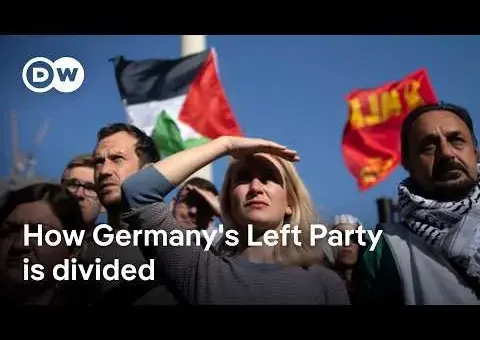
German Left Party Splits Over Anti-Zionism Debate
Germany's Left Party is grappling with deep internal divisions following a resolution rejecting "actual existing Zionism." The move has reignited debates about historical responsibility, anti-Semitism, and the party's identity. New, younger members are pushing foreign policy in new directions, clashing with older traditions.

Iran Halts Attacks as US, Israel Seek Iran Deal
Iran has halted aerial attacks following a U.S. decision to suspend its own strikes for two weeks, brokered by Pakistan. While Israel supports the move, the ceasefire excludes Lebanon. The U.S. aims for a long-term peace deal and to keep the Strait of Hormuz open.
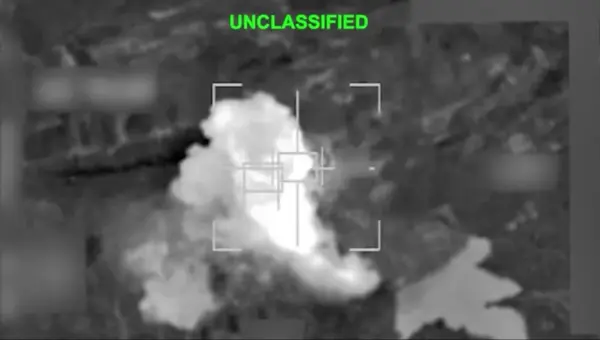
US Strikes Iran as Tensions Escalate to Breaking Point
US forces are conducting strikes in Iran just hours before a critical deadline set by President Trump. Iran has urged citizens to form human chains around infrastructure, raising concerns about civilian safety. Israel has also targeted Iranian weapon transport routes.