Middle East Ceasefire Shattered by Iranian Missile Barrage
A fragile Middle East ceasefire has been shattered by a barrage of Iranian missiles and drones just hours after its announcement. The UAE and Kuwait reported intercepting threats, while Israel confirmed suspending strikes but faces continued aggression. The Strait of Hormuz and actions in Lebanon remain critical flashpoints, complicating diplomatic efforts.

Middle East Ceasefire Shattered by Iranian Missile Barrage
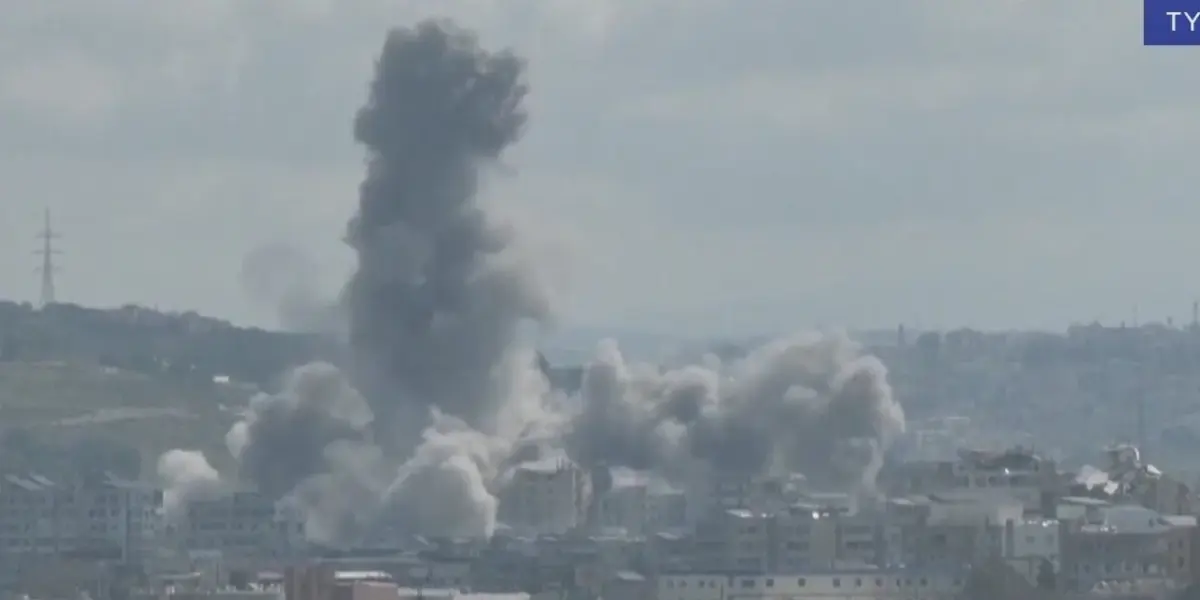
A fragile ceasefire deal in the Middle East has been severely tested just hours after its announcement. Sirens wailed overnight as Iran launched a barrage of missiles and drones across the region. The United Arab Emirates (UAE) reported actively firing its air defenses to intercept 17 missiles and 35 drones on a single day. Kuwait’s military also confirmed intercepting incoming threats from Iran. This shows the deep distrust that still exists, with fighting continuing in multiple directions despite efforts to calm the situation.
These events highlight the precarious nature of the current moment. The ceasefire, meant to de-escalate tensions, is facing immediate challenges. The Israeli side stated they have suspended all strikes originating from Iran and agreed to the ceasefire. Prime Minister Benjamin Netanyahu expressed his desire for the United States to negotiate further. He wants to ensure Iran no longer poses a nuclear, missile, or terror threat to America, Israel, Iran’s Arab neighbors, and the wider world.
However, Iran’s actions in the hours following the ceasefire announcement tell a different story. Video footage captured cluster warheads exploding in the skies above Tel Aviv. Similar alerts sounded in Jerusalem, Tel Aviv, and southern Israel early in the morning. This pattern of aggression extended across the Gulf states. Saudi Arabia, Kuwait, Bahrain, the UAE, and Qatar all reported receiving ordinances from Iran after the ceasefire was declared. This widespread firing demonstrates that the conflict is not contained.
Strait of Hormuz: A Critical Flashpoint
A major point of contention is the Strait of Hormuz, a vital waterway for global oil transport. The United States has stated that the ceasefire depends on the Strait remaining open for navigation. Iran, however, argues that the agreement hinges on all parties ceasing fire towards them. This creates a complex dynamic where conditional agreements are in place, yet actions on the ground contradict these terms. The control and security of this narrow waterway remain a key concern for international stability.
Lebanon: A Complicating Factor
The situation in Lebanon adds another layer of difficulty. Mediators like Pakistani Prime Minister Shehbaz Sharif have suggested that strikes on Lebanon are off the table. However, Israel maintains that this is not part of the deal. They have carried out strikes in Lebanon today, warning that these are just the beginning. Israel also plans to continue its ground operations in the north. This indicates a divergence in understanding the terms of the ceasefire, particularly concerning actions in Lebanon.
Diplomatic Efforts and Future Outlook
Despite the ongoing hostilities, diplomatic efforts are expected to continue. Pakistan’s Prime Minister has stated that Iran has reaffirmed its commitment to participate in negotiations. The international community is watching closely to see how these talks will unfold. Additionally, British Prime Minister Keir Starmer is expected to visit the Middle East today. The UK aims to lead an effort to ensure freedom of navigation through the Strait of Hormuz. These diplomatic maneuvers signal a continued push for de-escalation, even amidst the immediate challenges.
Global Impact
The continued hostilities and the fragility of the ceasefire have significant global implications. The Strait of Hormuz is a critical chokepoint for global energy supplies. Any disruption there can lead to sharp increases in oil prices, affecting economies worldwide. The broader conflict also risks drawing in other regional and global powers, potentially destabilizing an already volatile region. The threat of Iran’s nuclear ambitions, as highlighted by Netanyahu, remains a central concern for international security. The ongoing attacks demonstrate Iran’s willingness to continue its regional activities, challenging international norms and agreements.
Historical Context
The current tensions are rooted in decades of complex relationships and past conflicts in the Middle East. Iran’s regional influence and its pursuit of nuclear capabilities have been a source of concern for its neighbors and Western powers since the Iranian Revolution in 1979. Past agreements and attempts at de-escalation have often been undermined by continued proxy conflicts and direct confrontations. The Strait of Hormuz has historically been a point of tension, with various incidents impacting shipping and international trade. The current situation echoes past standoffs, where control of vital waterways and regional dominance have been central to conflicts.
Economic Leverage
Economic factors play a crucial role in this ongoing conflict. Sanctions imposed on Iran by various countries aim to curb its nuclear program and regional activities. However, Iran’s oil exports, though impacted, still provide it with significant revenue. The control of energy routes, like the Strait of Hormuz, gives Iran considerable economic leverage. The willingness of countries like the UAE and Saudi Arabia to defend their airspace and interests also reflects their economic stakes in regional stability and secure trade routes. The global reliance on Middle Eastern oil makes economic stability in the region a worldwide concern.
Future Scenarios
Several future scenarios are possible. One is a complete collapse of the ceasefire, leading to wider regional conflict. This could involve direct confrontation between Iran and its neighbors, potentially drawing in international forces. Another scenario is a prolonged period of low-level conflict, characterized by continued missile exchanges and skirmishes, similar to what is being witnessed now. A third, more optimistic scenario, involves successful diplomatic negotiations that lead to a more lasting de-escalation and a stable resolution of the issues surrounding Iran’s nuclear program and regional activities. However, given the current distrust and ongoing attacks, the path to lasting peace remains challenging.
Source: Middle East attacks continue hours after ceasefire deal | Morning in America (YouTube)

Related Articles

US and Iran Agree to Two-Week Ceasefire Amid Tensions
The United States and Iran have agreed to a two-week ceasefire, temporarily halting nearly 40 days of conflict. The deal, brokered by Pakistani mediators, hinges on the reopening of the Strait of Hormuz, though significant sticking points remain regarding Iran's nuclear program and the terms of a potential permanent agreement. International relief is palpable, but analysts warn of the challenges ahead in achieving lasting peace.

Oil Prices Plummet as Iran Ceasefire Ends Strait of Hormuz Standoff
A last-minute ceasefire between the U.S. and Iran has averted a crisis in the Strait of Hormuz, sending oil prices tumbling and stocks soaring. The deal brings relief to global energy markets, though verification of Iran's compliance and the role of other nations remain key concerns.


Vogue Stars Unite, Iran Ceasefire Sparks Global Debate
Anna Wintour and Meryl Streep share the cover of Vogue, sparking conversation about the magazine industry's future. Meanwhile, a last-minute ceasefire between the U.S. and Iran has averted immediate conflict, though questions linger about the deal's terms and lasting impact.